Urology & Kidney · URINARY

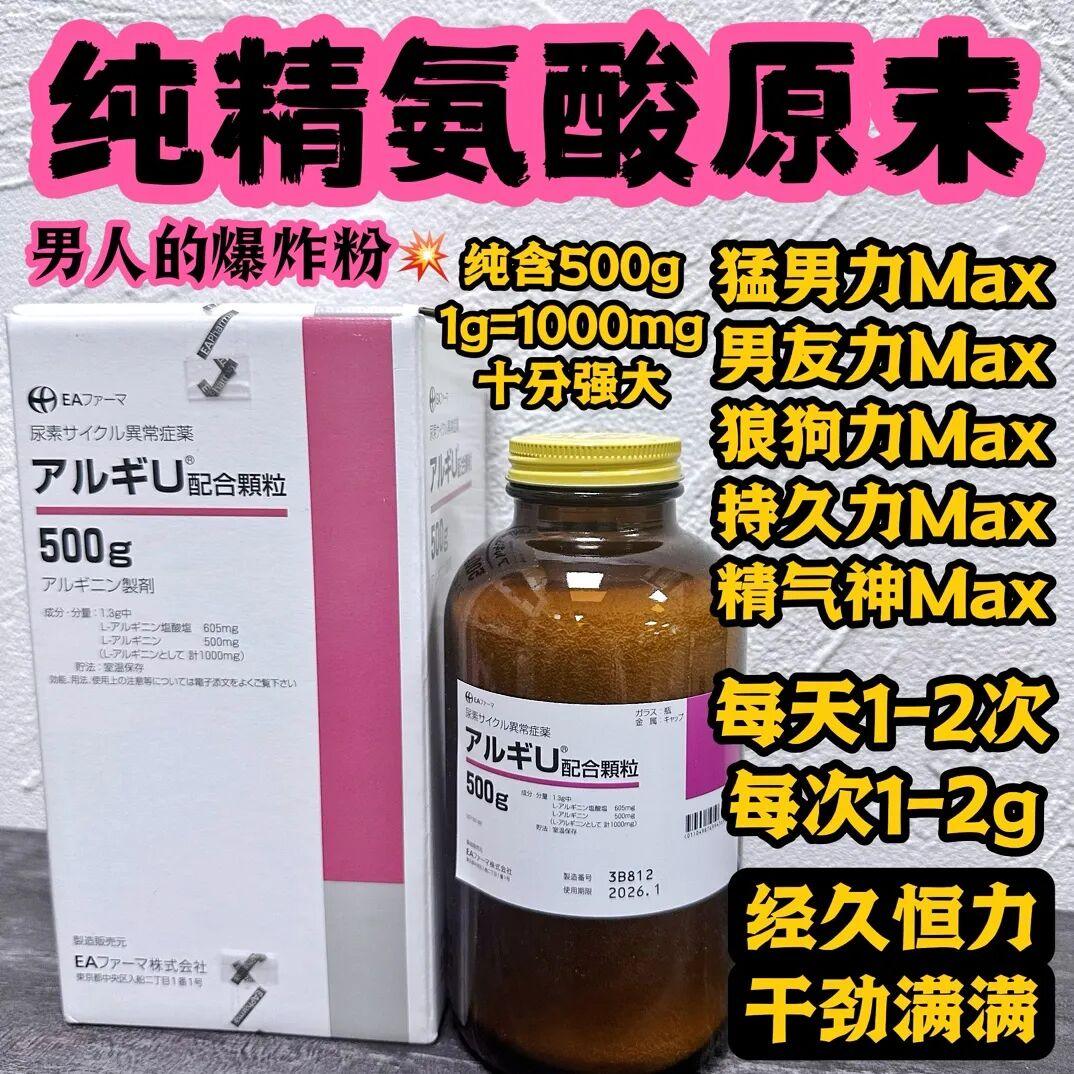
Pure arginine raw powder

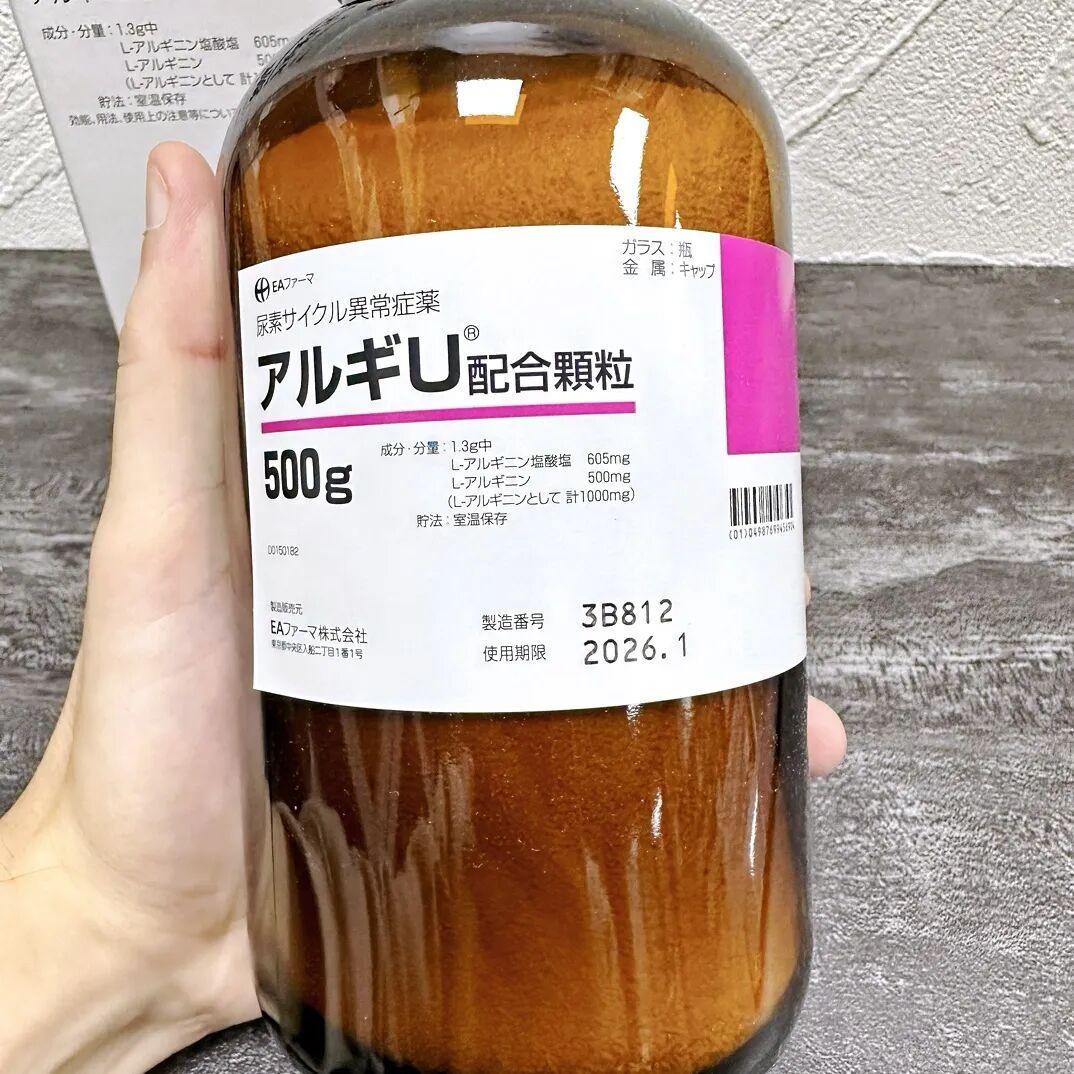
日本語原題:アルギU®配合顆粒

Published2025-03-08 07:51 FormGranule Content9 sections / 2 images Japanese nameアルギU®配合顆粒
Ingredients / strength:
Active ingredients: In 1.3g of this drug, L-arginine hydrochloride 605mg, L-arginine 500mg (total L-arginine total 1000mg). Additives: crystalline cellulose, calcium carmerose, hydroxypropyl cellulose.
English translation of the Japanese package insert is the main text; the Japanese original is shown alongside for verification. Use the language menu (top right) to read the page in another language. This site is for reference only — consult a doctor or pharmacist before use.
Section 1 · Feature description
English translation
In the urea cycle, four amino acids—ornithine, citrulline, argininosuccinic acid, and arginine—use enzymes to form the urea cycle. For urea cycle disorders except arginase deficiency, supplementing the substrate arginine externally activates residual enzymes, facilitating the smooth circulation of partially deficient urea cycles, promoting nitrogen excretion through urea, citrulline, and argininosuccinic acid with high urinary excretion, and reducing blood ammonia.
Section 2 · Specifications
English translation
500g (glass jar).
Section 3 · Characteristics
English translation
It is white, odorless, and has a slightly distinctive taste.
Section 4 · Ingredient Description
English translation
Active ingredients: In 1.3g of this drug, L-arginine hydrochloride 605mg, L-arginine 500mg (total L-arginine total 1000mg). Additives: crystalline cellulose, calcium carmerose, hydroxypropyl cellulose.
Section 5 · Functions and indications
English translation
Suppression of Increase in Blood Ammonia Concentration in the Diseases Listed Below Congenital urea cycle disorders [carbamyl phosphate synthase deficiency, ornithine transcarbamilase deficiency, argininosesuccinate synthase deficiency (citrullinemia), argininosuccinate enzyme deficiency (argininosuccinateuria)] or lysinuria protein intolerance (except for patients with strong inhibition of arginine absorption).
Section 6 · Usage and dosage
English translation
Typically, the daily dose is 0.15~0.50g per kg of body weight (0.12~0.38g as L-arginine) divided into 3~6 doses and administered orally. Adjust appropriately according to age and symptoms. Generally, start with a small amount and gradually increase until sufficient effect is achieved, taking into account blood ammonia levels and subjective symptoms. Additionally, administration should be administered under adequate nutritional management, including dietary management (low-protein diet) and essential amino acid supplementation.
Section 7 · Important notes
English translation
1. Pregnant women Administer to pregnant women or women who may be pregnant only when the therapeutic benefits outweigh the risks. 2. Nursing Women Consider the therapeutic benefits and the benefits of breastfeeding and consider whether to continue or discontinue breastfeeding.
Section 8 · Side effects
English translation
Digestive system: vomiting, diarrhea, nausea/nausea. Skin: itching. Liver: Abnormal liver function (elevated AST, elevated ALT, elevated AL-P). Psycho-neurological system: drowsiness.
Section 9 · Taboo
English translation
1. Patients with arginase deficiency [worsening argininemia. ] 2. Patients with lysinuriic protein intolerance and severe inhibition of arginine absorption [Diarrhea may occur with administration of this drug. ]

Source images

2 images

Need help sourcing Japanese medicines or OEM production?

💬