Urology & Kidney · URINARY

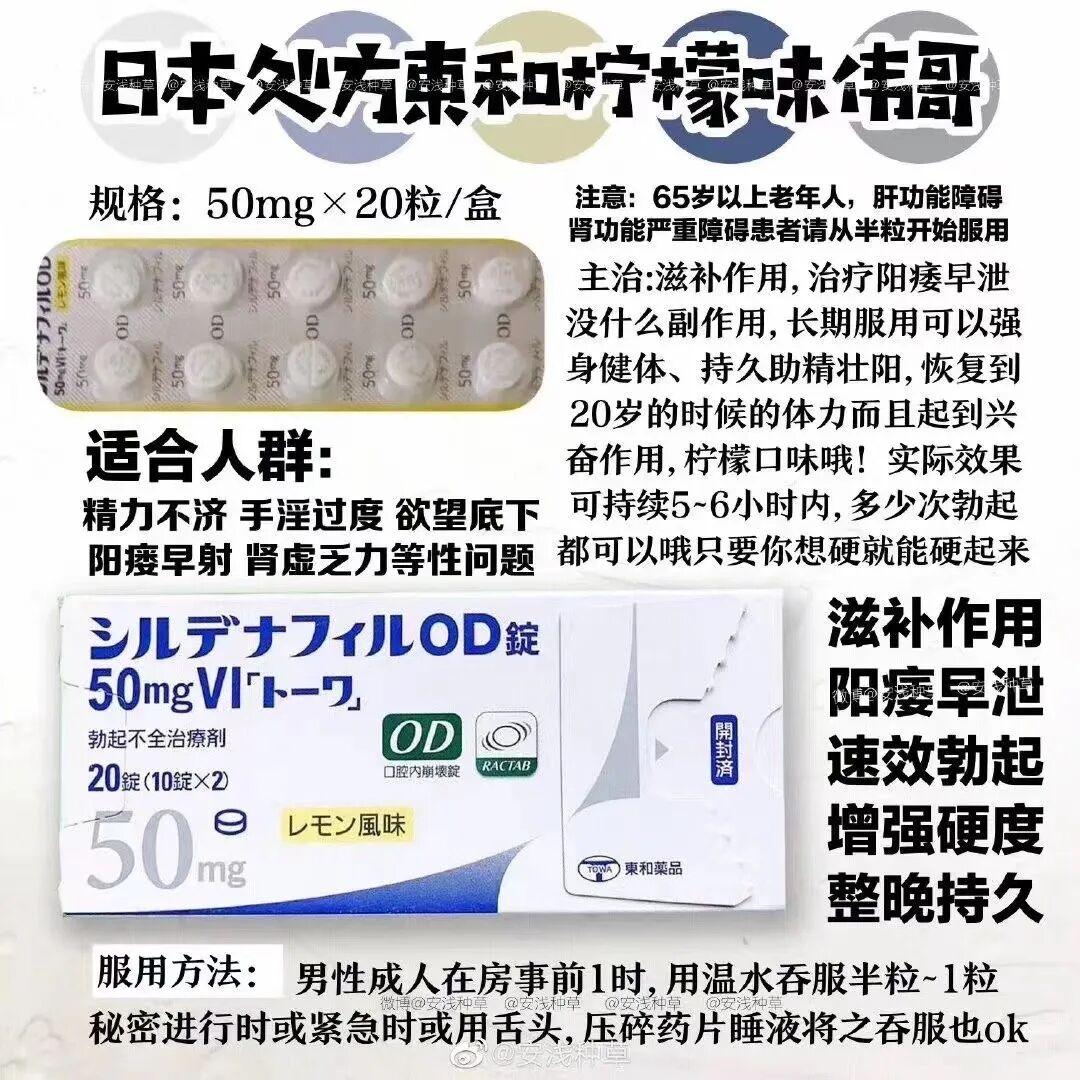
Lemon Storm, one tablet activates—Donghe Lemon Viagra

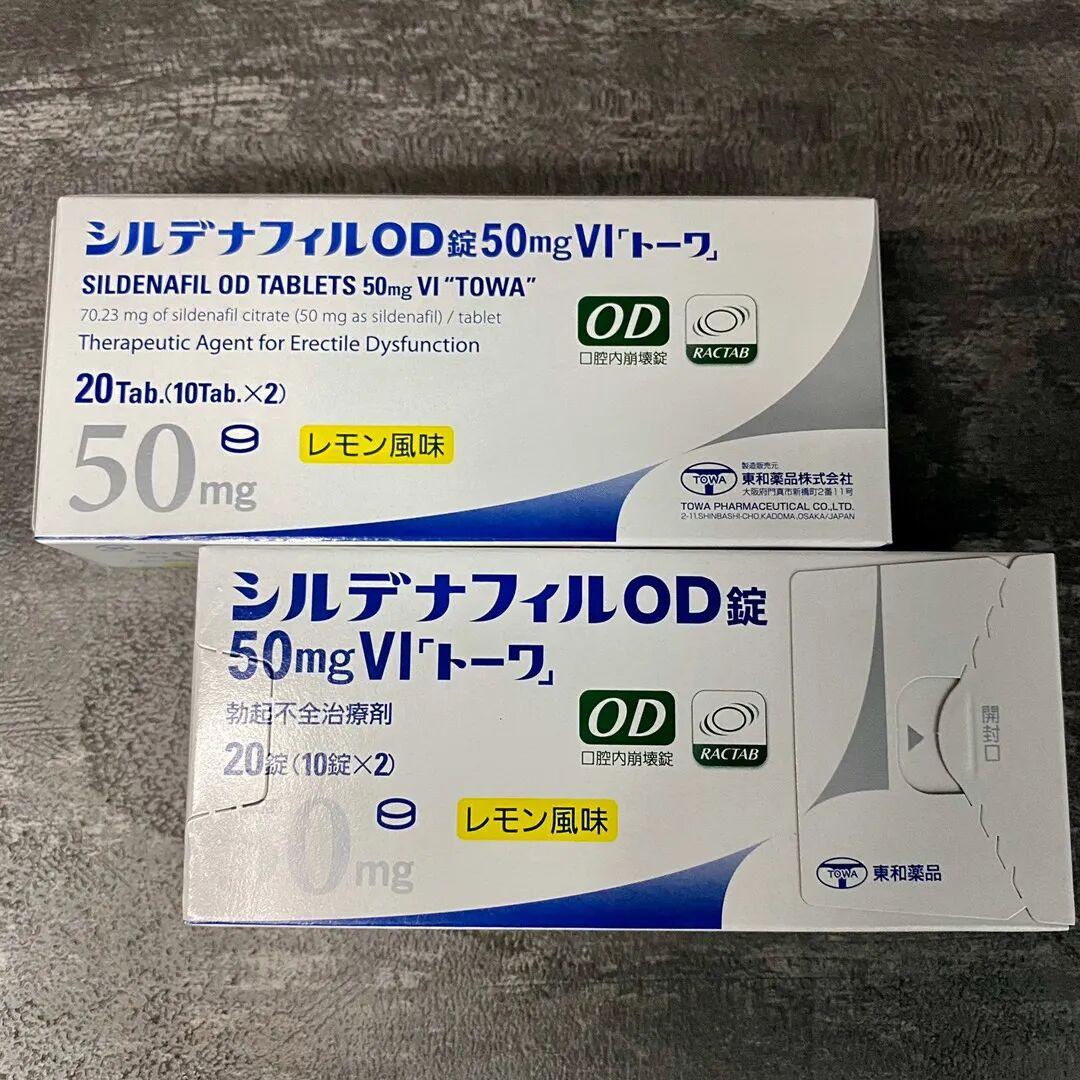
日本語原題:シルデナフィルOD錠50mgVl「トーワ」

Published2025-03-10 07:43 Makerトーワ FormTablet Content9 sections / 2 images Japanese nameシルデナフィルOD錠50mgVl「トーワ」
Ingredients / strength:
Active ingredient: 70.23mg sildenafil citrate per tablet (50mg as sildenafil). Additives: D-mannitol, titanium dioxide, calcium carmerose, hydroxypropyl cellulose, talc, L-menthol, light anhydrous silica, magnesium stearate, aspartame (L-phenylalanine compound), fragrance, and 3 other ingredients.
English translation of the Japanese package insert is the main text; the Japanese original is shown alongside for verification. Use the language menu (top right) to read the page in another language. This site is for reference only — consult a doctor or pharmacist before use.
Section 1 · Feature description
English translation
Sildenafil selectively inhibits PDE5 in the corpora cavernosa penile, suppressing cGMP degradation produced by NO stimulation from nerves and endothelial cells in the corpus cavernosum, thereby relaxing the smooth muscle of the corpora cavernosa penile, increasing blood flow, and enabling erection and maintenance of the penis.
Section 2 · Specifications
English translation
20 tablets [10 tablets×2:PTP] (coffee flavor, lemon flavor)
Section 3 · Characteristics
English translation
Oral disintegration tablets with white split lines.
Section 4 · Ingredient Description
English translation
Active ingredient: 70.23mg sildenafil citrate per tablet (50mg as sildenafil). Additives: D-mannitol, titanium dioxide, calcium carmerose, hydroxypropyl cellulose, talc, L-menthol, light anhydrous silica, magnesium stearate, aspartame (L-phenylalanine compound), fragrance, and 3 other ingredients.
Section 5 · Functions and indications
English translation
Erectile dysfunction (patients who cannot maintain and maintain an erection sufficient for satisfactory sexual activity).
Section 6 · Usage and dosage
English translation
Typically, adults are given sildenafil orally once daily at doses of 25mg~50mg about one hour before sexual activity. For elderly patients (65 years and older), patients with liver impairment, and patients with severe renal impairment (Ccr<30 mL/min), plasma concentrations of this drug are observed to increase, so the starting dose should be 25 mg. Dosing should be done once a day, with an interval of at least 24 hours.
Section 7 · Important notes
English translation
1. Since sexual activity carries risks to the heart, pay attention to your cardiovascular condition before starting treatment for erectile dysfunction. Prolonged erections lasting 2 to 4 hours or more or continuous erections (painful erections lasting more than 6 hours) have been reported as a few post-marketing adverse events abroad. If immediate treatment for priapism is not performed promptly, it can damage the penile tissue or permanently impair erectile function. Therefore, if an erection persists for more than 4 hours, immediately consult a doctor. 3. Clinical trials have confirmed dizziness and visual impairment, so caution should be exercised when driving a vehicle or operating machinery. 4. If a sudden decrease in vision or sudden vision loss occurs after administration with this drug, instruct the patient to stop taking this drug and promptly consult an ophthalmology specialist.
Section 8 · Side effects
English translation
Circulatory system: vasodilation (hot flashes, flushing) (5.78%), chest pain, palpitations, tachycardia, hypertension, arrhythmia, Complete right leg block, peripheral edema, myocardial infarction (note), hypotension, and syncope occurred. Mental and nervous system: headache (3.87%), dizziness, drowsiness, coma, abnormal sensations, lower limb spasms, memory decline, excitement, increased tension, confusion, abnormal thinking, neuritis, nervousness, neurosis, anxiety, insomnia, lethargy. Liver: increased AST, increased ALT, increased LAP, increased LDH, increased blood triglycerides, increased γ-GTP, increased serum phospholipids, increased blood amylase, decreased serum albumin, increased blood bilirubin, decreased total protein. Digestive system: nausea, gastrointestinal disorders, dry mouth, indigestion, abdominal pain, sunken gizzards, gastritis, stomach discomfort, diarrhea, dry lips, tongue disorders, white of the tongue, abdominal bloating, constipation, vomiting, swallowing difficulties. Urinary and reproductive organs: penile pain, ejaculation disorders, prolonged morning standing, persistent semi-erection, prolonged erection, priapism, urinary tract infection, prostate disease. Respiratory: rhinitis, respiratory disorders, nasal congestion, pharyngitis, asthma, nosebleeds, airway infections, sinusitis. Muscle and skeletal system: joint pain, muscle pain, bone pain, back pain. Skin: rash, pruritus, eyelid pruritus, alopecia, male hirsutism, sweating, dry skin, skin disorders, erythema. Blood: decreased hematocrit, increased hematocrit, decreased hemoglobin, lymphopenia, lymphocytosis, eosinophilia, polycythemia, polycythemia, leukocytosis. Sensory organs: eye redness, conjunctivitis, color vision syndrome, visual impairment, dry eyes, eye pain, refractive disorders, photopsia, taste disturbances, loss of taste, abnormal tearing, photophobia, blurred vision, decreased vision, retinal hemorrhage, retinal venous occlusion, sudden hearing loss. Others: increased CK, pain, heat sensation, increased BUN, influenza syndrome, lymphadenopathy, decreased blood sodium, increased blood phosphorus, weight gain, increased blood uric acid, positive urobilinogen, positive urine glucose, positive urinary red blood cells, positive urinary protein, fatigue, weakness, hypersensitivity reactions, infections.
Section 9 · Taboo
English translation
1. Patients with a history of hypersensitivity to any component of this drug. 2. Patients receiving nitric acid agents or nitric oxide (NO) donors (nitroglycerin, amyl nitrite, isosorbide nitrate, nicolangil, etc.). 3. Patients with cardiovascular disorders or other conditions considered inappropriate for sexual activity. 4. Patients with severe liver dysfunction. 5. Patients with hypotension (blood pressure < 90/50 mmHg) or hypertension not managed by treatment (resting systolic blood pressure > 170 mmHg or resting diastolic blood pressure > 100 mmHg). 6. Patients with a history of cerebral infarction, cerebral hemorrhage, or myocardial infarction within the last 6 months. 7. Patients with retinitis pigmentosa [A small number of patients with retinitis pigmentosa have genetic disorders of phosphodiesterase. ]。 8. Patients receiving amiodarone hydrochloride (oral). 9. Patients receiving soluble guanylate cyclase (sGC) agonists (liociglat).

Source images

2 images

Need help sourcing Japanese medicines or OEM production?

💬