How can you handle unintentional awkwardness? Japan Urinary Incontinence Original Research Agent (Polakis Tablets 3) to solve the problem, refreshing comfort and dryness after a long time!!
日本語原題:ポラキス錠3
Active ingredient: 1 tablet Chung Nichi Bureau oxybutynine hydrochloride 3 mg. Additives: lactose hydrate, crystalline cellulose, magnesium stearate.
Source images
2 imagesThe artwork keeps its original Japanese/Chinese lettering. Open “Text in this image” under a picture to read what it says in your language (machine-read, may contain errors).
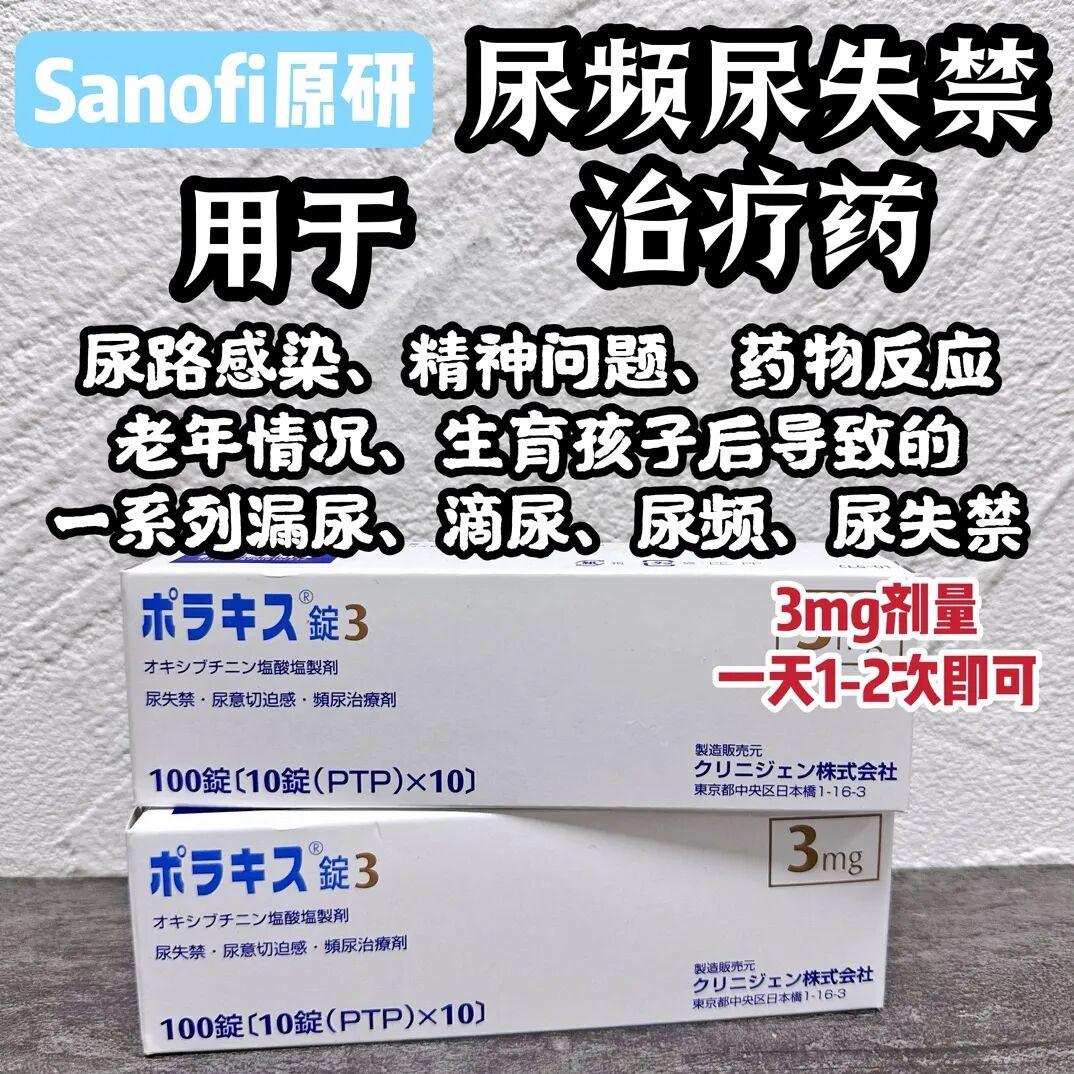
Text in this image machine-read · may contain errors
Frequent and incontinent urination Sanofi Original Research Urinary tract infections, mental health issues, drug reactions Causes caused by elderly conditions and childbirth A series of urinary leakage, dribbling, frequent urination, and urinary incontinence - Borakis Tablets 3 1-2 times a day is sufficient. Oxyputinine hydrochloride preparations Urinary incontinence · Urgency to urinate · Urine treatment Clinicigen Co., Ltd. 100 ingots [10 ingots (PTP)×10] 1-16-3 Nihonbashi, Chuo-ku, Tokyo Borakis Tablets 3 Urinary Incontinence, Urgent, Urgent, and Frequent Urination Treatment 1-16-3 Nihon Momo, Chuo-ku, Tokyo 100 ingots [10(PTP)×10
尿频尿失禁 Sanofi原研 尿路感染、精神问题、药物反应 老年情况、生育孩子后导致的 一系列漏尿、滴尿、尿频、尿失禁 ーボラキス錠 3 一天1-2次即可 オキシプチニン塩酸塩製剤 尿失禁·尿意切迫感·尿治療 クリニジェン株式会社 100锭【10锭(PTP)×10】 东京都中央区日本桥1-16-3 ボラキス錠 3 尿失禁·尿意切追感·频尿治療劑 東京都中央区日本桃1-16-3 100锭【10(PTP)×10
Frequent and incontinent urination Sanofi Original Research Urinary tract infections, mental health issues, drug reactions Causes caused by elderly conditions and childbirth A series of urin…
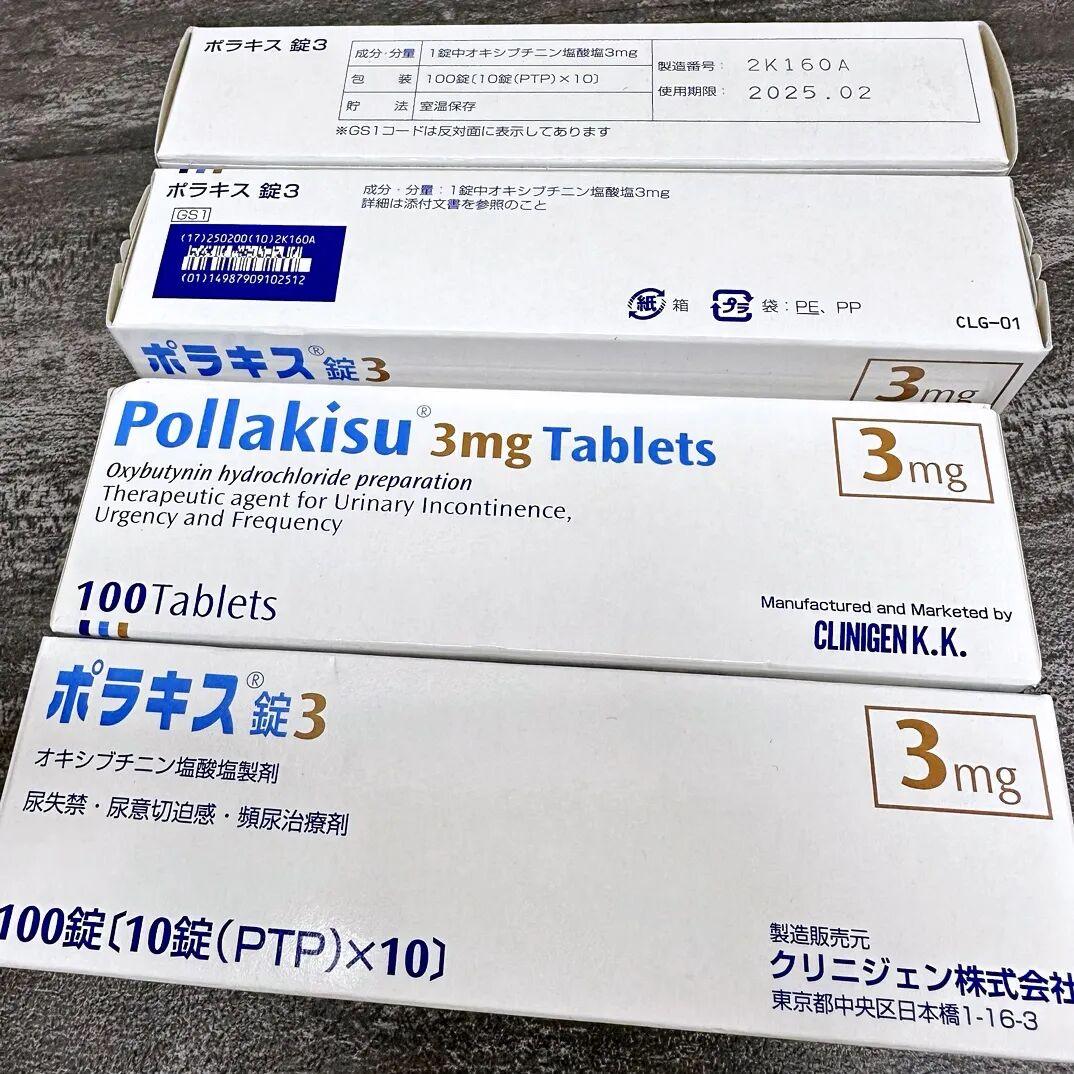
Text in this image machine-read · may contain errors
Ingredient No. 1: Nishiki Central Oxyptinine Selectate Salt 3mg 2K160A 100 ingots (10 ingots (PTP)×10) Expiration Date: * GS 1 code is displayed on the opposite side The ingredients are divided into 1 tablet to enrich 3 mB of triacids Borakis Tablets 3 (17)250200(10)2K160A (01)14987909102512 Bags: PE, PP CLG-01 Pollakisu3mg Tablets Oxybutynin hydrochloride preparation Therapeutic agent for Urinary Incontinence, Urgency and Frequency 100Tablets Manufactured and Marketed by CLINIGEN K.K. Only in diacid preparations Oxybutynine hydrochloride formulations 100 ingots [10 ingots (PTP)×10] Clinician Co., Ltd.: 1-16-3 Nihonbashi, Chuo-ku, Tokyo
成分分第 1 錦中オキシプチニン選酸塩 3mg 2K160A 100锭(10锭(PTP)×10) 使用期限: ※ GS 1 コードは反対面に表示してあります 成分分置1锭中才丰之于三酸3mB ボラキス錠 3 (17)250200(10)2K160A (01)14987909102512 袋:PE、PP CLG-01 Pollakisu3mg Tablets Oxybutynin hydrochloride preparation Therapeutic agent for Urinary Incontinence, Urgency and Frequency 100Tablets Manufactured and Marketed by CLINIGEN K.K. 才于二酸製剂 オキシブチニン塩酸塩製剤 100锭【10锭(PTP)×10】 クリニジェン株式会 : 東京都中央区日本橋1-16-3
Ingredient No. 1: Nishiki Central Oxyptinine Selectate Salt 3mg 2K160A 100 ingots (10 ingots (PTP)×10) Expiration Date: * GS 1 code is displayed on the opposite side The ingredients are divi…