Eplerenone
日本語原題:エプレレノン錠50mg「杏林」
Active ingredient: (per tablet) Nichi-bak Eprerenone 50mg. Additives: lactose hydrate, crystalline cellulose, sodium crosal melose, hybromellose, sodium lauryl sulfate, talc, magnesium stearate, titanium oxide, macrogol 6000, ferric trioxide, carnauba wax.
Source images
4 imagesThe artwork keeps its original Japanese/Chinese lettering. Open “Text in this image” under a picture to read what it says in your language (machine-read, may contain errors).
Text in this image machine-read · may contain errors
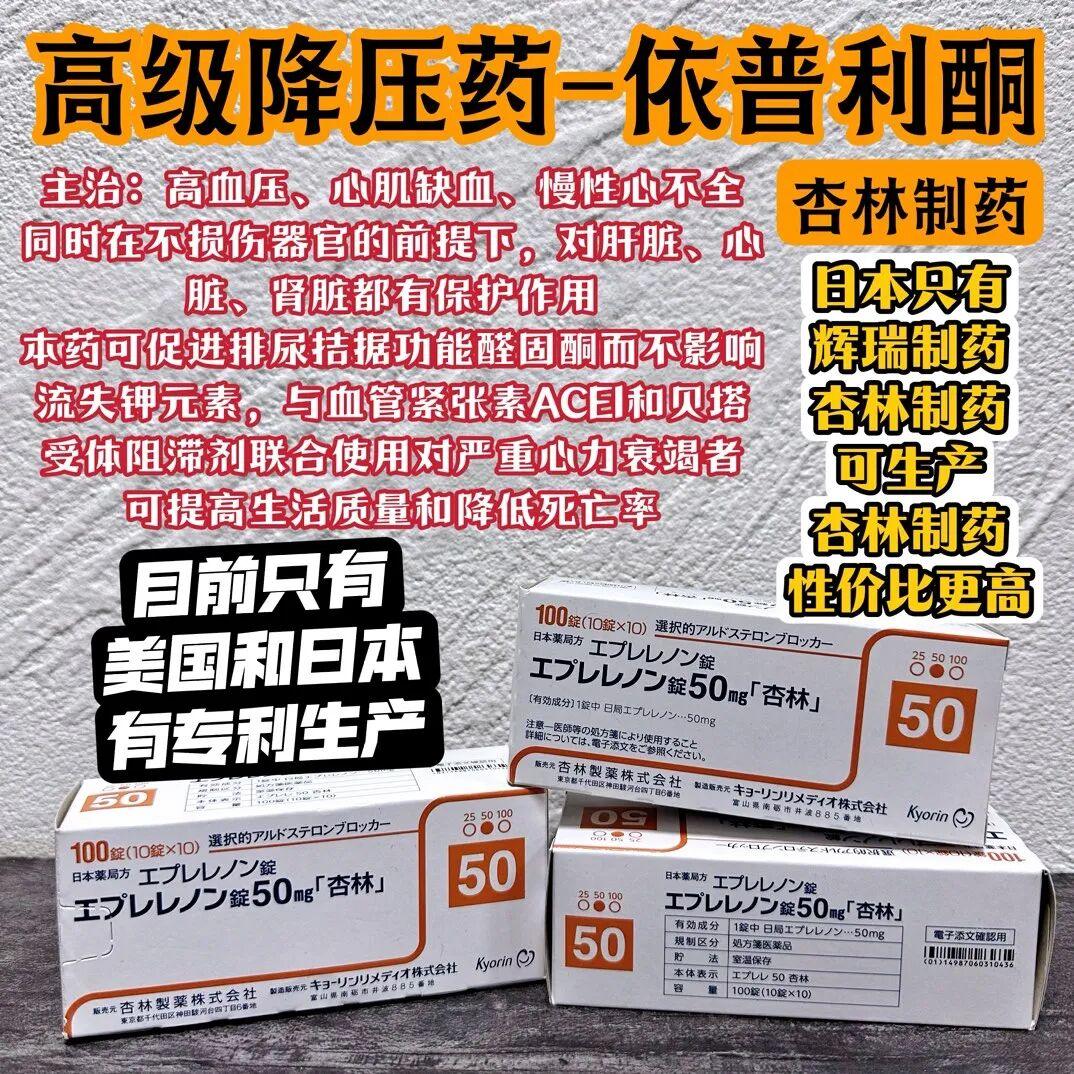
Advanced antihypertensive drug - Eplerenone Indications: hypertension, myocardial ischemia, chronic heart failure Xinglin Pharmaceutical At the same time, without damaging organs, it can affect the liver, heart, Japan only has Both organs and kidneys have protective effects Pfizer This drug can promote urination without affecting functional aldosterone Potassium loss, angiotensin, ACEI, and beta Combination use of receptor band-blocking agents for patients with severe heart failure producible Can improve quality of life and reduce mortality rates A month ago, only Better value for money 100 (1010) Avoid capture Japanese Vegetable Bureau Square Ingots The United States and Japan Eprerenone Tablets (Contains Ingredients) 1 Lingzhong Nichi Factory V50mg Patented production Kyorin Selective Aldosterone Blocker Japanese Pharmacopoeia Eplerenone Tablets Eplerenone Tablets 50 Horin 0 Eprelenone Tablets 50 Akira 'Honin' Regulatory Distinctions Store at room temperature This Release Display Epre 50 yen Forest Starting from 100 (10 rotations× 10)
高级降压药一依普利酮 主治:高血压、心肌缺血、慢性心不全 杏林制药 同时在不损伤器官的前提下,对肝脏、心 日本只有 脏、肾脏都有保护作用 辉瑞制药 本药可促进排尿技据功能醛固酮而不影响 流失钾元素,与血管紧张素ACEI和贝塔 受体阻带剂联合使用对严重心力衰竭者 可生产 可提高生活质量和降低死它率 月前只有 性价比更高 100(1010)避捉的 日本菜局方工锭 美国和日本 エプレレノン錠 (有劾成分)1菱中日局工V50mg 有专利生产 Kyorin 選択的アルドステロンプロッカー 日本薬局方エプレレノン錠 エプレレノン錠 50 否林 0 エプレレノン錠 50 昭「否林」 规制区分 室温保存 本発表示エプレし 50 円林 100起(10旋×10)
Advanced antihypertensive drug - Eplerenone Indications: hypertension, myocardial ischemia, chronic heart failure Xinglin Pharmaceutical At the same time, without damaging organs, it can aff…
Text in this image machine-read · may contain errors
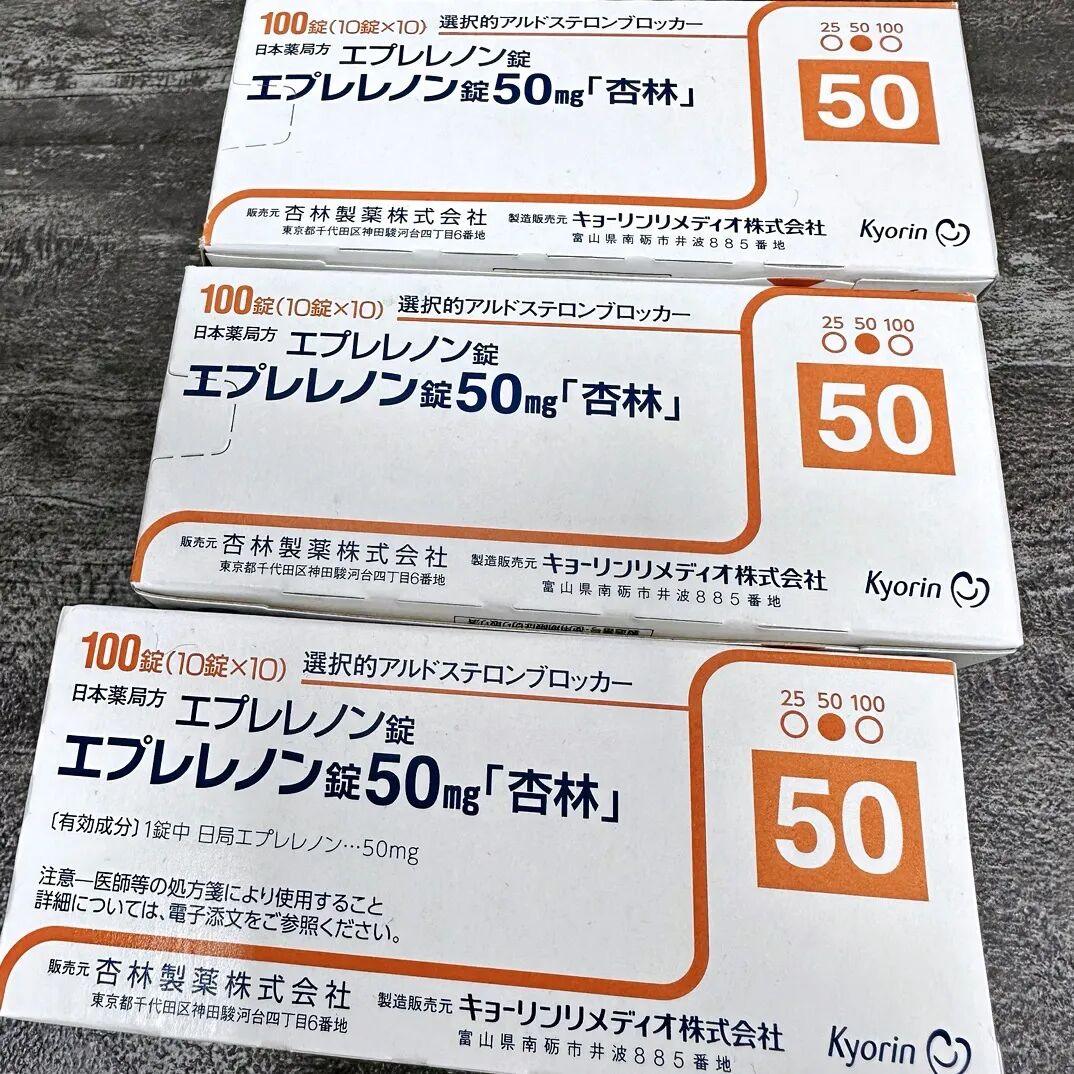
Selective anoredosterone blocker Japanese Pharmacy Prescription Tablets Japanese Pharmacopoeia Eplerenone Tablets Plate Maker Shugensai Co., Ltd. Kyorin ) 4-6 Kanda Surugadai, Chiyoda-ku, Tokyo 885 Inami, Toyama Teinanto City Selective Aldosterone Blocker Japanese Vegetable Bureau Square Ingots 4-6 Kanda Kawadai, Chiyoda-ku, Tokyo Kyorin 885 Inami, Kananto City, Toyama 100 ingots (10 ingots ×10) [Contains Ingredients] 1 tablet of China-Japan Bureau VV] 50mg Caution: For use by physicians or similar personnel Caution: Use only under a doctor's prescription. Kaikogen Kyorin Pharmaceutical Co., Ltd. Infant Manufacturing Sales Kaigen Sai Co., Ltd. 4-6 Kanda Kawadai, Chiyoda-ku, Tokyo
選択的アノレドステロンプロッカー 日本藥局方工锭 日本薬局方エプレレノン錠 造版秀元才株式会社 Kyorin ) 东京都千代田区神田骏河台四丁目6番地 富山鼎南砺市井波885番地 選択的アルドステロンプロッカー 日本菜局方工锭 东京都千代田区神田河台四丁目6番地 Kyorin 富山果南砺市井波885番地 100锭(10锭×10) 【有劾成分】1锭中日局工VV】50mg 注意一医師等の方使用 注意一医師等の処方箋により使用すること 皈壳元杏林製藥株式会社 婴造贩壳元才株式会社 東京都千代田区神田河台四丁目6番地
Selective anoredosterone blocker Japanese Pharmacy Prescription Tablets Japanese Pharmacopoeia Eplerenone Tablets Plate Maker Shugensai Co., Ltd. Kyorin ) 4-6 Kanda Surugadai, Chiyoda-ku, To…