Cardiovascular · CARDIOVASCULAR
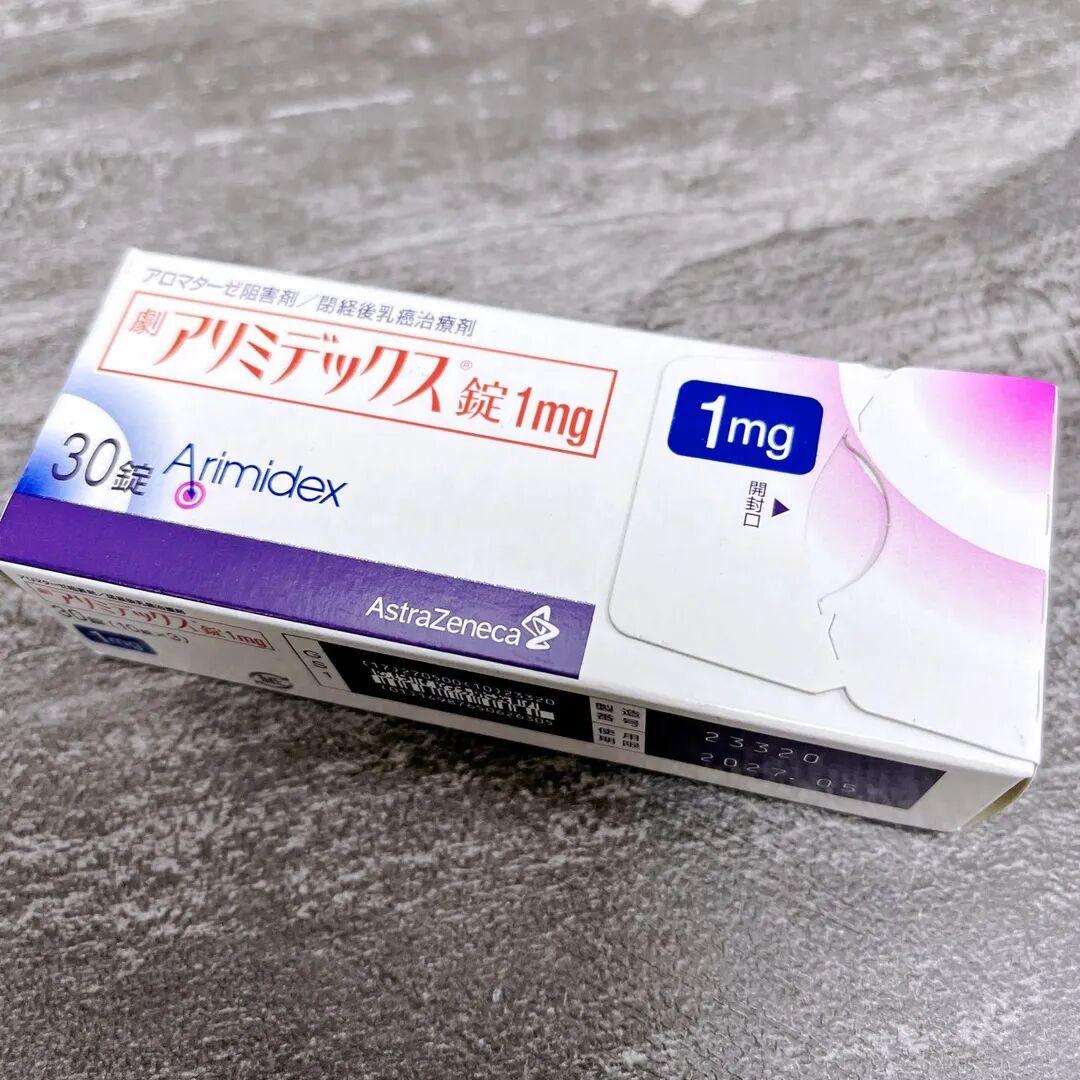
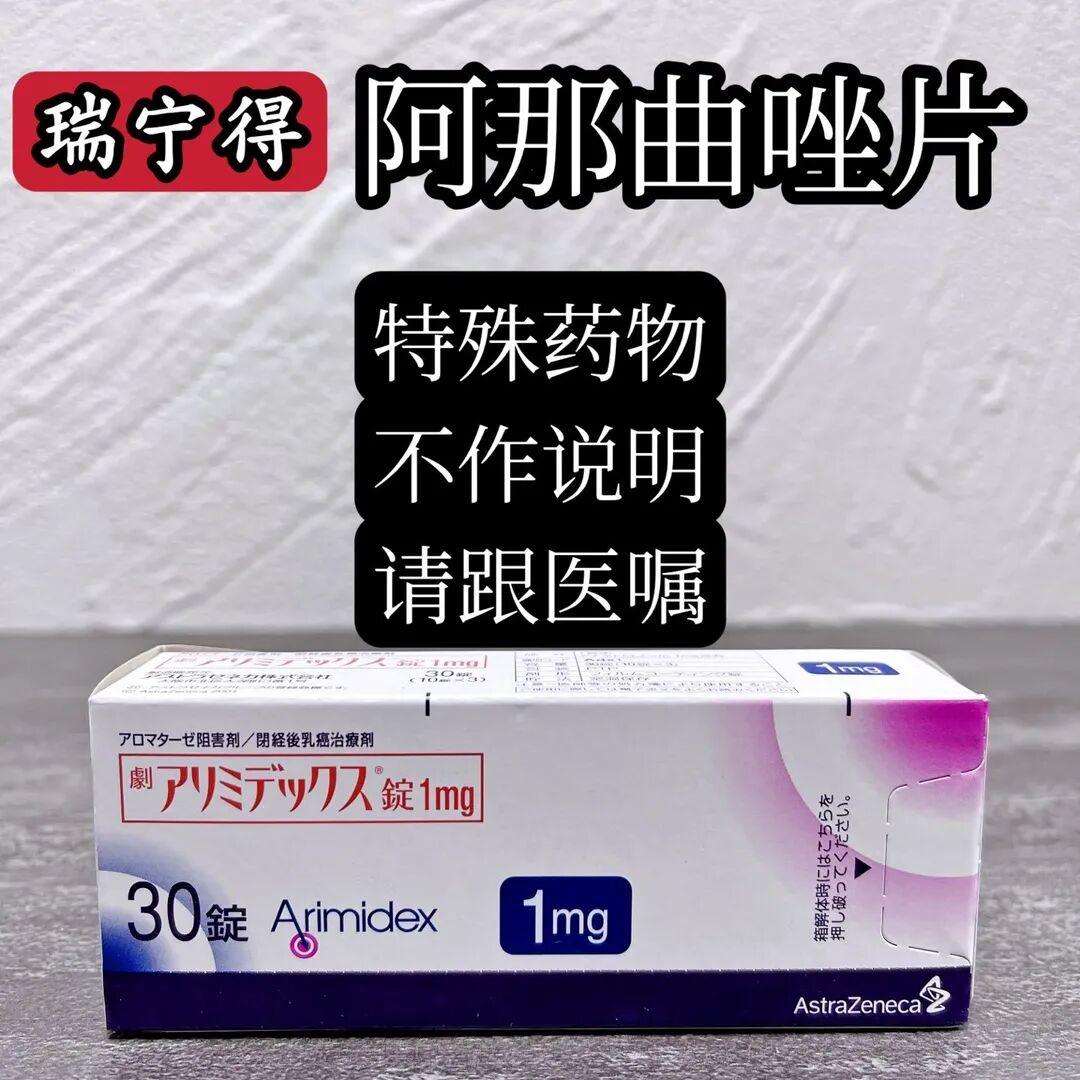
Reinde Anastrozole Tablets
日本語原題:アリミデックス錠1mg
Published2025-03-26 20:18 FormTablet Content9 sections / 2 images Japanese nameアリミデックス錠1mg
Ingredients / strength:
Active ingredient: 1mg of anastrozole per tablet. Additives: lactose hydrate, povidone, sodium starch glycholate, magnesium stearate, hypromellose, macrogol 300, titanium dioxide.
English translation of the Japanese package insert is the main text; the Japanese original is shown alongside for verification. Use the language menu (top right) to read the page in another language. This site is for reference only — consult a doctor or pharmacist before use.
Section 1 · Feature description
English translation
Anastrozole inhibits the activity of aromatase, thereby inhibiting estrogen production from androgens, thereby suppressing the growth of breast cancer.
日本語 Original
アナストロゾールはアロマターゼの活性を阻害することにより、アンドロゲンからのエストロゲン生成を阻害し、乳癌の増殖を抑制する。
Section 2 · Specifications
English translation
100 tablets [10 tablets (PTP)×10].
日本語 Original
100錠[10錠(PTP)×10]。
Section 3 · Characteristics
English translation
White film-coated locks.
日本語 Original
白色のフィルムコーティング錠。
Section 4 · Ingredient Description
English translation
Active ingredient: 1mg of anastrozole per tablet.
Additives: lactose hydrate, povidone, sodium starch glycholate, magnesium stearate, hypromellose, macrogol 300, titanium dioxide.
日本語 Original
有効成分:1錠中,アナストロゾール1mg。
添加剤:乳糖水和物、ポビドン、デンプングリコール酸ナトリウム、ステアリン酸マグネシウム、ヒプロメロース、マクロゴール300、酸化チタン。
Section 5 · Functions and indications
English translation
Postmenopausal breast cancer.
日本語 Original
閉経後乳癌。
Section 6 · Usage and dosage
English translation
Typically, adults receive 1 mg of anastrozole orally once daily.
日本語 Original
通常、成人にはアナストロゾールとして1mgを1日1回、経口投与する。
Section 7 · Important notes
English translation
1. Considering the properties of this drug and lack of prior usage experience, avoid use in premenopausal patients.
2. This drug is an endocrine therapy agent, and should only be used in patients who are deemed appropriate for treatment with this drug under the supervision of a physician with sufficient knowledge and experience in drug therapy for cancer.
3. Administration of this drug increases the risk of osteoporosis and fractures, so it is advisable to regularly monitor bone condition such as bone density.
4. Liver dysfunction and jaundice may occur, so regular liver function tests and thorough monitoring are essential.
5. Although the relationship with this drug is unclear, clinical trials have reported cases such as asthenia and drowsiness, so caution is advised when driving or operating machinery.
日本語 Original
1、本剤の特性ならびに使用経験がないことを考慮して閉経前患者への使用は避けること。
2、本剤は内分泌療法剤であり、がんに対する薬物療法について十分な知識・経験を持つ医師のもとで、本剤による治療が適切と判断される患者についてのみ使用すること。
3、本剤の投与によって、骨粗鬆症、骨折が起こりやすくなるので、骨密度等の骨状態を定期的に観察することが望ましい。
4、肝機能障害、黄疸があらわれることがあるので、定期的な肝機能検査を行うなど、観察を十分に行うこと。
5、本剤との関連性は明確ではないが、臨床試験において無力症や傾眠等が報告されているので、自動車の運転や機械の操作には注意すること。
Section 8 · Side effects
English translation
1. Stevens-Johnson Syndrome (frequency unknown)
2. Anaphylaxis (frequency unknown), angioedema (frequency unknown), urticaria (1.0%)
Hypersensitivity symptoms such as anaphylaxis, angioedema, and hives may appear.
3. Liver dysfunction and jaundice (both unknown frequency)
Liver dysfunction and jaundice accompanied by elevated AST, ALT, Al-P, and γ-GTP may occur.
4. Interstitial pneumonia (1.0%)
Carefully observe clinical symptoms such as cough, difficulty breathing, and fever, and if abnormalities are detected, perform chest X-ray, chest CT, or other examinations. If interstitial pneumonia is suspected, discontinue administration and take appropriate measures such as administering corticosteroids.
5. Thromboembolism (frequency unknown)
Deep vein thrombosis, pulmonary embolism, and similar conditions may occur.
6. Full Body
Headaches, hot flashes, fatigue, fatigue, and weakness.
7. Digestive system
Nausea, vomiting, diarrhea, loss of appetite.
8. Psychiatric and Nervous System
Sensory abnormalities (including illusions and taste disorders), drowsiness, carpal tunnel syndrome, depression.
9. Skin
Hair loss, rash, cutaneous vasculitis, IgA vasculitis.
10. Musculoskeletal System
Joint pain, stiffness, fractures, arthritis, osteoporosis, bone pain, snapping fingers, muscle pain.
11. Genitals
Genital bleeding, vaginal dryness.
12. Blood
White blood cells decrease, good neutrophils decrease.
13. Others
Hypercholesterolemia, hypercalcemia.
日本語 Original
1、皮膚粘膜眼症候群(Stevens-Johnson症候群)(頻度不明)
2、アナフィラキシー(頻度不明)、血管浮腫(頻度不明)、蕁麻疹(1.0%)
アナフィラキシー、血管浮腫、蕁麻疹等の過敏症状があらわれることがある。
3、肝機能障害、黄疸(いずれも頻度不明)
AST、ALT、Al-P、γ-GTPの上昇等を伴う肝機能障害、黄疸があらわれることがある。
4、間質性肺炎(1.0%)
咳嗽、呼吸困難、発熱等の臨床症状を十分に観察し、異常が認められた場合には、胸部X線、胸部CT等の検査を実施すること。間質性肺炎が疑われた場合には投与を中止し、副腎皮質ホルモン剤の投与等の適切な処置を行うこと。
5、血栓塞栓症(頻度不明)
深部静脈血栓症、肺塞栓症等があらわれることがある。
6、全身
頭痛、ほてり、倦怠感,疲労、無力症。
7、消化器
嘔気、嘔吐,下痢、食欲不振。
8、精神神経系
感覚異常(錯感覚、味覚異常を含む)、傾眠、手根管症候群、抑うつ。
9、皮膚
脱毛、発疹、皮膚血管炎、IgA血管炎。
10、筋・骨格系
関節痛 、硬直 、骨折、関節炎、骨粗鬆症、骨痛、弾発指、筋肉痛。
11、生殖器
性器出血、腟乾燥。
12、血液
白血球減少,好中球減少。
13、その他
高コレステロール血症,高カルシウム血症。
Section 9 · Taboo
English translation
1. Non-smokers [because the use of this drug is unnecessary. Also, side effects are more likely to appear. 〕
2. Pregnant women or women who may be pregnant, and breastfeeding women [teratogenicity has been reported in animals and milk transfer in humans. 〕
3. Patients with unstable angina, acute myocardial infarction (within 3 months of onset), severe arrhythmias, or immediately after percutaneous coronary angioplasty, or immediately after coronary artery bypass surgery [may cause vasoconstriction and increased blood pressure due to accelerated catecholamine release, which may worsen symptoms. 〕
4. Patients in the early recovery stages of cerebrovascular injury [There is a risk of cerebral vascular spasms or narrowing, which may worsen symptoms. 〕
5. Patients with a history of hypersensitivity to any component of this drug.
日本語 Original
1、非喫煙者〔本剤の使用が不必要であるため。また、副作用があらわれやすい。〕
2、妊婦又は妊娠している可能性のある女性、授乳婦〔動物で催奇形性及びヒトで乳汁中移行が報告されている。〕
3、不安定狭心症、急性期の心筋梗塞(発症後3ヵ月以内)、重篤な不整脈のある患者又は経皮的冠動脈形成術直後、冠動脈バイパス術直後の患者〔カテコラミン放出促進による血管収縮、血圧上昇をきたし症状が悪化するおそれがある。〕
4、脳血管障害回復初期の患者〔脳血管の攣縮・狭窄を起こし症状が悪化するおそれがある。〕
5、本剤の成分に対し過敏症の既往歴のある患者。
Source images
2 imagesThe artwork keeps its original Japanese/Chinese lettering. Open “Text in this image” under a picture to read what it says in your language (machine-read, may contain errors).
Text in this image machine-read · may contain errors
Anastrozole Tablets Reining Special Medications No explanation provided Please follow the doctor's attention Aromatase Inhibitors / Postmenopausal Breast Cancer Treatment Extreme Alimia Blade Tablets LMG 1mg Arimidex AstraZeneca
阿那曲唑片 瑞宁得 特殊药物 不作说明 请跟医瞩 アロマターゼ阻害剤 / 閉経後乳癌治療剤 劇アリミア刃ス錠 lmg 1mg Arimidex AstraZeneca
Anastrozole Tablets Reining Special Medications No explanation provided Please follow the doctor's attention Aromatase Inhibitors / Postmenopausal Breast Cancer Treatment Extreme Alimia Blad…