Endocrine & Metabolic · ENDOCRINE

Fei Wei'er

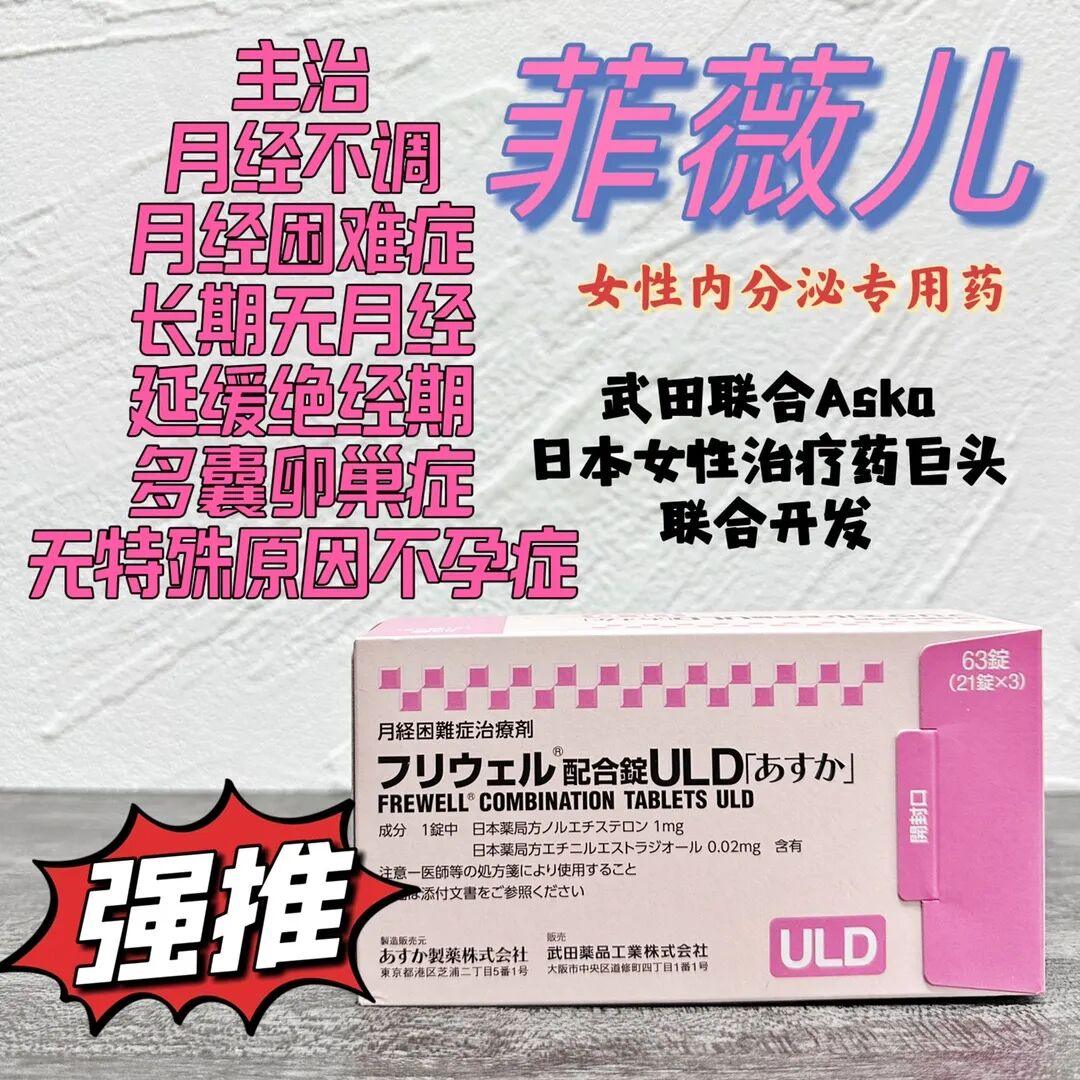
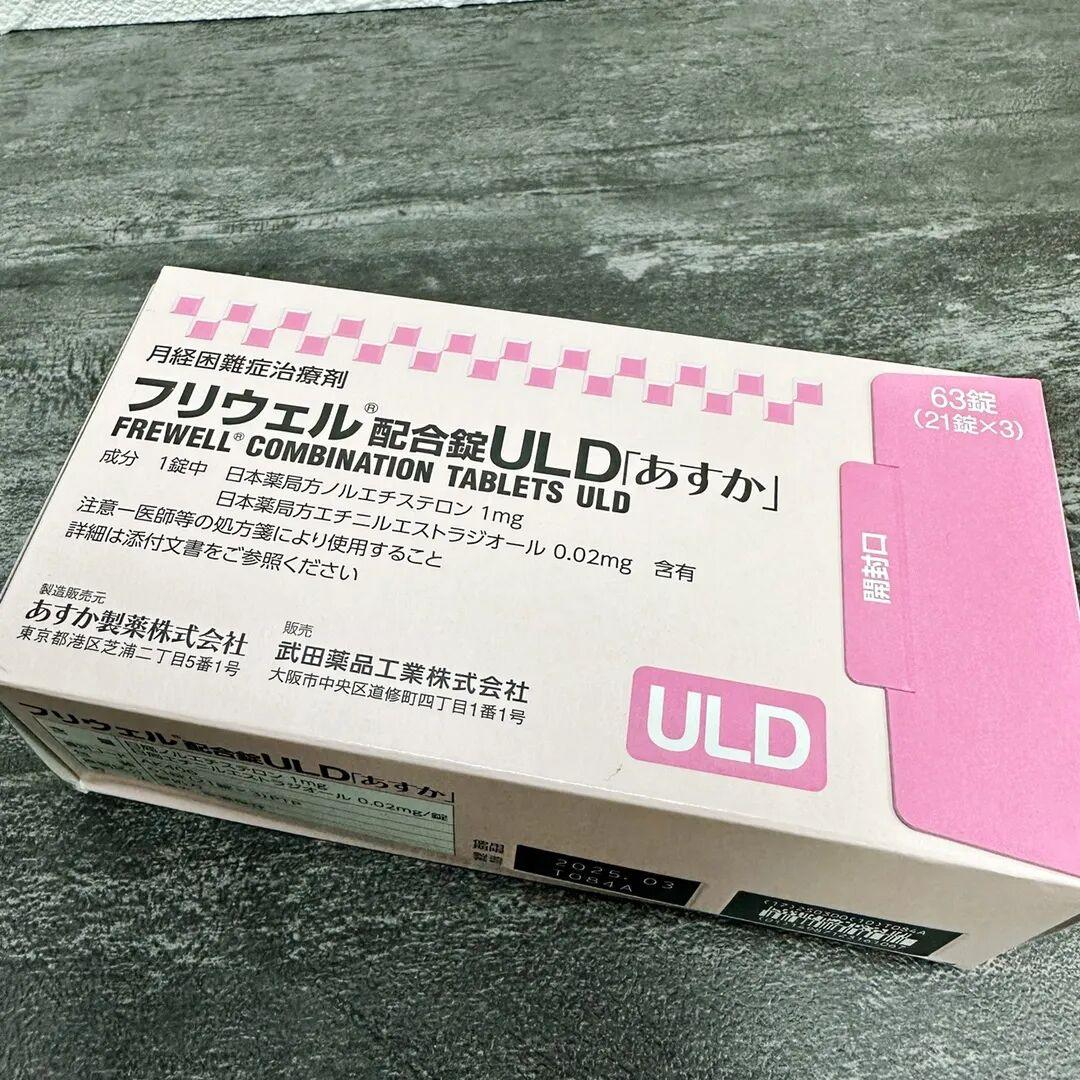
日本語原題:フリウェル配合錠ULD「あすか」

Published2025-04-05 10:53 FormTablet Content9 sections / 2 images Japanese nameフリウェル配合錠ULD「あすか」
Ingredients / strength:
Active ingredients (per tablet): Norethysterone (Nippon Bureau) 1mg, Ethinylestradiol (Nippon Bureau) 0.02m. Additives: anhydrous lactose, lactose hydrate, partially alpha-starch, steer.
English translation of the Japanese package insert is the main text; the Japanese original is shown alongside for verification. Use the language menu (top right) to read the page in another language. This site is for reference only — consult a doctor or pharmacist before use.
Section 1 · Feature description
English translation
1. Dysmenorrhea This drug is thought to suppress prostaglandin production through ovulation-suppressing and endometrial proliferation suppression, thereby alleviating pain caused by uterine smooth muscle contractions and other factors. 2. Adjustment of the timing for initiating regulated ovarian stimulation in assisted reproductive technology After administering this drug for a certain period to suppress the secretion of endogenous follicular hormone and progesterone, the blood concentrations of synthetic follicular hormone and synthetic luteal hormone, which are active ingredients of this drug, are maintained for a certain period. Discontinuing this drug causes these levels to drop sharply, causing the endometrium to shed and resulting in withdrawal bleeding that determines the start time of regulated ovarian stimulation in assisted reproductive technology. 3. Ovulation suppression effect When 14 healthy adult women were given a combination of norethisterone 1 mg and ethinyl estradiol (0.035 mg or 0.02 mg) once daily for 21 days, suppression of estradiol and progesterone secretion was observed in all cases.
Section 2 · Specifications
English translation
63 tablets [21 tablets (PTP)×3, with desiccant]
Section 3 · Characteristics
English translation
White plain tablets.
Section 4 · Ingredient Description
English translation
Active ingredients (per tablet): Norethysterone (Nippon Bureau) 1mg, Ethinylestradiol (Nippon Bureau) 0.02m. Additives: anhydrous lactose, lactose hydrate, partially alpha-starch, steer.
Section 5 · Functions and indications
English translation
1. Dysmenorrhea. 2. Adjustment of the timing of initiating regulated ovarian stimulation in assisted reproductive technology.
Section 6 · Usage and dosage
English translation
〈Dysmenorrhea〉 One tablet is administered orally at a fixed time each day for 21 days, then taken off for 7 days. Each 28-day administration cycle is administered, and regardless of whether bleeding has ended or continues, the next cycle of tablets is administered from day 29 onward, repeating the same cycle. 〈Adjustment of the Start Timing of Regulated Ovarian Stimulation in Assisted Reproductive Technology〉 One tablet is administered orally at a fixed time each day, usually for 14~21 days.
Section 7 · Important notes
English translation
〈Common Effects〉 1. Do not use this drug for contraceptive purposes. 2. Thrombosis may occur with this drug regardless of risk factors such as age, smoking, obesity, or family history. If any of the following symptoms appear, discontinue administration immediately and take appropriate measures. Main symptoms of thrombosis requiring urgent attention Sudden pain or swelling in the lower limbs, sudden shortness of breath, chest pain, severe headache, weakness or paralysis of the limbs, speech disorders, acute visual impairment, and similar symptoms. Patients should also be advised to stop taking the medication immediately and seek medical attention if such symptoms appear. 3. If symptoms suspected of thrombosis appear while taking this drug, take appropriate measures such as discontinuing administration. Symptoms suspected of thrombosis Pain, swelling, numbness, redness, heat sensation in the lower limbs, headache, nausea, vomiting, etc. 4. If a condition increasing the risk of thrombosis (inability to move, significant blood pressure rise, dehydration, etc.) is observed, appropriate measures such as discontinuing administration should be taken. 5. Explain the following to patients at the start and continuation of administration. (1) Thrombosis can follow life-threatening courses. (2) If symptoms suggestive of thrombosis appear or if the risk of thrombosis increases, stop taking the medication immediately and consult a doctor, even if the symptoms or condition are mild. (3) When suspecting thrombosis and visiting another medical institution, inform your doctor of the use of this drug so that you can receive an examination with thrombosis in mind. 6. If surgery is deemed necessary while taking this drug, pay close attention to thrombosis prevention. 7. There are reports that age and smoking amount increase the risk of serious cardiovascular side effects; therefore, patients taking this drug should be instructed to quit smoking. 8. Since this drug is a combination of progesterone and follicular hormone, if you are using medications containing progesterone or follicular hormone (such as oral contraceptives), discontinue this medication before starting administration. Also, instruct patients not to use these drugs during administration of this drug. 〈Dysmenorrhea〉 1. When administering this drug, medical history investigation and examination of the patient are necessary. This screening includes blood pressure measurement, breast and abdominal examinations, and clinical examinations. During administration of this drug, check-ups should be conducted every six months, and at least once a year, examinations of pelvic organs focusing on the uterus and ovaries should be performed. Also, consider conducting cervical cytology once a year. 2. For breast cancer screening, patients should be instructed to perform self-examinations. 3. In patients with dysmenorrhea with organic diseases currently receiving this drug, pay attention to the occurrence of abnormal genital bleeding and regularly perform internal examinations and ultrasound examinations to check for exacerbation of organic diseases. In particular, there are reports suggesting that endometriotic ovarian cysts (ovarian chocolate cysts) can become malignant during natural courses, so imaging diagnostics and tumor marker tests should also be performed. If exacerbation of organic diseases such as tumor enlargement is observed during administration of this drug, consider other treatments before deciding whether to continue administration. 4. During administration of this drug, closely monitor the course of administration, and if the expected effect is not achieved, do not continue administration indiscriminately and consider other appropriate treatments. 5. If abnormal genital bleeding occurs during administration, it usually disappears during continued administration but persists for a long time. Administer only after confirmation by vaginal cytology or other tests that it is not caused by malignant disease. 6. Administration of this drug may cause irregular menstruation or abnormal genital bleeding such as infrequent menstruation. Patients should be thoroughly informed in advance and advised to consult a doctor if the amount of bleeding is heavier, longer, or if menstruation does not occur. For patients with persistent bleeding, perform blood tests as needed, and if abnormalities are detected, take appropriate measures such as administering iron supplements or discontinuing this drug. 7. If severe diarrhea or vomiting persists during use, malabsorption of this drug may occur, increasing the risk of pregnancy, so caution is advised. 〈Adjustment of the Start Timing of Regulated Ovarian Stimulation in Assisted Reproductive Technology〉 1. Use this drug under the guidance of a physician with sufficient knowledge and experience in infertility treatment. Explain in advance to patients the expected risks and symptoms to watch for when administering this drug. 2. If severe diarrhea or vomiting persists during use, malabsorption of this medicine may occur, and bleeding may not occur at the scheduled time; consult a doctor.
Section 8 · Side effects
English translation
1. Thrombosis (limbs, lungs, heart, brain, retina, etc.) (frequency unknown) If symptoms such as sudden pain or swelling in the lower limbs, sudden shortness of breath, chest pain, severe headache, limb weakness or paralysis, speech disorders, or acute visual impairment appear, immediately discontinue administration and provide appropriate treatment. 2. Anaphylaxis (frequency unknown) Symptoms such as difficulty breathing, hives, angioedema, and itching may occur. 3. Allergies Rashes, drug rashes, facial edema. 4. Blood Anemia. 5. Endocrine Metabolism Edema, weight gain, weight loss, hyperprolactinemia, hyperlipidemia. 6. Psychiatry and Neuropsychiatry Pain (15.5%), fatigue, dizziness, irritability, dizziness, numbness, olfactory delinquency, drowsiness, insomnia, emotional instability, facial numbness, migraine, abnormal sensations, hypersensitivity, sleep disorders, nervousness, heaviness in the head, numbness, tremors, depression. 7. Eyes Foggy vision, visual impairment (decreased vision, visual field defects, etc.). 8. Circulator Increased blood pressure, palpitations, hot flashes, peripheral edema, orthostatic hypotension. 9. Digestive System Nausea (17.9%), upper abdominal pain, vomiting, abdominal pain, diarrhea, constipation, stomach pain, abdominal bloating, bloating, gastritis, irritable bowel syndrome, stomach discomfort, toothache, painful bowel movements, gastrointestinal motility disorders, stomatitis, loss of appetite, hemorrhoids Nuclear disease, enteritis, abdominal discomfort, indigestion, gastroenteritis, dry mouth, heartburn, increased appetite. 10. Liver Liver dysfunction and jaundice. 11. Skin Acne, eczema, urticaria, erythema multiforme, atopic dermatitis, female genital pruritus, erythema, pruritus, dry skin, purpura, pigmentation, alopecia, erythema nodosum. 12. Muscles and Skeleton Back pain, limb pain, muscle spasms, and musculoskeletal rigidity. 13. Kidneys and urinary tract Urethritis and urinary protein are positive. 14. Ovaries Hemorrhagic ovarian cysts, ovarian neoplasms, ovarian cysts, ovarian hematoma, ovarian hemorrhage. 15. Uterus Abnormal genital bleeding (rupture bleeding, petechia bleeding) (LD: 60.0%, ULD: 81.1%), infrequent menstruation (LD: 14.1%, ULD: 35.8%), heavy menstruation, lower abdominal pain, infrequent menstruation, frequent menstruation. Amenorrhea, irregular menstruation, genital discharge, uterine enlargement, irregular withdrawal bleeding, intercourse bleeding, degeneration of uteroid fibromas, uterine leiomyomas, cervical polyps, premenstrual syndrome, uterine bleeding. Changes in menstrual blood volume and increased vaginal discharge. 16. Breasts Breast pain, breast discomfort, breast tightness, breast atrophy, milk secretion, breast cancer, breast tumors, galactorrhea, fibrocystic breast disease, fibroadenoma of the breast. 17. Clinical Testing Increased AST, increased ALT, increased γ-GTP, increased plasminogen, increased blood triglycerides, increased blood cholesterol, increased blood fibrinogen, decreased blood iron, increased platelet count, increased blood bilirubin, increased blood iron, abnormal cervical smear, increased fibrin D-dimer. 18. Others Decreased libido, heat sensation, chest discomfort, inflammatory pain, shingles, sinusitis, dental caries, candidiasis, rhinitis, meningiomas, fever, tinnitus, dryness of the vulva, allergic rhinitis, excessive sweating.
Section 9 · Taboo
English translation
1. Patients with a predisposition to hypersensitivity to any component of this drug 2. Patients with estrogen-dependent malignancies (such as breast cancer, endometrial cancer), cervical cancer, and suspected cases [may promote tumor exacerbation or manifestation). ] 3. Patients with abnormal genital bleeding whose diagnosis has not been confirmed [suspected genital cancer]. If the bleeding is caused by genital cancer, it may promote the progression or manifestation of the cancer. ] 4. Patients with thrombophlebitis, pulmonary embolism, cerebrovascular disorders, coronary artery disease, or a history of these [blood coagulation capacity may be elevated, which may worsen these symptoms]. ] 5. Smokers aged 35 and over who smoke 15 or more cigarettes per day [There are reports that cardiovascular disorders such as myocardial infarction are more likely. ] 6. Patients with migraines with aura (flash scotoma, star flashes, etc.) [There are reports that migraine patients with aura are more likely to develop cerebrovascular disorders (such as stroke) compared to those without aura. ] 7. Patients with valvular heart disease complicated by pulmonary hypertension or atrial fibrillation, or patients with a history of subacute bacterial endocarditis [There are reports that cardiovascular disorders such as thrombosis are more likely. ] 8. Diabetic patients with vascular lesions (diabetic nephropathy, diabetic retinopathy, etc.) [There are reports that cardiovascular disorders such as thrombosis are more likely to occur. ] 9. Patients with thrombotic predisposition [There are reports that cardiovascular disorders such as thrombosis are more likely. ] 10. Patients with antiphospholipid antibody syndrome [There are reports that cardiovascular disorders such as thrombosis are more likely to occur. ] 11. Patients within 4 weeks before surgery, within 2 weeks postoperatively, within 4 weeks postpartum, and in prolonged rest. [Increased blood coagulation capacity may increase the risk of cardiovascular side effects. ] 12. Patients with severe liver impairment 13. Patients with liver tumors [symptoms may worsen]. ] 14. Patients with lipid metabolism disorders [There are reports that cardiovascular disorders such as thrombosis are more likely to occur. Additionally, it can affect lipid metabolism, which can worsen symptoms. ] 15. Patients with hypertension (excluding those with mild hypertension) [There are reports that cardiovascular disorders such as thrombosis are more likely to occur. Symptoms may also worsen. ] 16. Patients with otosclerosis [symptoms may worsen]. ] 17. Patients with a history of jaundice, persistent pruritus, or herpes gravidarum during pregnancy [there is a risk of symptom recurrence. ] 18. Pregnant women or patients who may be pregnant 19. Nursing Women 20. Patients whose bone growth may not have been completed [may experience premature closure of epiphyseals]. ]

Source images

2 images

Need help sourcing Japanese medicines or OEM production?

💬