Thymiamchloride AP/BP
日本語原題:テラムロ配合錠AP/BP「DSEP」
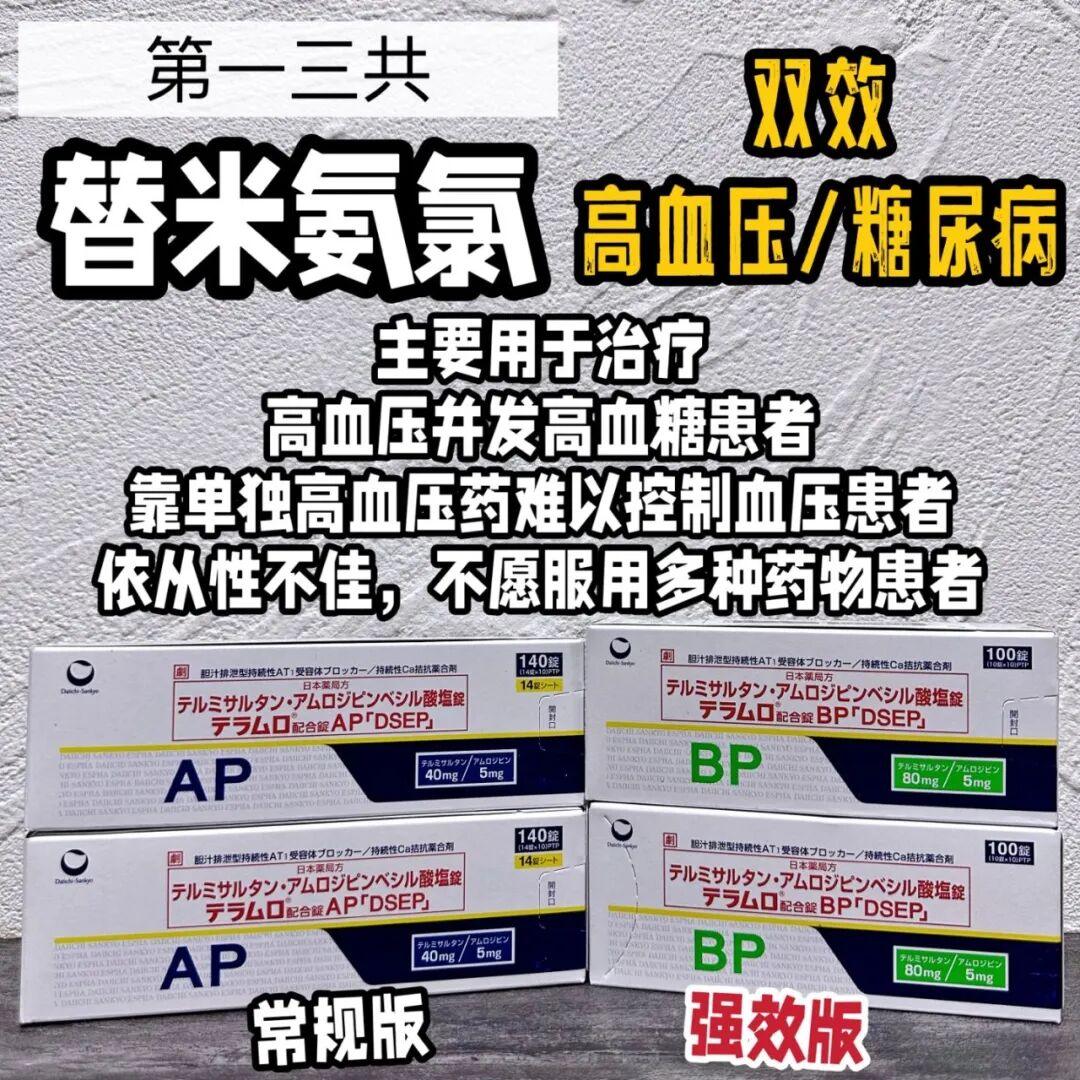
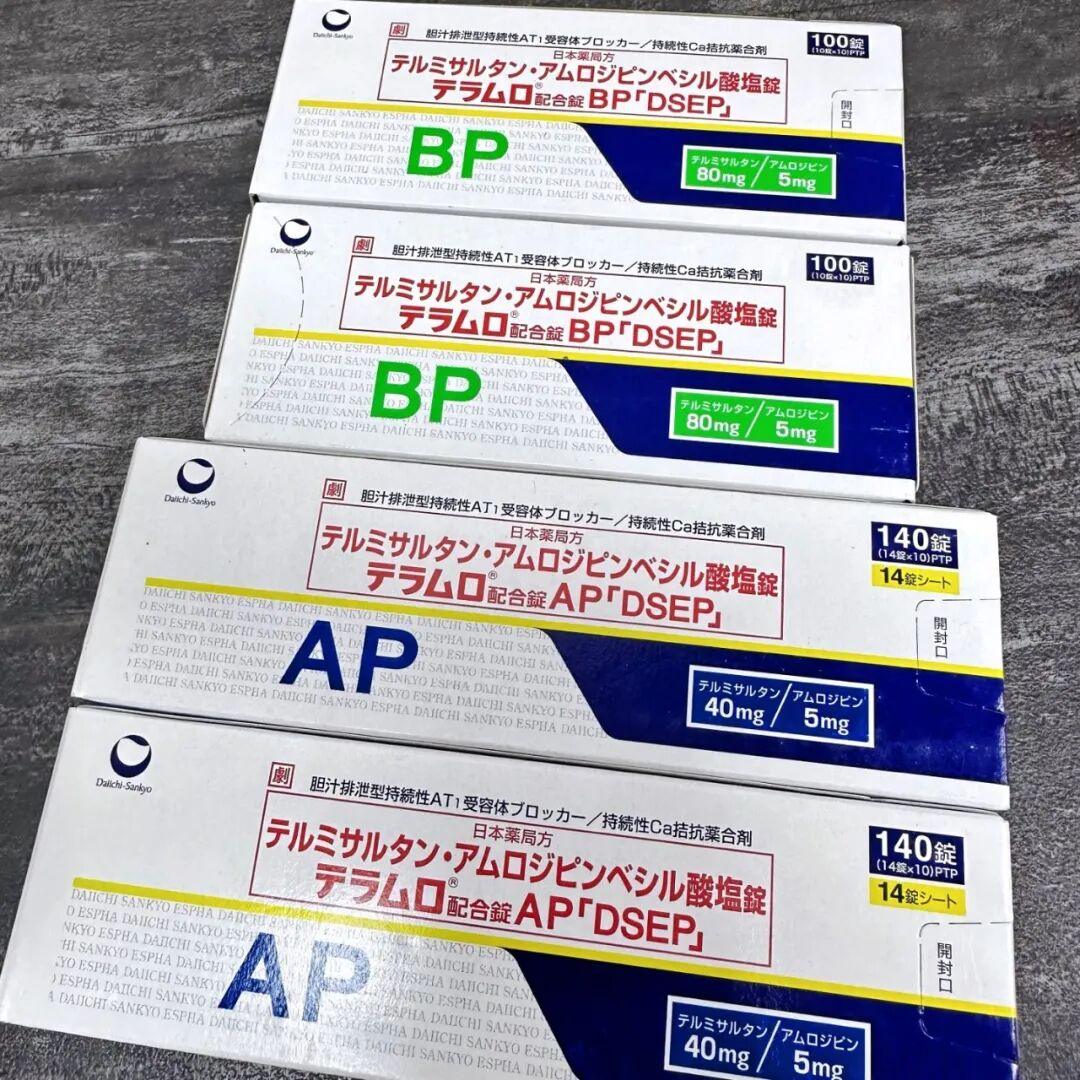
1. Teramuro-containing tablets AP "DSEP" Active ingredients: Telmisartan (Japanese version) 40mg per tablet, amlodipine besylate (Japanese version) 6.93mg (5mg as amlodipine) per tablet Additives: D-mannitol, meglumine, polyoxyethylene [160]polyoxypropylene [30]glycol, light anhydrous silica, corn starch, hydroxypropyl cellulose, magnesium stearate, hypromellose, macrogol 6000, titanium dioxide, talc, ferric trioxide. 2. Teramuro-containing tablets BP "DSEP" Active ingredients: Telmisartan (Japanese prefix) 80mg per tablet, amlodipine besilate (Japanese compound) 6.93mg (5mg as amlodipine) per tablet Additives: D-mannitol, meglumine, polyoxyethylene [160]polyoxypropylene [30]glycol, light anhydrous silica, corn starch, hydroxypropyl cellulose, magnesium stearate, hypromellose,
Source images
2 imagesThe artwork keeps its original Japanese/Chinese lettering. Open “Text in this image” under a picture to read what it says in your language (machine-read, may contain errors).
Text in this image machine-read · may contain errors
Daiichi Sankyo Tilamino chloride Hypertension/diabetes Mainly used for treatment Patients with hypertension complicated by hyperglycemia It is difficult to control blood pressure patients with hypertension medication alone Patients with poor adherence and reluctance to take multiple medications 100 ingots テラムロ BP 「 DSE Teramuro Gogin AP "DSER" 40mg/ 80mg 5mg Administered as a 7-port anti-pot AT1 receptor with a reactive AT1 receptor > modulating Ca antagonist full combination Planned discharge of the modulant-holding AT1 receptor inch-kou force/holding Ca antagonist combination Deramlo Joint BP "DSE." Teramuro Nogo Bank AP "DSEP" 40mg Powerful version Standard version
第一三共 替米氨氯 高血压/糖尿病 主要用于治疗 高血压并发高血糖患者 靠单独高血压药难以控制血压患者 依从性不佳,不愿服用多种药物患者 100锭 テラムロ BP 「 DSE テラムロ合銀 AP 「 DSER 」 40mg/ 80mg 5mg 服计排池型持晓性AT1受容体7口>力一/持模性Ca拮抗满合剂 计排潜型持模性AT1受容体寸口力一/持摄性Ca拮抗案合剂 デラムロ合齪 BP 「 DSE テラムロ能合銀 AP 「 DSEP 」 40mg 强效版 常规版
Daiichi Sankyo Tilamino chloride Hypertension/diabetes Mainly used for treatment Patients with hypertension complicated by hyperglycemia It is difficult to control blood pressure patients wi…
Text in this image machine-read · may contain errors
Fluid Blocker Cystic AT1 Container Oral Force 1 / Burning Resistant Ca Antagonist Case Combination Teramro Blend BP "DSE NKYOESPHAMICIT YOESPICADATICITS JESPIADACIUSAN ESANRYOKSPITAD 80mg TEAICHISANKYOESPHADAIICHF SASKYOESHTIA DAUICHI SANKY HSANKYOESPUADAUC 5mg Bile Excretion Type Mirror-Holding AT1 Receptor Inchkouli 1 / Dominant Ca Antagonist Combination Teramuro Formula BPrDSEPJ OFSPEADAJICHI SANI ESPHADARG NRYOSPHADAICHI ANKYOESPH HUSNKIO ESPHA DAN HIL SANKYO ESY Termisa Notan Amurojibi FAPHADAJICHI SANIG ICHI SANGYOESPHADA YUAUCHI SANKYO ESPHA DAIICHI SANKYO ESPHADAICHI SANRY HISANKYOESPHADAICI Choleretic Mirror-Holding AT1 Receptor Oral Force 1 / Mirror-Holding Ca Antagonist Combination 140 ingots (14 Promotion ×10) PTP Teramuro Combination Tablets AP "DSE" NKSOESPHADAJICHITSANR HISANGYO ESPHA DAICH ESPIIADAHCHI SANK YOESPHA DAICHI SANKY CYOESHA DAIICHI SA YESPHADAIICHISANRYO Amrombin DAIICHI SANKYO ESPHA DAICHI SANKYO ESPHADAJICHI SANRYOESPIIADAJICE Thermisartan NKYOESPHADAIICHI SANRYOESPE 40mg Cholere-excreting persistent AT1 receptor inch-mouth force 1 / persistent calcium antagonist combination Japanese Cuisine Formula (14 bags×10) PTP DAICHISANKYOPSPHADATIC DESPHA DAIICHISANKYOESY NKYO ESPHA DAJICHISANKY HI SANKYOESPHA DAJICHI open the seal
阻汁排泄型持胱性AT1容体口力一/持烧性Ca拮抗案合剂 テラムロ配合曁 BP 「 DSE NKYOESPHAMICIT YOESPICADATICITS JESPIADACIUSAN ESANRYOKSPITAD 80mg TEAICHISANKYOESPHADAIICHF SASKYOESHTIA DAUICHI SANKY HSANKYOESPUADAUC 5mg 胆汁排泄型持镜性AT1受容体寸口力一/持统性Ca拮抗彝合剂 テラムロ配合 BPrDSEPJ OFSPEADAJICHI SANI ESPHADARG NRYOSPHADAICHI ANKYOESPH HUSNKIO ESPHA DAN HIL SANKYO ESY テルミサ第ノタンアムロジビ FAPHADAJICHI SANIG ICHI SANGYOESPHADA YUAUCHI SANKYO ESPHA DAIICHI SANKYO ESPHADAICHI SANRY HISANKYOESPHADAICI 胆汁排泄型持镜性AT1受容体口力一/持镜性Ca拮抗合劑 140锭 (14促×10)PTP テラムロ配合錠 AP 「 DSE NKSOESPHADAJICHITSANR HISANGYO ESPHA DAICH ESPIIADAHCHI SANK YOESPHA DAICHI SANKY CYOESHA DAIICHI SA YESPHADAIICHISANRYO アムロンビン DAIICHI SANKYO ESPHA DAICHI SANKYO ESPHADAJICHI SANRYOESPIIADAJICE テルミサルタン NKYOESPHADAIICHI SANRYOESPE 40mg 胆汁排泄型持統性AT1受容体寸口力一/持統性Ca拮抗合剂 日本菜局方 (14袋×10)PTP DAICHISANKYOPSPHADATIC DESPHA DAIICHISANKYOESY NKYO ESPHA DAJICHISANKY HI SANKYOESPHA DAJICHI 開封口
Fluid Blocker Cystic AT1 Container Oral Force 1 / Burning Resistant Ca Antagonist Case Combination Teramro Blend BP "DSE NKYOESPHAMICIT YOESPICADATICITS JESPIADACIUSAN ESANRYOKSPITAD 80mg TE…