Bisoprolol 2.5mg/5mg
日本語原題:メインテート錠2.5mg
1. Meintate Tablets 2.5mg Active ingredient (per tablet): Nippon Bureau Bisoprolol Fumarate 2.5mg. Additives: magnesium stearate, Macrogol 6000, D-mannitol. 2. Mainate Tablets 5mg Active ingredient (per tablet): Nippon Bureau Bisoprolol Fumarate 5mg. Additives: magnesium stearate, Macrogol 6000, D-mannitol.
Source images
8 imagesThe artwork keeps its original Japanese/Chinese lettering. Open “Text in this image” under a picture to read what it says in your language (machine-read, may contain errors).
Text in this image machine-read · may contain errors
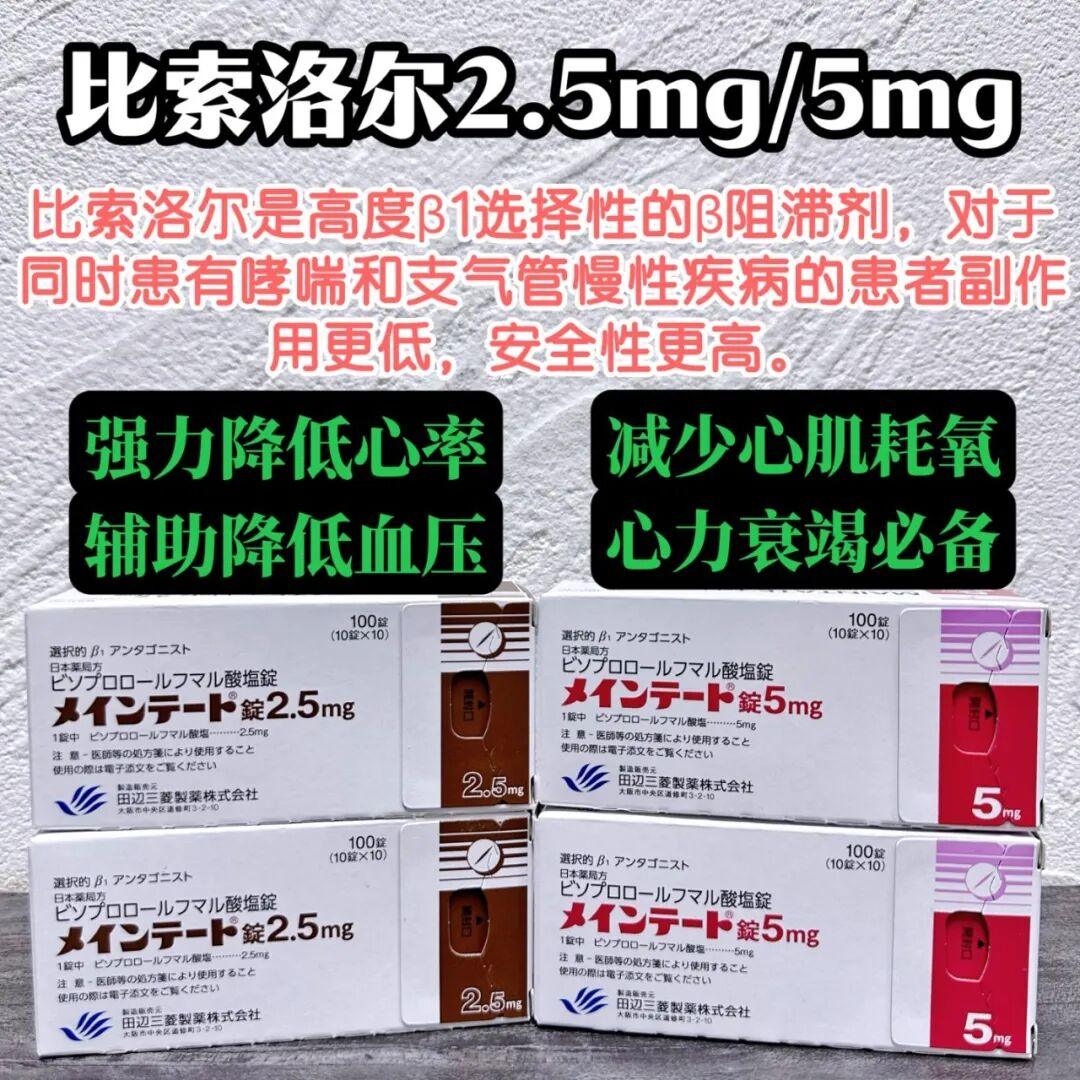
Bisulolol 2.5mg/5mg Bisoprolol is a highly β1-selective β blocker and is effective for Secondary work for patients with both asthma and chronic bronchial diseases Use lower for higher security. Powerful heart rate reduction Reducing myocardial oxygen consumption Essential for heart failure Helps lower blood pressure (10 Indigo ×10) Selective antagonist selective antagonist Birirolol Fumarate Tablets -2.5mg Please send the postal code for use Please enjoy the summer at the end of the month Tanabe Mitsubishi Vegetable Co., Ltd. Tanabe Mitsubishi Infant Vegetable Co., Ltd. (10×10) (10X10) Root-selective antagonist Norolol Fumarate Tablets Selective River Antaconist Biso-9 Rorol Fumarate Tablets The electronic text used is a powerful
比素洛尔2.5mg/5mg 比索洛尔是高度β1选择性的β阻滞剂,对于 同时患有哮喘和支气管慢性疾病的患者副作 用更低,安全性更高。 强力降低心率 减少心肌耗氧 心力衰竭必备 辅助降低血压 (10靛×10) 択的アンタゴニスト 選択的アンタゴニスト ビりロロールフマル酸塩錠 -2.5mg 使用の第は電〒差文をこ第ください 用 0 第はを子際夏をご第ください 田边三菱製菜株式会社 田边三菱婴菜株式会社 (10×10) (10X10) 選根的アンタゴニスト ノロロールフマル酸塩錠 選択的川アンタコニスト ビソ 9 ロロールフマル酸塩錠 使用のは電子第文をこ第くだごい
Bisulolol 2.5mg/5mg Bisoprolol is a highly β1-selective β blocker and is effective for Secondary work for patients with both asthma and chronic bronchial diseases Use lower for higher securi…
Text in this image machine-read · may contain errors
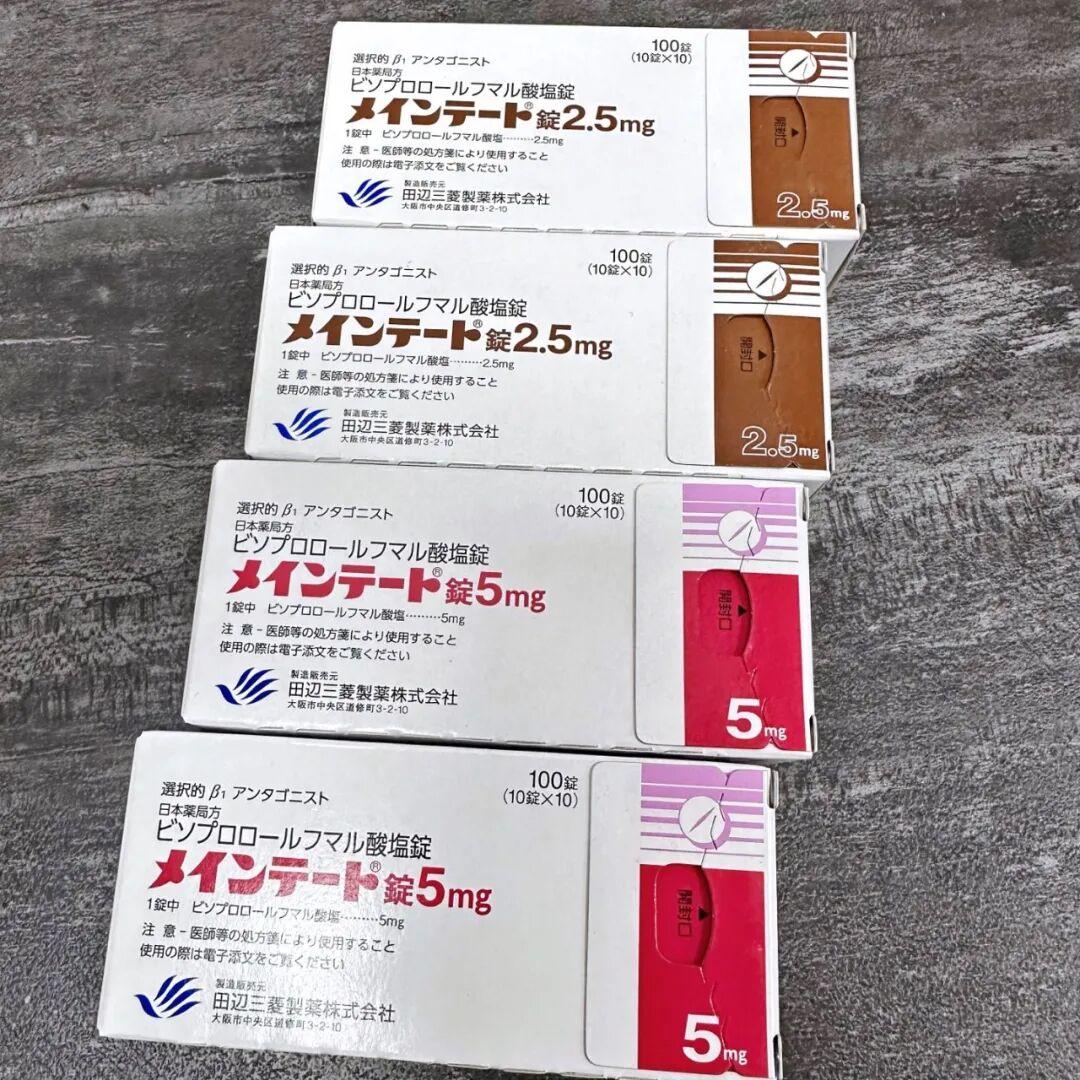
Kobololol Fumaric Acid Smoke Tablets Please see the sentence of the superior sub-section Tanabe Mitsubishi Infant Vegetable Co., Ltd. 3-2-10 Puxu Street, Zhongjian District, Danan City Selective Angle Antagonist Bisoprolol Fumarate Tablets Caution: Use of prescriptions by physicians and others Please see the electronic text for use Mitsubishi Suina Tanabe Corporation 2.5m 3-2-10 Daoxu Street, Central District, Daban City (10 ingots×10) Selective River Antagonists Electronic text for use Please refer to the electronic section for usage Tanabe Mitsubishi Leaf Co., Ltd. 3-2-10 Doshomachi, Chuo-ku, Oban City 100 ingots Selective antagonist Prescribing to Physicians and Others Using Medication Skills Tanabe Mitsubishi Infant Medicine Co., Ltd. Daomai Street, 3-2-10, Central District, Dabanshi
こ夥ロロールフマル酸煙錠 優用の第は第子第文をこ覧ください 田边三菱婴菜株式会社 大南市中尖区浦徐街3-2-10 選択的角アンタゴニスト ビソプロロールフマル酸塩錠 注意一医师等の处方签使用 使用のは電子よ文をご覧ください 田边三菱翠菜株式会社 2.5m 大版市中央区道徐街3-2-10 (10锭×10) 選択的川アンタゴニスト 使用の電子文 使用の際は電子第文をご覧ください 田边三菱製葉株式会社 大版市中央区道修町3-2-10 100锭 選択的のアンタゴニスト 注意医师等の处方黛习使用才 田边三菱婴藥株式会社 大版市中央区道售街3-2-10
Kobololol Fumaric Acid Smoke Tablets Please see the sentence of the superior sub-section Tanabe Mitsubishi Infant Vegetable Co., Ltd. 3-2-10 Puxu Street, Zhongjian District, Danan City Selec…
Text in this image machine-read · may contain errors
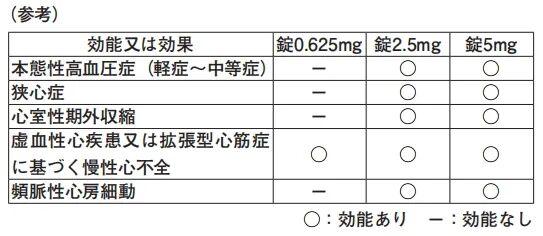
(Reference) Tablets 5mg Tablets 2.5mg Tablets: 0.625mg Ben bear hypertension (Mild to moderate symptoms) Angina Ventricular premature closure Ischemic heart disease is also known as diastolic cardiomyopathy Ren Ji < chronic heart failure
(参考) 锭5mg 锭2.5mg 锭0.625mg 本熊性高血压症 (轻症~中等症) 狭心症 心室性期外收箱 虚血性心疾患又法披张型心筋症 仁基了<慢性心不全
(Reference) Tablets 5mg Tablets 2.5mg Tablets: 0.625mg Ben bear hypertension (Mild to moderate symptoms) Angina Ventricular premature closure Ischemic heart disease is also known as diastoli…
Text in this image machine-read · may contain errors
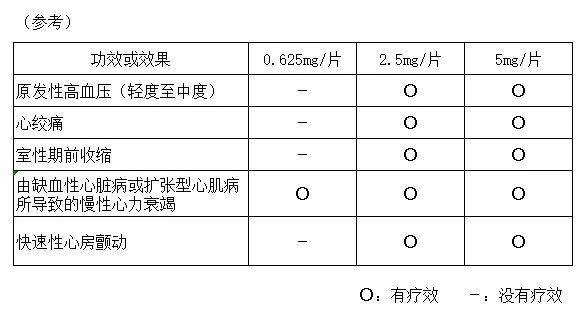
(Reference) 2. 5mg/tablet Efficacy or effect 5mg/tablet 0.625mg per tablet (Mild to moderate) Primary hypertension Angina Ventricular premature contractions Caused by ischemic heart disease or dilated cardiomyopathy Chronic heart failure caused by this Rapid atrial fibrillation Q: It is effective 1. No efficacy
(参考) 2. 5mg/片 功效或效果 5mg/片 0. 625mg/片 (轻度至中度) 原发性高血压 心绞痛 室性期前收缩 由缺血性心脏病或扩张型心肌病 所导致的慢性心力衰竭 快速性心房颤动 Q: 有疗效 一:没有疗效
(Reference) 2. 5mg/tablet Efficacy or effect 5mg/tablet 0.625mg per tablet (Mild to moderate) Primary hypertension Angina Ventricular premature contractions Caused by ischemic heart disease …
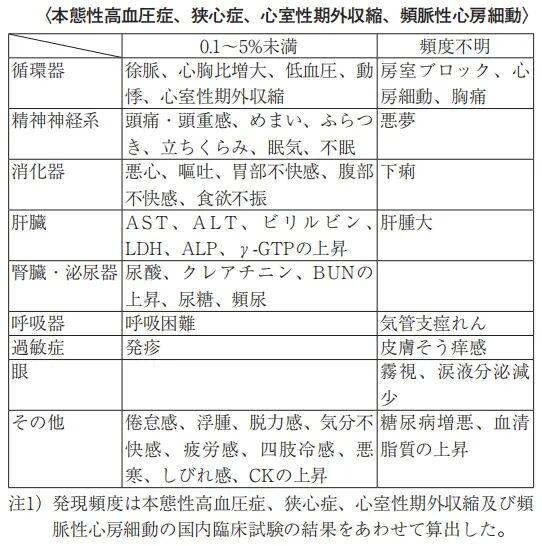
Text in this image machine-read · may contain errors
"Ben Bear Hypertension, Angina, Ventricular Extramature Boxing, Frequent Atrial Fibrillation" 0.1~5% less than full Xu, increased cardiothoracic ratio, hypotension, prolonged atrioventricular and oral hypertension, heart disease Palpitations and ventricular extramature cases Atrial fibrillation, chest pain The spirit and spirit are freed from their attachments , 5. Drowsiness, insomnia Digestive system Nausea, severe vomiting, stomach discomfort, abdominal diarrhea Discomfort and loss of appetite ASTALT, liver sleeping big Differences between LDH, ALP, and -GTP Kidney organ · urinary organ Uric acid, long V-teni, BUN Elevation, urine glucose, frequent urination Breathing is difficult Itchy skin Reduced fog vision and secretion of miswaters Diabetes worsening, serum Fatigue, drowsiness, weakness, and poor mood Pleasure, fatigue, coldness in the limbs, and increased malignant fat Cold, LU desk feel, and CK are all different Note 1: Bench is currently used for cases of Benxiong hypertension, angina, ventricular extramature adoption, and frequency The results of domestic clinical trials for pulse-induced atrial fibrillation were also combined.
《本熊性高血压症、狭心症、心室性期外收箱、频性心房細動》 0.1~5%未满 徐、心胸比增大、低血压、動房室子口久、心 悸、心室性期外收籍 房細動、胸痛 精神神释系 、立5、眠気、不眠 消化器 恶心、幅吐、胃部不快感、腹部下痢 不快感、食欲不振 ASTALT、肝睡大 LDH、ALP、-GTPの上异 肾藏·泌尿器 尿酸、久V了手二、BUNの 上昇、尿糖、频尿 呼吸困 皮膚痒感 雾视、误液分泌减 糖尿病增恶、血清 倦意感、浮睡、脱力感、気分不 快感、疲劳感、四肢冷感、恶脂實の上昇 寒、LU机感、CKの上异 注1凳现類度过本熊性高血压症、狭心症、心室性期外收籍及频 脈性心房細動の国内臨床試験の結果をあわせて算出した。
"Ben Bear Hypertension, Angina, Ventricular Extramature Boxing, Frequent Atrial Fibrillation" 0.1~5% less than full Xu, increased cardiothoracic ratio, hypotension, prolonged atrioventricula…
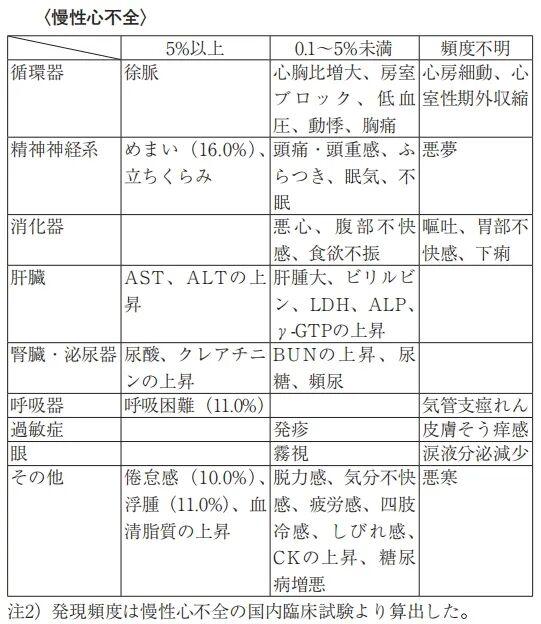
Text in this image machine-read · may contain errors
"Chronic Heart Failure" More than 5%. 0.1~5% less than full Cardiothoracic ratio enlarged, atrioventricular and atrial fibrillation, heart Chronic fetal and hypovolitic cases are extramature Pressure, palpitations, chest pain Headache, heaviness in the head, and evil vines The spirit and spirit are freed from their attachments Good (16.0%), Vertigo Digestive system Nausea, abdominal discomfort, vomiting, and stomach discomfort Loss of appetite AST and ALT for the upper liver sleeping university, 、LDH、ALP、 - Superior to GTP Increased BUN, urine Sugar, urine Difficulty breathing (11.0%) Reduced fluid secretion Fatigue (10.0%), Weakness and inability to divide Floating sleep (11.0%), blood Feelings of fatigue, limbs The highest quality of the pure fat is different Coolness, LU Laptop Feel, CK's upper abnormalities, diabetes and the illness worsens Note 2) Calculated from domestic clinical trials of current chronic heart failure.
《慢性心不全) 5%以上 0.1~5%未满 心胸比增大、房室心房細動、心 子口久、低血室性期外收籍 压、悸、胸痛 頭痛·頭重感、恶萝 精神神释系 好(16.0%)、 立ちくらみ 消化器 恶心、腹部不快幅吐、胃部不 感、食欲不振 AST、ALTの上肝睡大、 、LDH、ALP、 -GTPの上异 BUNの上昇、尿 糖、尿 呼吸困難(11.0%) 液分泌减少 倦意感(10.0%)、 脱力感、分不快 浮睡(11.0%)、血 感、疲劳感、四肢 清脂實の上异 冷感、LU机感、 CKの上异、糖尿 病增恶 注2)現频度过慢性心不全の国内临床试上算出。
"Chronic Heart Failure" More than 5%. 0.1~5% less than full Cardiothoracic ratio enlarged, atrioventricular and atrial fibrillation, heart Chronic fetal and hypovolitic cases are extramature…
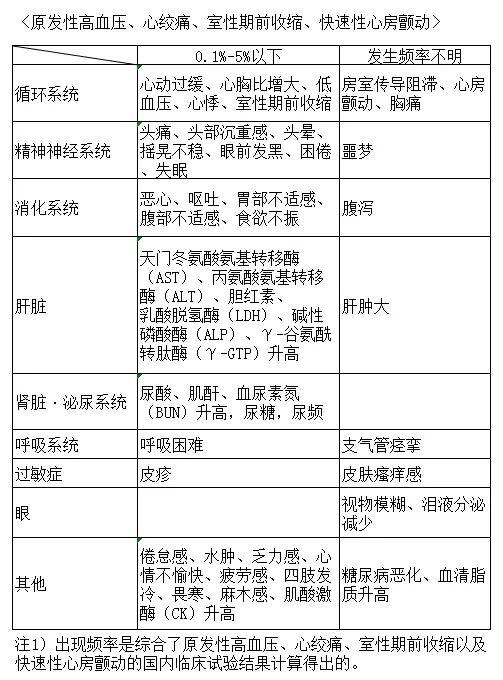
Text in this image machine-read · may contain errors
<Primary hypertension, angina, ventricular premature contractions, tachy atrial fibrillation" 0. 1%-5% or less Frequency unknown Bradycardia, increased cardiothoracic ratio, low atrioventricular conduction block, atrium Circulatory system Tremors, chest pain Blood pressure, palpitations, and ventricular premature contractions Headache, heaviness in the head, dizziness, Psychiatric nervous system Unsteady, vision darkening, drowsiness Insomnia Nausea, vomiting, stomach discomfort, Digestive system Abdominal discomfort and loss of appetite Aspartate aminotransferase (AST), amino transfers of alanine Enzymes (ALT), bilirubin, Liver enlargement Lactate dehydrogenase (LDH), alkaline Phosphatase (ALP), -glutamyl Elevated transpeptidase (-GTP). Uric acid, creatinine, blood urea nitrogen Kidneys and urinary system (BUN) elevated, urinary glucose, frequent urination Difficulty breathing Bronchospasm Respiratory system Allergies Itching of the skin Blurred vision, tear secretion Fatigue, edema, weakness, and heart condition Worsening of diabetes and serum lipids Unhappiness, fatigue, and limb hair Cold, aversion to cold, numbness, creatine Quality is elevated Enzyme (CK) is elevated Note 1) The frequency of occurrence is a combination of primary hypertension, angina, ventricular premature contractions, and Calculated based on domestic clinical trial results for rapid atrial fibrillation.
<原发性高血压、心绞痛、室性期前收缩、快速性心房颤动》 0. 1%-5%以下 发生频率不明 心动过缓、心胸比增大、低房室传导阻、心房 循环系统 颤动、胸痛 血压、心悸、室性期前收缩 头痛、头部沉重感、头晕、 精神神经系统 摇晃不稳、眼前发黑、困倦 、失眠 恶心、呕吐、胃部不适感、 消化系统 腹部不适感、食欲不振 天门冬氨酸氨基转移酶 (AST)、丙氨酸氨基转移 酶(ALT)、胆红素、 肝肿大 乳酸脱氢酶(LDH)、碱性 磷酸酶(ALP)、-谷氨酰 转肽酶(-GTP)升高 尿酸、肌酐、血尿素氮 肾脏·泌尿系统 (BUN)升高,尿糖,尿频 呼吸困难 支气管痉 呼吸系统 过敏症 皮肤瘙痒感 视物模糊、泪液分泌 倦怠感、水肿、乏力感、心 糖尿病恶化、血清脂 情不愉快、疲劳感、四肢发 冷、畏寒、麻木感、肌酸激 质升高 酶(CK)升高 注1)出现频率是综合了原发性高血压、心绞痛、室性期前收缩以及 快速性心房颤动的国内临床试验结果计算得出的。
<Primary hypertension, angina, ventricular premature contractions, tachy atrial fibrillation" 0. 1%-5% or less Frequency unknown Bradycardia, increased cardiothoracic ratio, low atrioventric…
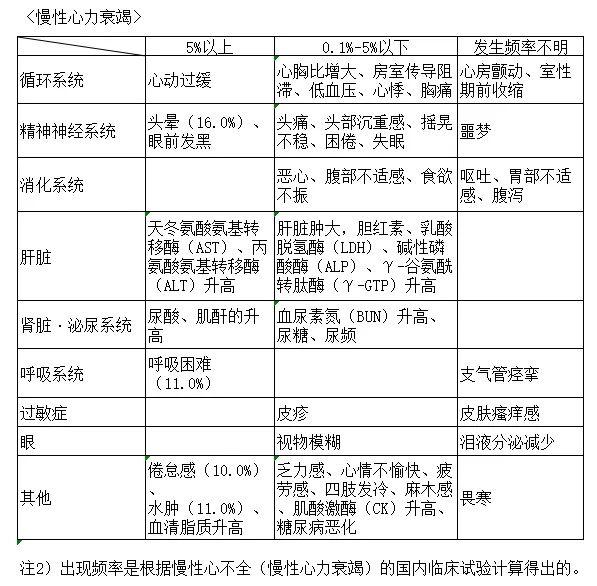
Text in this image machine-read · may contain errors
"Chronic Heart Failure" 0. 1%-5% or less Frequency unknown Increased cardiothoracic ratio, atrioventricular conduction obstruction, atrial fibrillation, ventricular nature Bradycardia Circulatory system Stagnation, hypotension, palpitations, chest pain, premature contractions Headache, heaviness in the head, shaking Dizziness (16.0%) Psychiatric nervous system His vision went dark Unsteadiness, drowsiness, insomnia Nausea, abdominal discomfort, appetite and vomiting, stomach discomfort Digestive system Diarrhea Aspartic acid aminoconilation Liver enlargement, bilirubin and lactic acid Transferase (AST), propylene dehydrogenase (LDH), alkaline phosphorus Enzymes (ALP), -glutamyl Amino aminotransferase Elevated transpeptidase (-GTP). (ALT) rise Increase in uric acid and creatinine Elevated blood urea nitrogen (BUN), Kidneys and urinary system Blood sugar in the urine, frequent urination Difficulty breathing Respiratory system (11. 0%) Allergies Itching of the skin Vision blurred Tear secretion decreases Fatigue, mood, fatigue Burnout (10. 0%) Fatigue, cold limbs, numbness Edema (11. 0%), creatine kinase (CK) is elevated, Serum lipids are elevated Diabetes worsens Note 2) The frequency of occurrence is calculated based on domestic clinical trials of chronic heart failure (chronic heart failure).
《慢性心力衰竭》 0. 1%-5%以下 发生频率不明 心胸比增大、房室传导阻心房颤动、室性 心动过缓 循环系统 滞、低血压、心悸、胸痛期前收缩 头痛、头部沉重感、摇晃 头晕(16.0%) 精神神经系统 眼前发黑 不稳、困倦、失眠 恶心、腹部不适感、食欲呕吐、胃部不适 消化系统 感、腹泻 天冬氨酸氨基转 肝脏肿大,胆红素、乳酸 移酶(AST)、丙脱氢酶(LDH)、碱性磷 酸酶(ALP)、-谷氨酰 氨酸氨基转移酶 转肽酶(-GTP)升高 (ALT)升高 尿酸、肌酐的升 血尿素氮(BUN)升高、 肾脏·泌尿系统 尿糖、尿频 呼吸困难 呼吸系统 (11. 0%) 过敏症 皮肤瘙痒感 视物模糊 泪液分泌减少 乏力感、心情不愉快、疲 倦怠感(10. 0%) 劳感、四肢发冷、麻木感 水肿(11. 0%)、、肌酸激酶(CK)升高、 血清脂质升高 糖尿病恶化 注2)出现频率是根据慢性心不全(慢性心力衰竭)的国内临床试验计算得出的。
"Chronic Heart Failure" 0. 1%-5% or less Frequency unknown Increased cardiothoracic ratio, atrioventricular conduction obstruction, atrial fibrillation, ventricular nature Bradycardia Circul…