Cardiovascular · CARDIOVASCULAR

Merck & Russolo

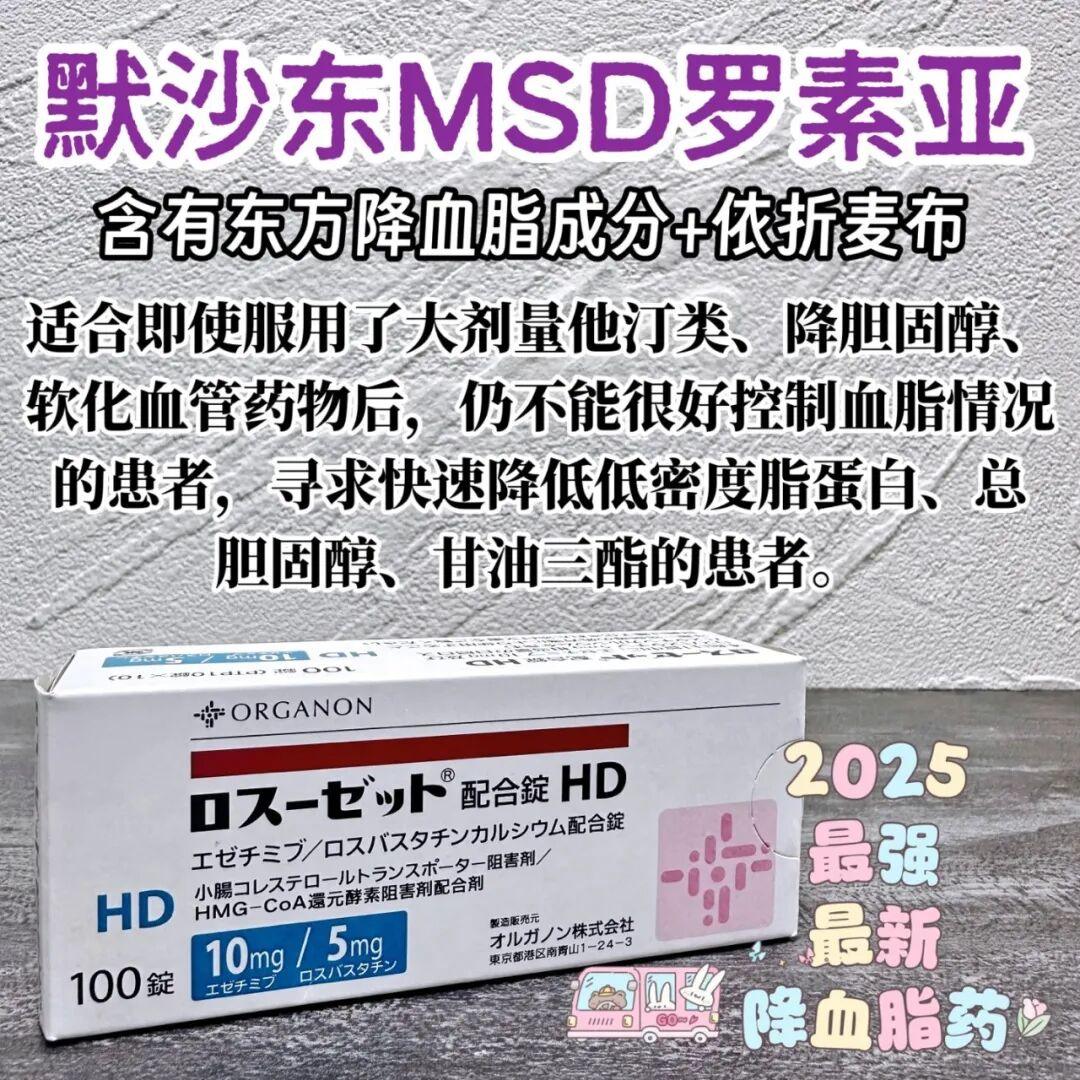
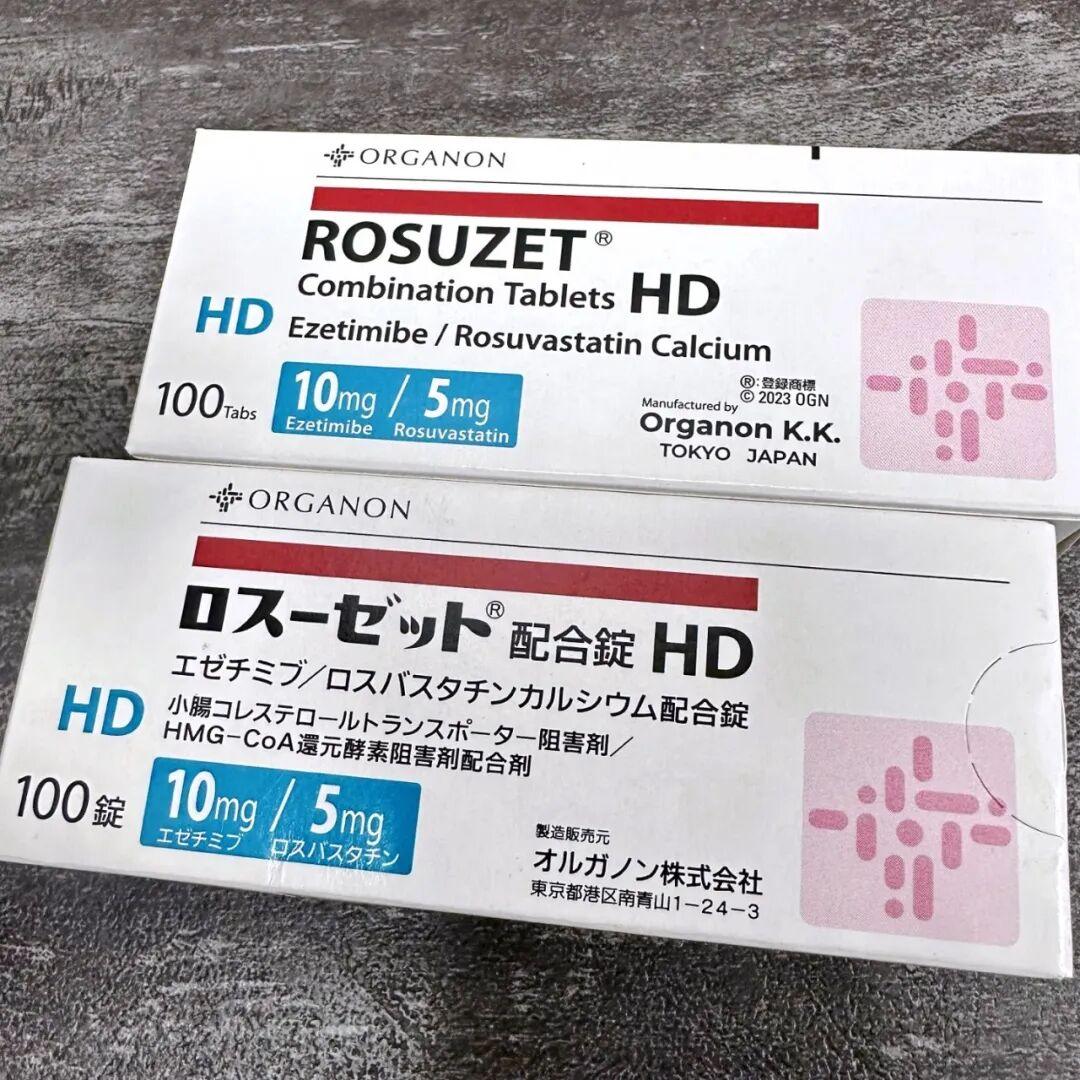
日本語原題:ロスーゼット配合錠HD

Published2025-04-09 12:21 Maker默沙东 FormTablet Content9 sections / 2 images Japanese nameロスーゼット配合錠HD
Ingredients / strength:
Active ingredient: ezetimibe / Japanese Pharmacopoeia Rosvastatin Calcium 10mg/5.2mg (5mg as losvastatin) Additives: lactose hydrate, crystalline cellulose, povidone, croscarmellose sodium, sodium lauryl sulfate, magnesium stearate, D-mannitol, low-substitution hydroxypropyl cellulose, hydroxypropyl cellulose.
English translation of the Japanese package insert is the main text; the Japanese original is shown alongside for verification. Use the language menu (top right) to read the page in another language. This site is for reference only — consult a doctor or pharmacist before use.
Section 1 · Feature description
English translation
This drug is a combination of ezetimibe, which selectively inhibits the absorption of cholesterol and plant sterols in the small intestine, and rosvastatin, which inhibits cholesterol biosynthesis.
Section 2 · Specifications
English translation
100 tablets [10 tablets (PTP)×10]
Section 3 · Characteristics
English translation
Round, plain lock, white
Section 4 · Ingredient Description
English translation
Active ingredient: ezetimibe / Japanese Pharmacopoeia Rosvastatin Calcium 10mg/5.2mg (5mg as losvastatin) Additives: lactose hydrate, crystalline cellulose, povidone, croscarmellose sodium, sodium lauryl sulfate, magnesium stearate, D-mannitol, low-substitution hydroxypropyl cellulose, hydroxypropyl cellulose.
Section 5 · Functions and indications
English translation
Hypercholesterolemia, familial hypercholesterolemia.
Section 6 · Usage and dosage
English translation
Typically, adults are given one tablet once daily (10mg/2.5mg or 10mg/5mg as ezetimibe/rosvastatin) orally after meals.
Section 7 · Important notes
English translation
1. This drug is a combination of ezetimibe 10 mg and rosvastatin as 2.5 mg or 5 mg, and since side effects may occur from both ezetimibe and rosvastatin, appropriate use should be considered. 2. Dietary therapy, which is fundamental for treating hypercholesterolemia, should be implemented in advance, and further consideration should be given to exercise therapy and the reduction of risk factors for ischemic heart disease such as hypertension and smoking. 3. During administration, regularly monitor blood lipid levels, and discontinue administration if no response to treatment is observed. 4. Perform liver function tests when switching from losuvastatin monotherapy to this drug. Also, liver function tests should generally be performed monthly up to 12 weeks after increasing rosvastatin, and thereafter regularly (such as once every six months). 5. Since thrombocytopenia may occur, perform thorough monitoring such as blood tests. 6. If hyperlipidemia is present due to secondary factors such as hypothyroidism, obstructive biliary tract disease, chronic renal failure, pancreatitis, or medications adversely affecting serum lipids, consider treatment with this drug after treating the underlying disease or switching medications as much as possible. 7. Regarding the combination of ezetimibe and fibrate-based drugs, experience with use is limited. When used together, be cautious of side effects such as gallstones. Fibrate drugs increase cholesterol excretion into bile, which can lead to gallstone formation. Ezetimibe has been reported to elevate cholesterol levels in gallbladder bile in dogs.
Section 8 · Side effects
English translation
1. Allergies (frequency unknown) There have been reports of hypersensitivity symptoms including anaphylaxis, angioedema, and rash. 2. Erythema multiforme (frequency unknown) 3. Rhabdomyolysis (frequency unknown) Rhabdomyolysis, characterized by muscle pain, weakness, increased CK, and increased myoglobin in blood and urine, may occur, and severe kidney damage such as acute kidney injury may occur; in such cases, discontinue administration immediately. 4. Myopathy (frequency unknown) Discontinue administration if extensive muscle pain, severe weakness, or marked increase in CK appear. 5. Immune-mediated necrotizing myopathy (frequency unknown) Immune-mediated necrotic myopathy characterized by proximal muscle weakness, high CK levels, non-inflammatory muscle fiber necrosis and anti-HMG-CoA reductase (HMGCR) antibody positivity has been reported during losavastatin administration, and there have been reports of persistent symptoms even after discontinuation, so the patient's condition should be closely monitored. There have been reports of improvement after immunosuppressant administration. 6. Hepatitis, liver dysfunction, jaundice (all unknown frequency) Hepatitis, liver dysfunction accompanied by elevated AST and ALT levels, and jaundice may occur. 7. Thrombocytopenia (frequency unknown) 8. Interstitial pneumonia (frequency unknown) Even with long-term administration, if fever, cough, difficulty breathing, abnormal chest X-ray, etc. are observed, discontinue administration and take appropriate measures such as administering corticosteroids. 9. Peripheral neuropathy (frequency unknown) Sensory disturbances such as numbness and numbness in the limbs, pain, or peripheral nerve disorders such as muscle weakness may appear. 10. Myasthenia Gravis (frequency unknown) Myasthenia gravis (ophthalmic and systemic types) may develop or worsen.
Section 9 · Taboo
English translation
1. Patients with a history of hypersensitivity to any component of this drug 2. Patients with severe liver dysfunction or those suspected to have impaired liver function, such as the following Acute hepatitis, acute exacerbations of chronic hepatitis, cirrhosis, liver cancer, jaundice 3. Pregnant women, women who may be pregnant, and breastfeeding mothers 4. Patients receiving cyclosporine

Source images

2 images

Need help sourcing Japanese medicines or OEM production?

💬