Respiratory · RESPIRATORY

PL adult cold medicine

日本語原題:PL配合顆粒

Published2025-04-23 07:34 FormGranule Content10 sections / 2 images Japanese namePL配合顆粒
Ingredients / strength:
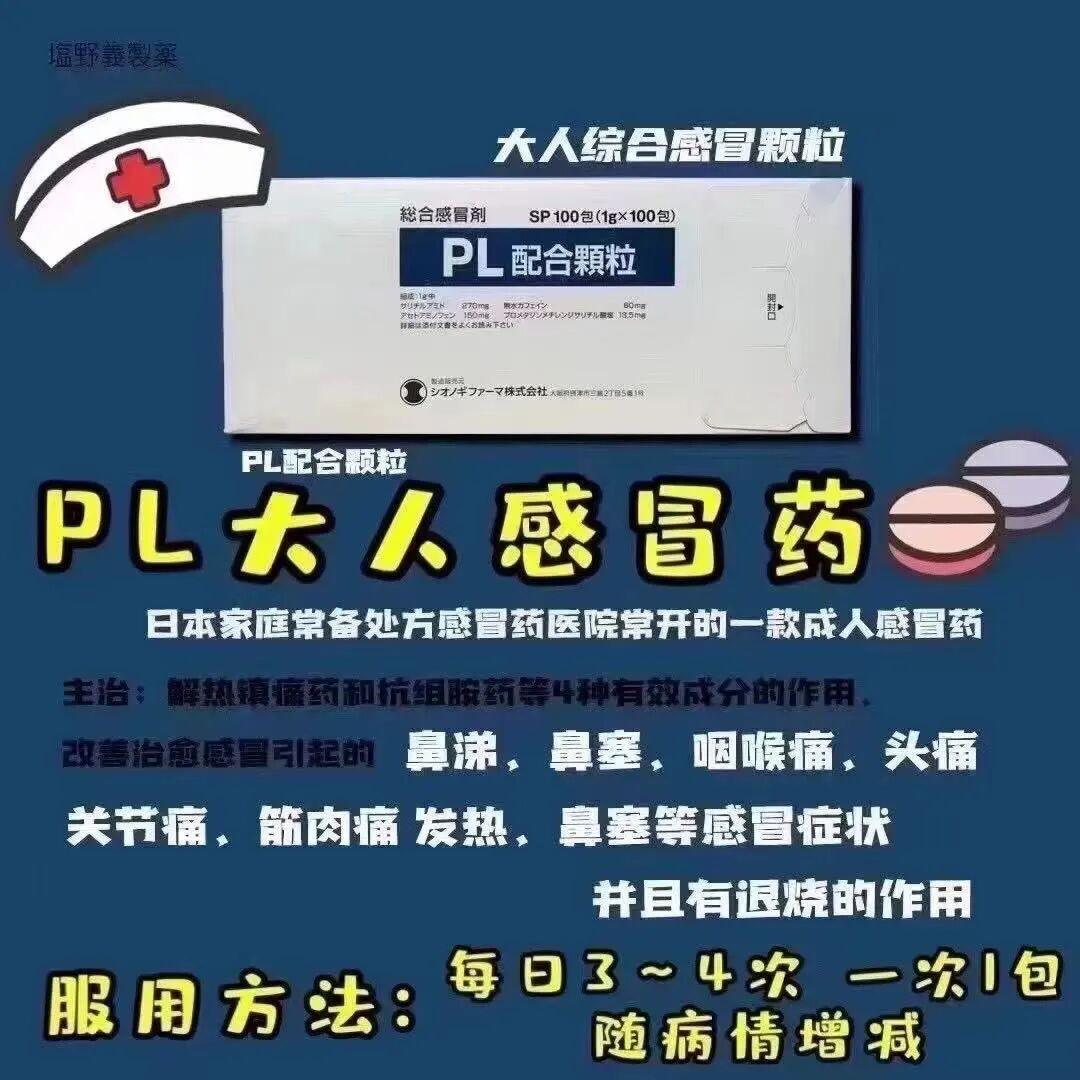
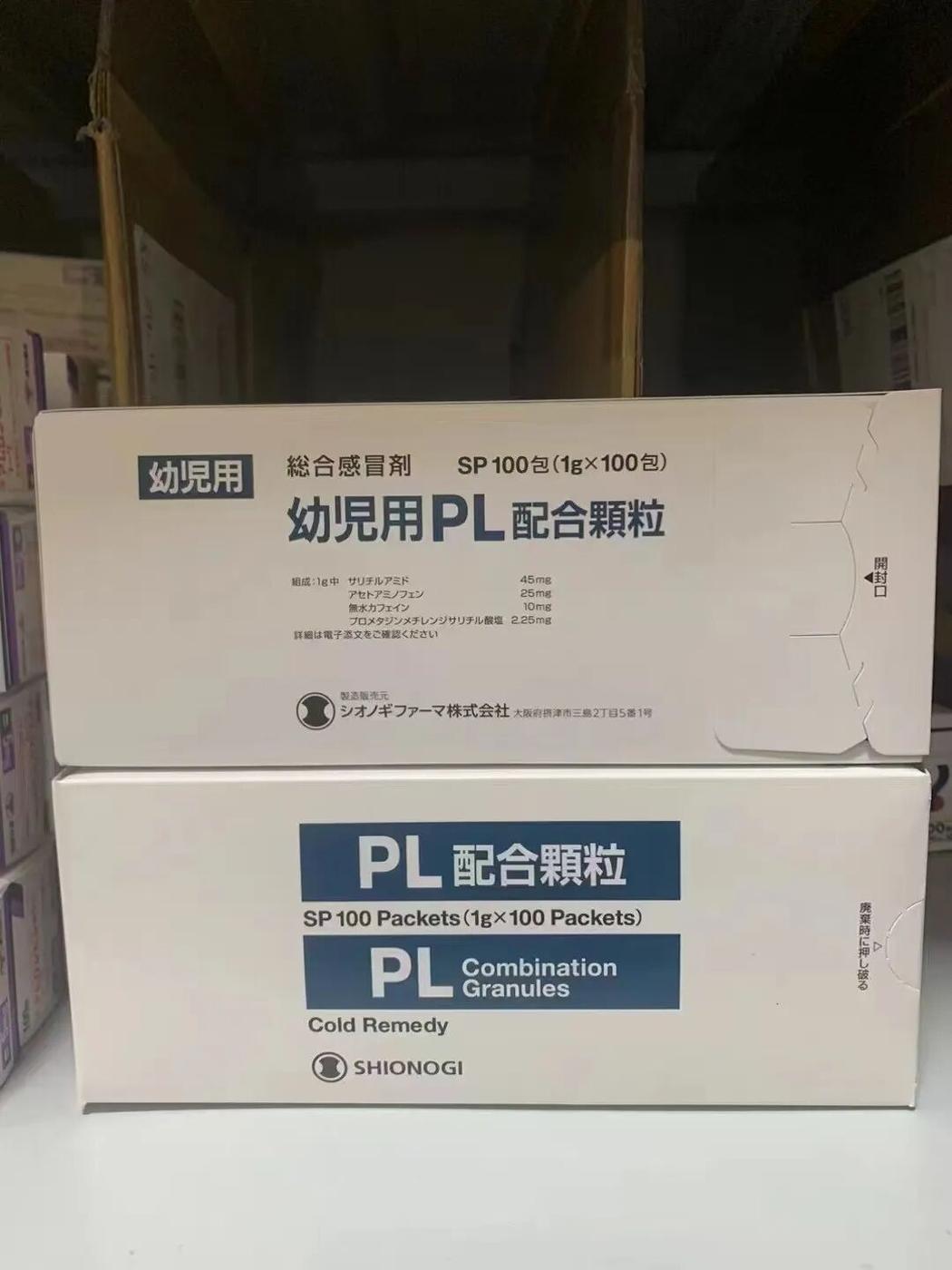
Active ingredients: per 1g, 270mg salicylamide, 150mg acetaminophen, 60mg anhydrous caffeine, 13.5mg promethazine methylenedenedisalicylate. Additives: lactose hydrate, corn starch, sodium chloride, white sugar, hydrated silicon dioxide.
English translation of the Japanese package insert is the main text; the Japanese original is shown alongside for verification. Use the language menu (top right) to read the page in another language. This site is for reference only — consult a doctor or pharmacist before use.
Section 1 · Feature description
English translation
Salicylamide (salicylic acid system) and acetaminophen (aminophenol group) act on the body temperature regulation center to dilate skin blood vessels, promote heat dissipation for antipyretic effects, and also exhibit peripheral analgesic effects. The central nervous system stimulation of caffeine activates mental functions and eliminates discomfort. Promethasine methylenedenedisalicylate is a phenothiazine-class antihistamine with antihistamine effects.
Section 2 · Specifications
English translation
100 packs [1g× 4 packs (SP) ×25].
Section 3 · Characteristics
English translation
It is a white granules.
Section 4 · Ingredient Description
English translation
Active ingredients: per 1g, 270mg salicylamide, 150mg acetaminophen, 60mg anhydrous caffeine, 13.5mg promethazine methylenedenedisalicylate. Additives: lactose hydrate, corn starch, sodium chloride, white sugar, hydrated silicon dioxide.
Section 5 · Functions and indications
English translation
Improvement and relief of the following symptoms associated with colds or upper respiratory tract infections: nasal discharge, nasal congestion, sore throat, headache, joint pain, muscle pain, and fever.
Section 6 · Usage and dosage
English translation
Typically, adults are given 1g orally four times a day. Adjust appropriately according to age and symptoms.
Section 7 · Important notes
English translation
Since drowsiness may occur, patients receiving this drug should be strictly advised not to engage in dangerous machinery such as driving a car.
Section 8 · Side effects
English translation
1. Shock, anaphylaxis (both with unknown frequency) Symptoms such as difficulty breathing, generalized flushing, angioedema, and hives may occur. 2. Toxic Epidermal Necrolysis (TEN), Stevens-Johnson syndrome, acute generalized exanthematous impetigosis, and exfoliative dermatitis (all of unknown frequency) 3. Drug-induced hypersensitivity syndrome (frequency unknown) Early symptoms include rash and fever, followed by liver dysfunction, lymphadenopathy, increased white blood cells, eosinophilia, and the appearance of atypical lymphocytes, resulting in delayed, severe hypersensitivity symptoms. Note that it often involves reactivation of viruses such as human herpesvirus 6 (HHV-6), and symptoms such as rash, fever, and liver dysfunction may recur or persist even after discontinuation, so caution is advised. 4. Aplastic anemia, pancytopenia, agranulocytosis, hemolytic anemia, thrombocytopenia (frequency unknown) 5. Induction of asthma attacks (frequency unknown) 6. Interstitial pneumonia, eosinophilic pneumonia (both frequency unknown) If abnormalities such as cough, difficulty breathing, fever, or lung sounds are observed, promptly perform chest X-ray, chest CT, serum markers, and other tests. If abnormalities are observed, discontinue administration and take appropriate measures such as adrenal corticosteroid therapy. 7. Fulminant hepatitis, liver dysfunction, jaundice (frequency unknown) 8. Sudden Infant Death Syndrome (SIDS) and infant sleep apnea (both frequency unknown) There have been reports of sudden infant death syndrome (SIDS) and infant sleep apnea attacks when promethazine preparations were administered to children (especially under 2 years old). 9. Interstitial nephritis, acute kidney injury (frequency unknown) 10. Rhabdomyolysis (frequency unknown) Rhabdomyolysis, characterized by muscle pain, weakness, elevated CK, and elevated myoglobin in blood and urine, may occur; in such cases, discontinue administration and take appropriate treatment. 11. Glaucoma (frequency unknown) Since glaucoma attacks may occur, if vision declines or eye pain occur, discontinue administration and take appropriate treatment. 12. Allergies Rash, edema, rhinitis-like symptoms, conjunctivitis. 13. Blood Cyanosis, granulocytopenia, thrombocytopenia, anemia. 14. Digestive system Loss of appetite, nausea, dry mouth, heartburn, stomach pain, vomiting, gastrointestinal bleeding. 15. Psychiatric and Nervous System Drowsiness, dizziness, fatigue, headache, tinnitus, hearing loss, visual disturbances, anxiety, agitation, nervousness, insomnia, convulsions, delirium. 16. Liver Liver dysfunction. 17. Kidneys Kidney impairment. 18. Circulator Increased blood pressure, hypotension, and tachycardia. 19. Others Hyperventilation, metabolic acidosis, urinary retention, sweating, coughing, tremors.
Section 9 · Taboo
English translation
1. Patients with a history of hypersensitivity to ingredients of this drug, salicylic acid preparations (such as aspirin), phenothiazine compounds, or similar compounds thereof 2. Patients with peptic ulcers [Salicylamide in this drug may worsen peptic ulcers. ] 3. Patients with aspirin-induced asthma or a history of it [The salicylamide in this drug may induce aspirin-induced asthma. ] 4. Patients in a coma or under strong influence of central nervous system depressants such as barbiturate derivatives or anesthetics [Promethasine methylenedisalicylate in this drug may enhance or persist coma, enhance central nervous system depressant effects, or prolong the duration of anesthetic action. ] 5. Patients with angle-closure glaucoma [The anticholinergic effect of promethazine methylenedenedisalicylate in this drug may increase intraocular pressure and worsen symptoms. ] 6. Patients with obstructive diseases of the lower urinary tract such as benign prostatic hyperplasia [Promethazine methylenedenedisalicylate in this drug has anticholinergic effects and may worsen urinary difficulty. ] 7. Infants under 2 years old 8. Patients with severe liver impairment
Section 10 · Warning
English translation
1. Be cautious as acetaminophen in this drug may cause severe liver damage. 2. Avoid concurrent use with other drugs containing acetaminophen (including over-the-counter drugs), as there is a risk of severe liver damage due to acetaminophen overdose.

Source images

2 images

Need help sourcing Japanese medicines or OEM production?

💬