Musculoskeletal · MUSCULOSKELETAL

Loracifen Hydrochloride

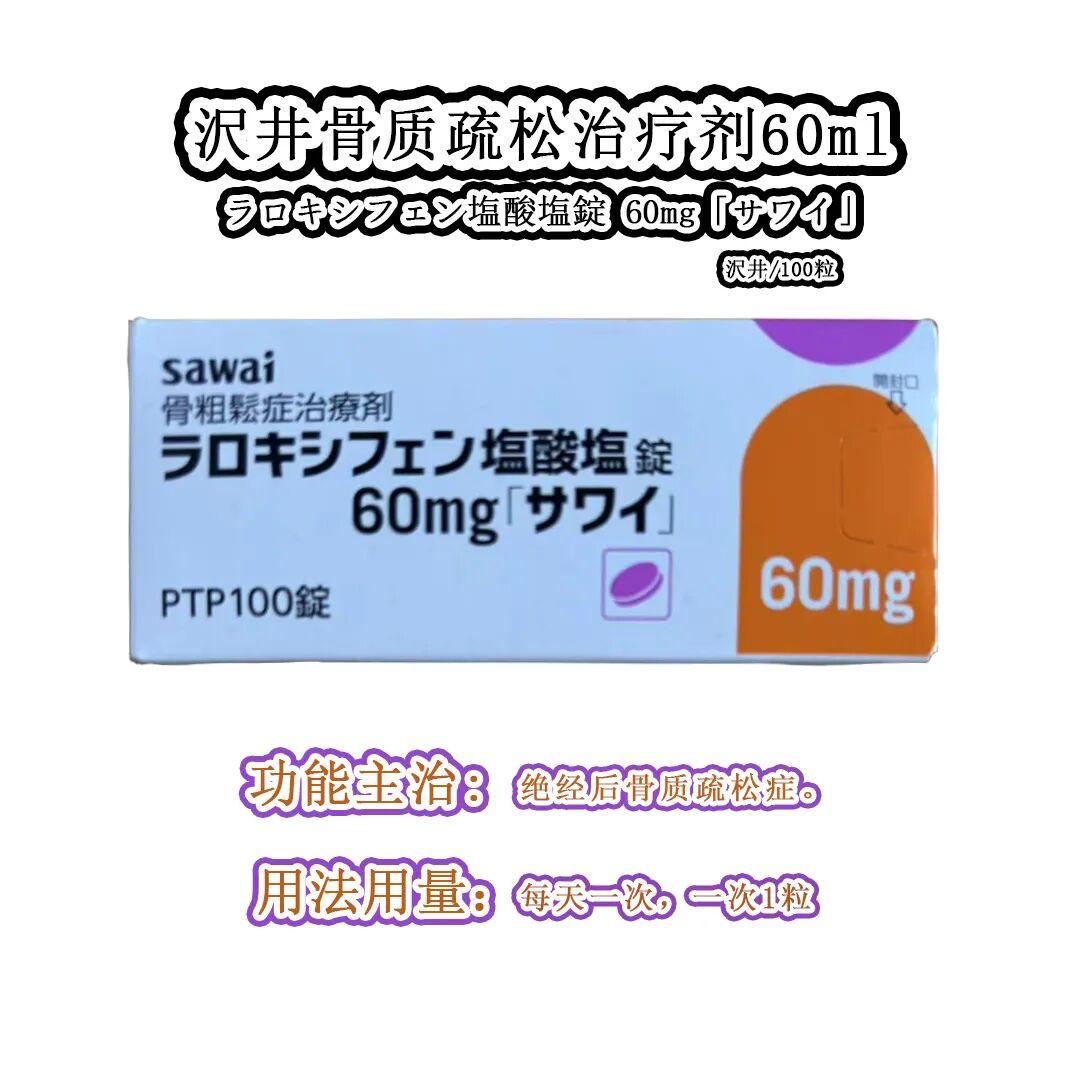
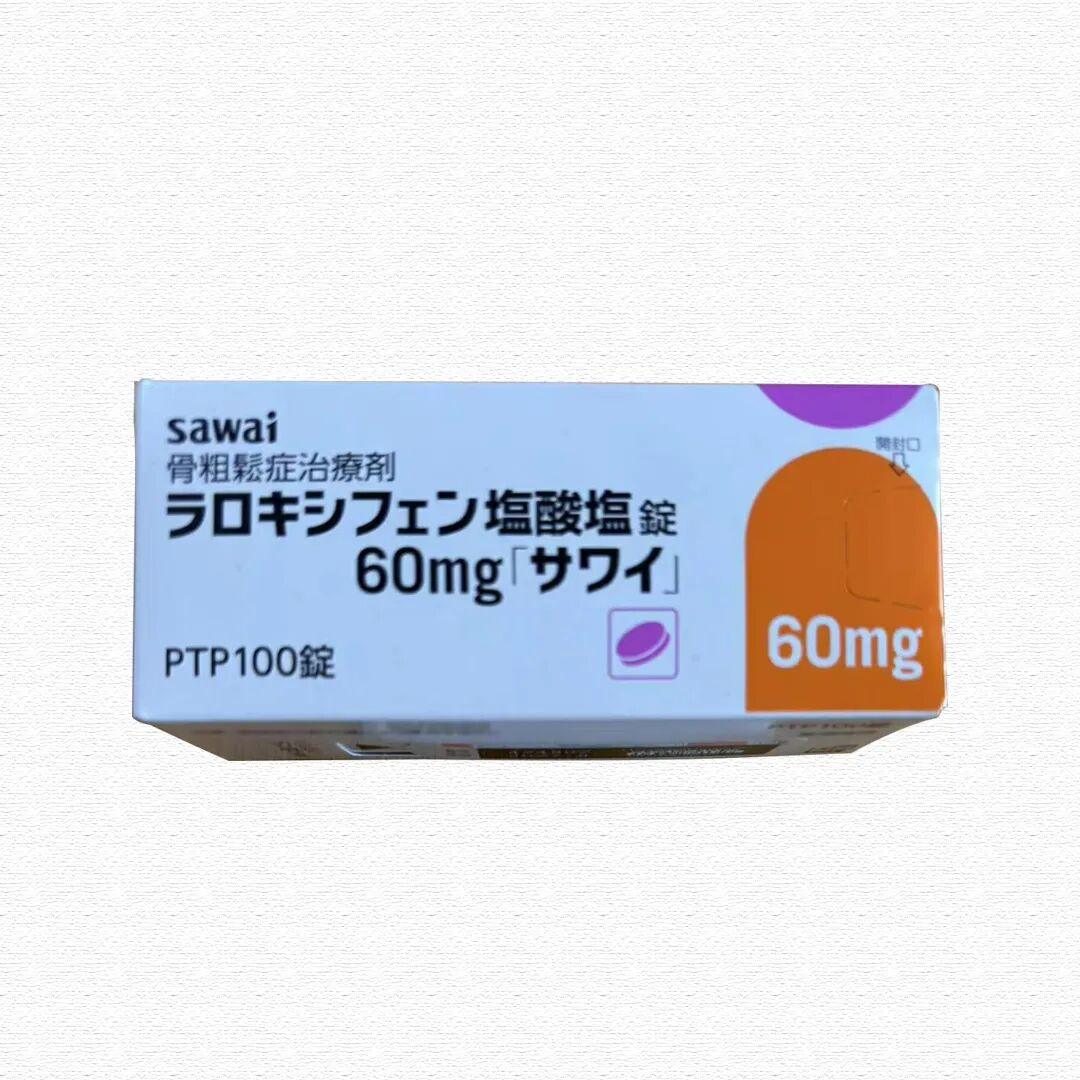
日本語原題:ラロキシフェン塩酸塩錠60mg「サワイ」

Published2025-06-25 07:57 Maker沢井 FormTablet Content9 sections / 2 images
English translation of the Japanese package insert is the main text; the Japanese original is shown alongside for verification. Use the language menu (top right) to read the page in another language. This site is for reference only — consult a doctor or pharmacist before use.
Section 1 · 01
English translation
Feature Description Laroxifene exerts its action through estrogen receptors. In bone, after binding to estrogen receptors, it exerts bone resorption inhibitory effects similar to estrogen via cytokines involved in bone metabolic turnover. It also exhibits similar effects to estrogen on lipid metabolism. In trials on uterine weight in ovariectomized rats, the estrogen 0.1mg/kg/day group increased uterine weight by 285%, while the raloxifen 0.01~10mg/kg/day group increased by 18% to 66%, but no dose responsiveness was observed. Furthermore, no increase in uterine weight was observed in oophorectomy rabbits (210 mg/day) and monkeys (1 and 5 mg/kg/day) after laroxifen administration. To confirm the presence or absence of mammary gland stimulation, lobule tissue volume was measured using oophorectomy monkeys, and no difference was observed between the raloxifen and control groups.
Section 2 · 02
English translation
Specifications PTP: 100 tablets (10 tablets × 10).
Section 3 · 03
English translation
Characteristics White, film-coated tablets.
Section 4 · 04
English translation
Ingredient Information Active ingredient [per tablet]: 60mg laroxifene hydrochloride. Additives: Carnaubaro, Crospovidone, Titanium Oxide, Mg Stearate, Talc, Lactose, Hypromellose, Povidone, Polysorbate 80, Macrogol 6000.
Section 5 · 05
English translation
Postmenopausal osteoporosis.
Section 6 · 06
English translation
Dosage and Administration Typically, 60 mg of laroxifen hydrochloride is administered orally once daily.
Section 7 · 07
English translation
Notes 1. Taking this drug may cause venous thromboembolism (including deep vein thrombosis, pulmonary embolism, and retinal vein thrombosis). Therefore, patients should be informed in advance to consult a physician immediately if any of the following symptoms appear. Symptoms: Lower limb pain and swelling, sudden difficulty breathing, shortness of breath, chest pain, acute visual impairment, etc. 2. Because the risk of venous thromboembolism (including deep vein thrombosis, pulmonary embolism, and retinal vein thrombosis) increases, discontinue this drug three days before entering a prolonged immobility phase (postoperative recovery phase, prolonged rest, etc.), and do not resume administration until full walking ability is achieved. 3. If the patient's intake of calcium and/or vitamin D is insufficient, supplement calcium and/or vitamin D separately.
Section 8 · 08
English translation
Side Effects 1. Venous thromboembolism (frequency unknown) Since deep vein thrombosis, pulmonary embolism, or retinal vein thrombosis may occur, discontinue administration if symptoms such as lower limb pain or edema, sudden difficulty breathing, shortness of breath, chest pain, or acute visual impairment occur. 2. Liver dysfunction (frequency unknown) Liver dysfunction accompanied by significant increases in AST, ALT, γ-GTP, and others may occur. 3. Other side effects (1) Blood: decreased hemoglobin, decreased hematocrit, decreased platelet count. (2) Endocrine and metabolic systems: decreased blood Al-P, decreased total serum protein, decreased serum albumin, decreased serum phosphorus, decreased blood calcium. (3) Digestive system; Nausea, abdominal bloating, and a wedge of the waist. (4) Liver: Increased γ-GTP (5) Skin: dermatitis, pruritus. (6) Genitals: vaginal secretions, benign increased intrauterine fluid. (7) Breast: Breast tightness. (8) Others: lower limb spasms, hot flashes, excessive sweating, sensory loss, peripheral edema, superficial thrombophlebitis, weight gain.
Section 9 · 09
English translation
taboo 1. Patients with venous thromboembolism such as deep vein thrombosis, pulmonary embolism, retinal vein thrombosis, or those with a history of these [these symptoms may worsen]. ] 2. Patients in a long-term immobile state (postoperative recovery phase, prolonged rest period, etc.) 3. Patients with antiphospholipid antibody syndrome [There are reports that they are more prone to venous thromboembolism.] ] 4. Pregnant women, women who may be pregnant, and breastfeeding women 5. Patients with a history of hypersensitivity to any component of this drug

Source images

2 images

Need help sourcing Japanese medicines or OEM production?

💬