Digestive · DIGESTIVE

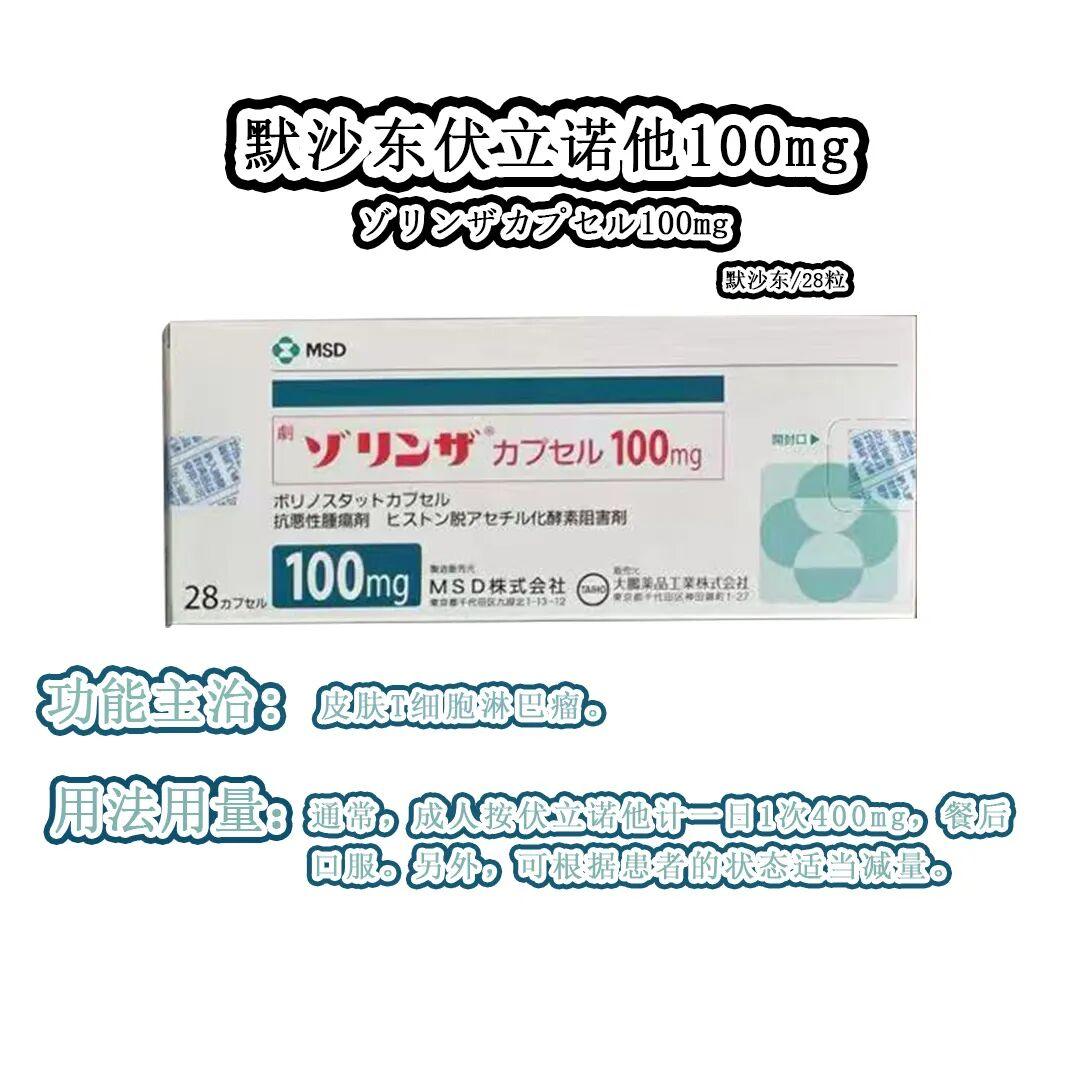
Vorinostat

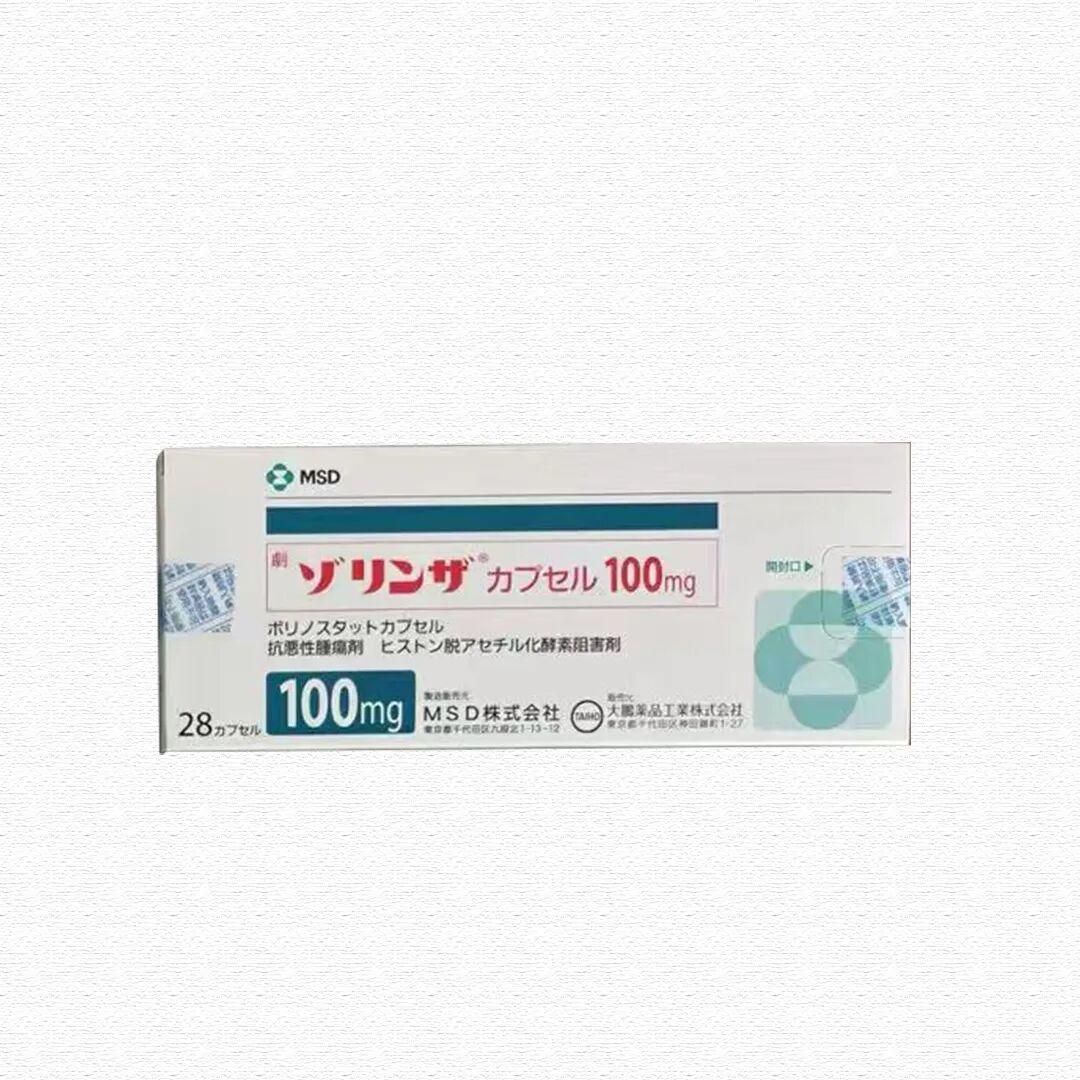
日本語原題:ゾリンザカプセル100mg

Published2025-06-27 19:30 Maker默沙东 FormCapsule Content10 sections / 2 images
Ingredients / strength:
Volinistat 100mg
English translation of the Japanese package insert is the main text; the Japanese original is shown alongside for verification. Use the language menu (top right) to read the page in another language. This site is for reference only — consult a doctor or pharmacist before use.
Section 1 · 01
English translation
Feature Description Borinostat inhibits the enzymatic activity of histone deacetylase (HDACs) HDAC1, HDAC2, and HDAC3 (class I), as well as HDAC6 (class IIb). When HDAC inhibition increases acetylation of histones and other components, it is presumed that gene expression including tumor suppressor genes is increased through relaxation of chromatin structure, inducing differentiation and apoptosis, thereby suppressing tumor growth. However, the detailed mechanism of action has not been elucidated.
Section 2 · 02
English translation
Specifications 28 capsules [14 capsules (PTP)×2].
Section 3 · 03
English translation
Characteristics White hard capsule form.
Section 4 · 04
English translation
Ingredient Information Active ingredient: Borinostat 100mg Additives: crystalline cellulose, croscarmellose sodium, magnesium stearate capsules Cell body: gelatin, titanium oxide.
Section 5 · 05
English translation
Indications Cutaneous T-cell lymphoma.
Section 6 · 06
English translation
Dosage and Administration Typically, adults receive 400 mg of vorinostat orally once daily after meals. Dose reduction is adjusted as needed depending on the patient's condition.
Section 7 · 07
English translation
Notes 1. Dehydration symptoms may occur, so fluids and electrolyte supplementation should be performed as needed. Also, when administering, instruct patients on signs of dehydration and precautions to avoid dehydration. If excessive vomiting, diarrhea, or similar symptoms are observed, instruct patients to see a doctor. 2. Since hyperglycemia may occur, regularly measure blood glucose levels before and after starting administration. Also, before starting this drug, it is important to properly control blood sugar levels. 3. Since thrombocytopenia, anemia, renal dysfunction, etc., may occur, regular blood tests (including blood cell count and biochemical tests including electrolytes/serum creatinine) should be performed during administration of this drug.
Section 8 · 08
English translation
Side Effects 1. Pulmonary embolism (4.7%), deep vein thrombosis (1.2%) 2. Thrombocytopenia (25.6%) 3. Anemia (12.8%) 4. Dehydration symptoms (1.2%) 5. Hyperglycemia (4.7%) 6. Renal failure (frequency unknown*) 7. Other side effects (1) Infections: Streptococcal bacteremia, diverticulitis. (2) Blood: neutropenia, leukopenia, decreased lymphocyte count, hemolysis. (3) Mental and nervous system: Floating dizziness, headache, sensory hallucinations, drowsiness, fainting, ischemic stroke. (4) Cardiovascular system: hypertension, palpitations, hypotension, vasculitis. (5) Respirator: difficulty breathing, coughing, coughing up blood. (6) Gastrointestinal: diarrhea, nausea, dry mouth, vomiting, constipation, abdominal pain, upper abdominal pain, gastroesophageal reflux disease, gastrointestinal bleeding, swallowing disorders. (7) Hepatobiliary system: increased ALT, increased AST, hepatic ischemia, hyperbilirubinemia. (8) Skin: alopecia, skin peeling, hyperhidrosis. (9) Urinary system: increased blood creatinine, proteinuria, hematuria, urinary retention. (10) Electrolytes: hypermagnesemia, hypokalemia, hyponatremia. (11) Others: muscle spasms, taste disturbances, fatigue, chills, loss of appetite, weight loss, loss of taste, fever, chest pain, peripheral edema, cold sensation, angionic edema, tumor bleeding, blurred vision, hearing loss, asthenia, hypertriglyceridemia, fatigue.
Section 9 · 09
English translation
taboo 1. Patients with a history of hypersensitivity to any component of this drug 2. Patients with severe liver impairment
Section 10 · 10
English translation
Warning When administering this drug, it should only be administered in medical facilities capable of handling emergencies under the guidance of physicians with sufficient knowledge and experience in cancer chemotherapy, and in cases where it is deemed appropriate. Also, before starting treatment, fully explain the efficacy and risks to the patient or their family, and only administer after obtaining consent.

Source images

2 images

Need help sourcing Japanese medicines or OEM production?

💬