Takeda Smurfs melatonin
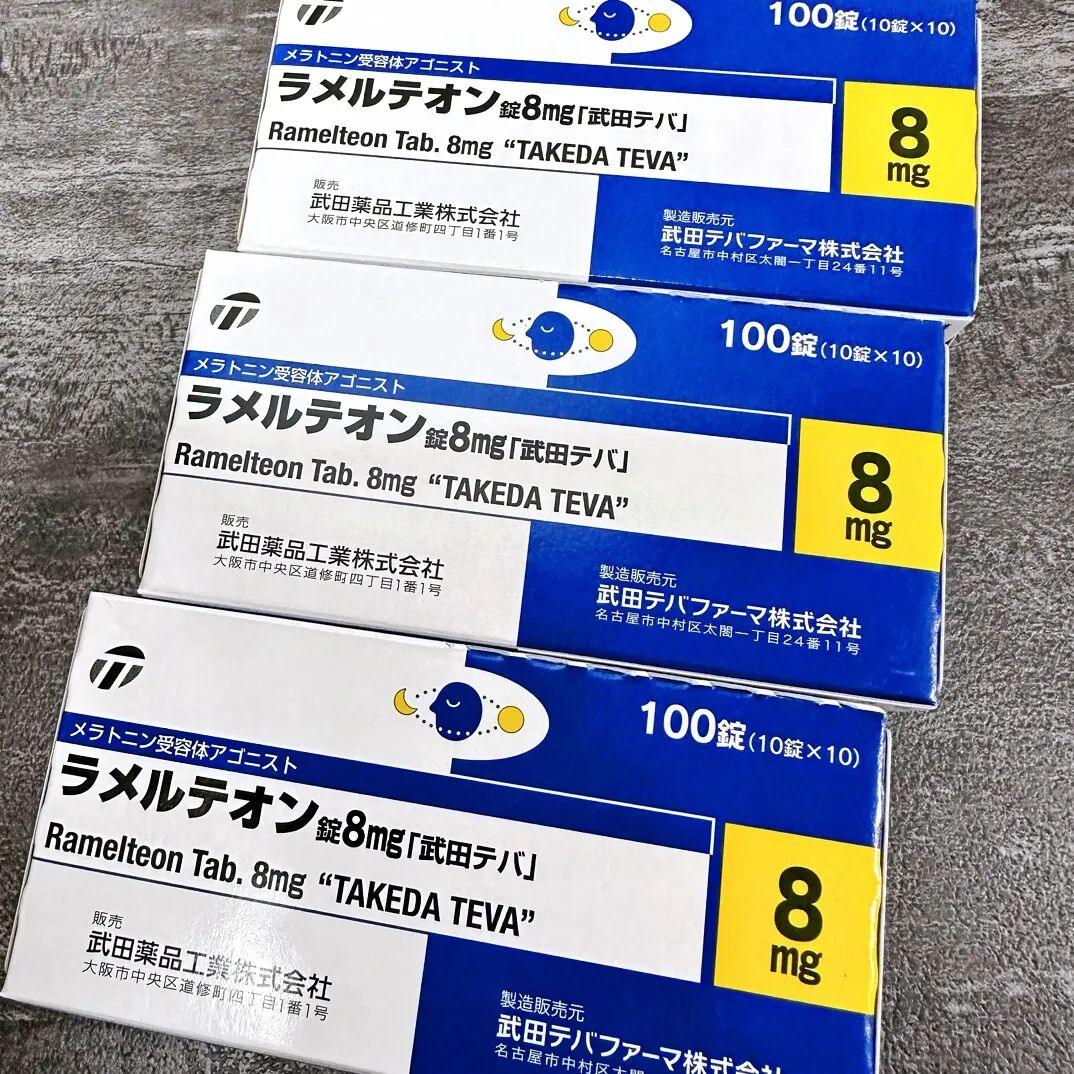
日本語原題:ラメルテオン錠8mg「武田テバ」
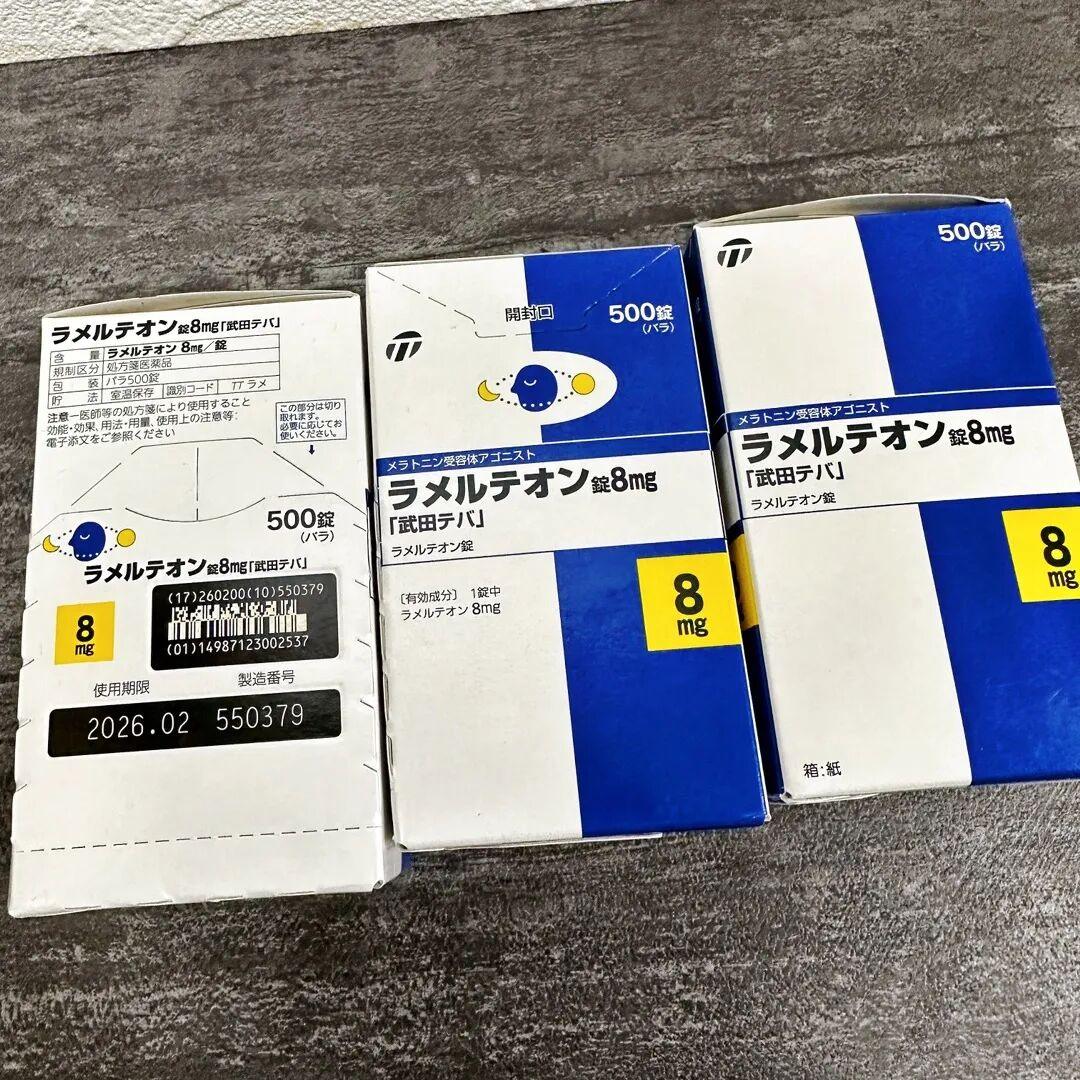
Active ingredient: 8mg of Lamelteon per tablet. Additives: lactose hydrate, corn starch, hydroxypropyl cellulose, magnesium stearate, hypromellose, copovidone, titanium oxide, yellow trioxide, macrogol 6000.
Source images
2 imagesThe artwork keeps its original Japanese/Chinese lettering. Open “Text in this image” under a picture to read what it says in your language (machine-read, may contain errors).
Text in this image machine-read · may contain errors
100 ingots (10×10) × 8mg tablets of 'Takeda Ba' Lame ↓ Leteon Tablets 8 yards "Takeda Tepa" Takeda Goods Industries, Limited 4-chome Doshomachi, Chuo Ward, Oban City, 1-1 Takeda Hachi Co., Ltd. 1-24-11 Taken, Nakamura-ku, Nagoya City 100 ingots (10 ingots ×10) Only 8mg tablets of 'Takeda Hachi' Ramelteon Tab.8mg"TAKEDA TEVA" Takeda Leaf Products Co., Ltd. 4-1-1 Doshomachi, Chuo-ku, Osaka City Takeda Teha Pharma Co., Ltd. Only 8mg of Takeda Melatonin receptor agonist Lamelteon Tablets 8mg "Takeda Tepa" Takeda Vegetable Industry Sock Style Company 1-1 Doshomachi Yoji, Chuo-ku, Osaka City Takeda Tepa Pharma Kaiichi Nagoya City Center
100锭(10×10) ×儿才锭8mg「武田八 ラメ ↓ レテオン錠 8 碼「武田テパ」 武田品工業株式会社 大版市中央区道修町四丁目1器1号 武田八株式会社 名古屋市中村区太圈一丁目24番11号 100锭(10锭×10) 才锭8mg「武田八 Ramelteon Tab.8mg"TAKEDA TEVA" 武田葉品工業株式会社 大阪市中央区道修町四丁目1番1号 武田テハファーマ株式会社 才8mg「武田 メラトニン受容体アゴニスト ラメルテオン錠 8mg 「武田テパ」 武田菜品工业袜式会社 大阪市中央区道修町四自1番1号 武田テパファーマ株一 名古屋市中
100 ingots (10×10) × 8mg tablets of 'Takeda Ba' Lame ↓ Leteon Tablets 8 yards "Takeda Tepa" Takeda Goods Industries, Limited 4-chome Doshomachi, Chuo Ward, Oban City, 1-1 Takeda Hachi Co., L…
Text in this image machine-read · may contain errors
Lamerteon Cake 8 Shrine 'Takeda Tepa' Lamelteon Deposit Room, Cancellation, Suspension Transfer, 0 Damn Glitter Caution – Use according to a prescription from a professional or similar Youth and encouragement, usage and dosage, precautions for use, etc.: Please refer to the electronic attachment Ramelteon mg 500 ingots Lamertheon Sleep Lamelteon Tablets Lamelteon Bite 8 yards Fuda Tepa" (17)260200(10)550379 Ramelteon 8mg (01)14987123002537 Expiration Date Deeply
ラメルテオン齪 8 祀「武田テパ」 ラメルテオン 貯法室退保停引 0 ードなラメ 注意ー師等の処方箋により使用すること 幼能·劝果、用法·用量、使用上の注意等: 電子添文をご第照ください ラメルテオン mg 500锭 ラメルテオン眠 ラメルテオン錠 ラメルテオン齪 8 碼賦田テパ」 (17)260200(10)550379 ラメルテオン 8mg (01)14987123002537 使用期限 にドしツ冖
Lamerteon Cake 8 Shrine 'Takeda Tepa' Lamelteon Deposit Room, Cancellation, Suspension Transfer, 0 Damn Glitter Caution – Use according to a prescription from a professional or similar Youth…