Neuro & Psychiatric · NERVOUS

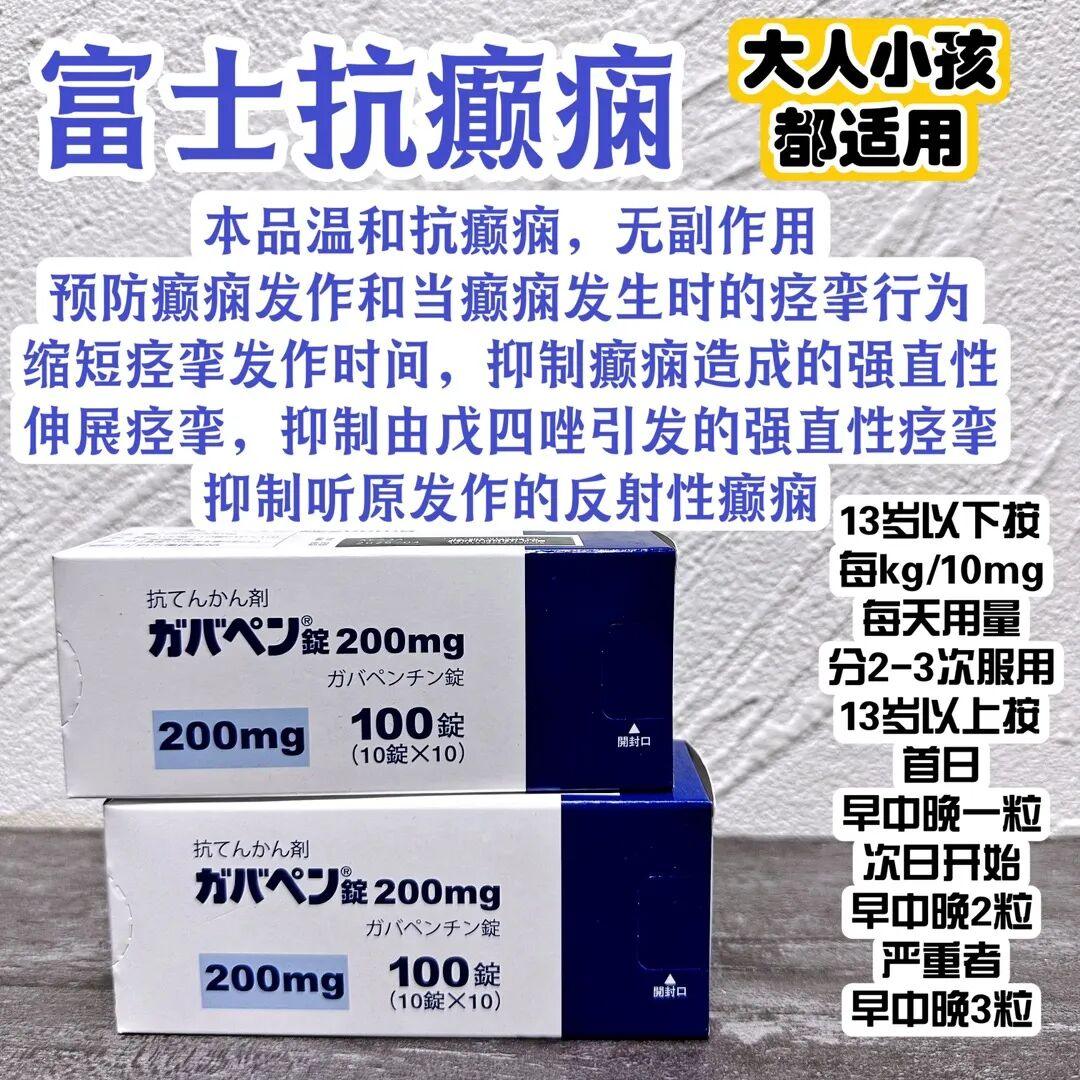
Fuji antiepileptic

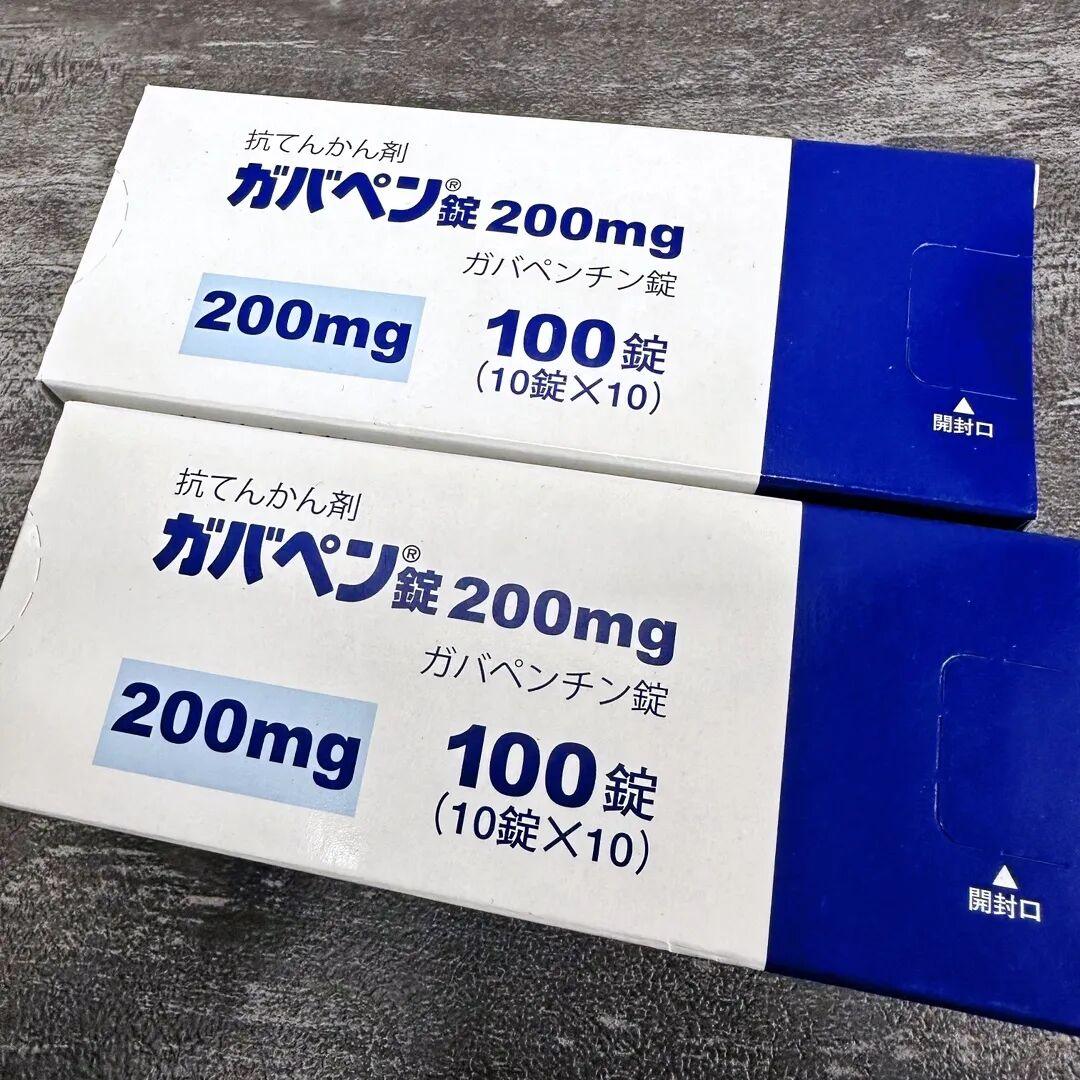
日本語原題:ガバペン錠200mg

Published2025-03-21 12:58 Maker富士 FormTablet Content9 sections / 2 images Japanese nameガバペン錠200mg
Ingredients / strength:
Active ingredient: 200.00mg of gabapentin per tablet. Additives: talc, hydroxypropyl cellulose, hypromellose, triacetin, propylene glycol, copovidone, polyoxyethylene polyoxypropylene glycol, magnesium stearate.
English translation of the Japanese package insert is the main text; the Japanese original is shown alongside for verification. Use the language menu (top right) to read the page in another language. This site is for reference only — consult a doctor or pharmacist before use.
Section 1 · Feature description
English translation
The mechanism of action of gabapentin's anticonvulsant effect is unknown, but it is suggested that gabapentin does not bind to various receptors, including GABA-related receptors, or major ion channels, and thus exerts anticonvulsant effects through a mechanism different from existing epilepsy drugs. It is believed to contribute by binding to the α2δ subunit of voltage-dependent calcium channels, suppressing calcium inflow at the presynaptic and suppressing the release of excitatory neurotransmitters. Additionally, it has been found to increase GABA levels in the brain, but its contribution remains unknown.
Section 2 · Specifications
English translation
100 tablets [10 tablets (PTP)×10]
Section 3 · Characteristics
English translation
White film-coated locks.
Section 4 · Ingredient Description
English translation
Active ingredient: 200.00mg of gabapentin per tablet. Additives: talc, hydroxypropyl cellulose, hypromellose, triacetin, propylene glycol, copovidone, polyoxyethylene polyoxypropylene glycol, magnesium stearate.
Section 5 · Functions and indications
English translation
Combination therapy with antiepileptic drugs for partial seizures (including secondary generalized seizures) in epilepsy patients whose effects are insufficient with other antiepileptic drugs.
Section 6 · Usage and dosage
English translation
Typically, adults and children aged 13 and older are given oral gabapentin at 600 mg daily on the first day and 1200 mg daily on the second day, divided into three doses. From day 3 onward, the maintenance dose of 1200mg~1800mg per day is administered orally in three divided doses. The dose may be adjusted as needed depending on symptoms, but the maximum daily dose is limited to 2400 mg. Typically, infants and children aged 3~12 years are given oral gabapentin at 10 mg/kg daily on the first day and 20 mg/kg on the second day, divided into three doses. From day 3 onward, maintain the dose as follows: 40 mg/kg per day for infants aged 3~4 years, and 25~35 mg/kg for infants and children aged 5~12 years, divided orally into three doses. Adjust the dose appropriately depending on symptoms, but the maximum daily dose is limited to 50 mg/kg. At any time, the dosage shall not exceed the dose for adults and children aged 13 years and older.
Section 7 · Important notes
English translation
1. Rapid dose reduction or discontinuation during continuous use may cause exacerbation of epileptic seizures or status epilepticus; therefore, if discontinuing administration, proceed with caution, such as gradually reducing the dose over at least one week. 2. Since weight gain may occur with administration of this drug, pay attention to obesity, and if signs of obesity appear, take appropriate measures such as dietary therapy and exercise therapy. In particular, since increased dosage or weight gain may occur with long-term administration, regular weight measurement is essential. 3. Sleep and decreased attention, concentration, and reflex motor skills may occur; therefore, patients receiving this drug should be careful not to engage in dangerous machinery operation such as driving a car. 4. Administering this drug may cause eye disorders such as amblyopia, visual abnormalities, blurred vision, and diplopia. Therefore, be cautious during examination by conducting a medical interview about the eye disorder, and take appropriate measures if any abnormalities are detected.
Section 8 · Side effects
English translation
1. Acute kidney injury (frequency unknown) 2. Stevens-Johnson Syndrome (frequency unknown) 3. Drug-induced hypersensitivity syndrome (frequency unknown) Early symptoms include rash and fever, followed by organ damage such as liver dysfunction, lymph node swelling, increased white blood cells, eosinophils, and the appearance of atypical lymphocytes, resulting in delayed, severe hypersensitivity symptoms. Please note that symptoms such as rash, fever, and liver dysfunction may relapse or prolong, so caution is advised. 4. Hepatitis (frequency unknown), liver dysfunction (frequency unknown), jaundice (frequency unknown) 5. Rhabdomyolysis (frequency unknown) If muscle pain, weakness, increased CK, or increased myoglobin in blood and urine occur, discontinue administration and take appropriate measures. Also, be cautious of the onset of acute kidney damage caused by rhabdomyolysis. 6. Anaphylaxis (frequency unknown) Anaphylaxis (angioedema, difficulty breathing, etc.) may occur.
Section 9 · Taboo
English translation
Patients with a history of hypersensitivity to any component of this drug.

Source images

2 images

Need help sourcing Japanese medicines or OEM production?

💬