Respiratory · RESPIRATORY

Montelukast Sodium

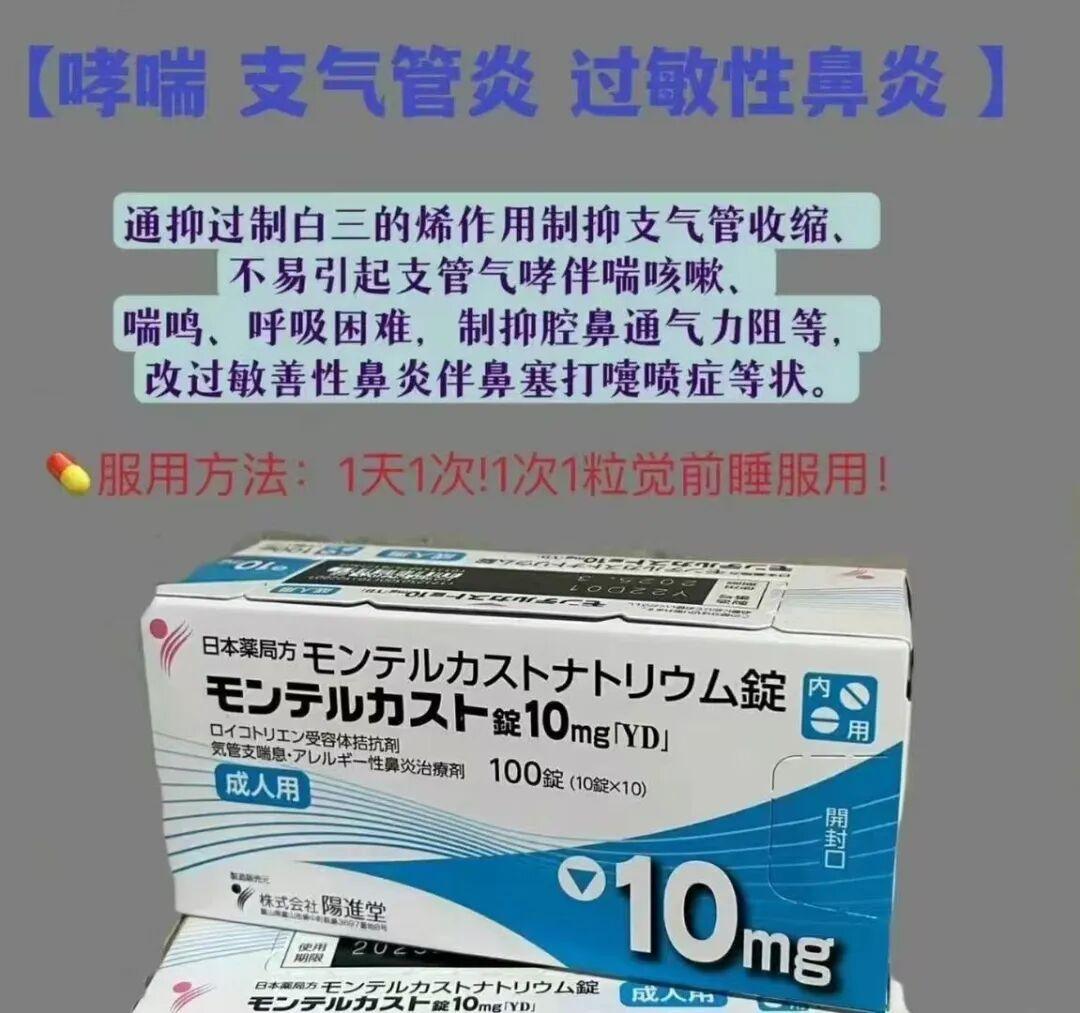
日本語原題:モンテルカスト錠10mg「YD」

Published2025-05-08 18:38 FormTablet Content9 sections / 1 images
Ingredients / strength:
Active ingredient: 10.4mg of sodium montelcaste per tablet (10mg as montelcast). Additives: D-mannitol, anhydrous silica, hydroxypropyl cellulose, cellulose, calcium hydrogen phosphate, magnesium stearate, hypromellose, propylene glycol, talc, titanium dioxide, ferric oxide.
English translation of the Japanese package insert is the main text; the Japanese original is shown alongside for verification. Use the language menu (top right) to read the page in another language. This site is for reference only — consult a doctor or pharmacist before use.
Section 1 · Feature description
English translation
〈Bronchial Asthma〉 Montelucaste selectively binds to cystinylleukotriene type 1 receptors (Cys LT1 receptors) and suppresses the pathophysiological effects of inflammatory mediators LTD4 and LTE4 (such as bronchoconstriction, increased vascular permeability, and increased mucus secretion). Based on this mechanism of action, montelkast acts as an antiasthmatic agent, improving various factors of asthmatic inflammation. 〈Allergic Rhinitis〉 In allergic rhinitis, after antigen exposure, cysteynyl leukotriene is released from the nasal mucosa in both immediate and delayed phases. Its release is associated with the onset of symptoms of allergic rhinitis. Additionally, intranasal administration of cystinyl leukotriene has been shown to increase nasal ventilation resistance and worsen nasal congestion symptoms. It is suggested that montelkast plays an important role in alleviating allergic rhinitis symptoms by blocking the action of leukotriene receptors.
Section 2 · Specifications
English translation
100 tablets [10 tablets (PTP)×10].
Section 3 · Characteristics
English translation
Light orange film-coated locks.
Section 4 · Ingredient Description
English translation
Active ingredient: 10.4mg of sodium montelcaste per tablet (10mg as montelcast). Additives: D-mannitol, anhydrous silica, hydroxypropyl cellulose, cellulose, calcium hydrogen phosphate, magnesium stearate, hypromellose, propylene glycol, talc, titanium dioxide, ferric oxide.
Section 5 · Functions and indications
English translation
1. Bronchial Asthma 2. Allergic rhinitis
Section 6 · Usage and dosage
English translation
1. 〈Bronchial Asthma〉 Typically, adults receive 10 mg of montelcaste orally once daily before bedtime. 2. 〈Allergic Rhinitis〉 Typically, adults receive 5~10 mg of montelcaste orally once daily before bedtime.
Section 7 · Important notes
English translation
〈Common Effects〉 1. Patients who have been able to reduce the maintenance steroid dose by administration of this drug and discontinue administration of this drug should be cautious as there is a risk of recurrence of the underlying disease. 2. Although the causal relationship with this drug is unclear, psychiatric symptoms including depression, suicidal ideation, suicide, and aggressive behavior have been reported, so the patient's condition should be closely monitored. 3. There have been reports of eosinophilic polyangiitis granulomatosis-like vasculitis during the use of leukotriene antagonists, including this drug. These symptoms generally occur when oral steroid medications are reduced or discontinued. When using this drug, pay particular attention to changes in eosinophil count, numbness, limb weakness, fever, joint pain, and vasculitis symptoms such as lung infiltration. 4. If no effect is observed after administration of this drug, be careful not to administer it indiscriminately for a long period. 〈Bronchial Asthma〉 1. Patients should be thoroughly informed that this drug should continue not only during asthma exacerbations but also when asthma is well controlled. 2. Unlike bronchodilators or steroids, this drug does not relieve an existing asthma attack, so this must be thoroughly explained to the patient. 3. If a major seizure occurs during administration of this drug, bronchodilators or steroids must be administered.
Section 8 · Side effects
English translation
1. Anaphylaxis (frequency unknown) 2. Angioedema (frequency unknown) 3. Fulminant hepatitis, hepatitis, liver dysfunction, jaundice (all frequency unknown) 4. Toxic epidermal necrolysis (TEN), Stevens-Johnson syndrome, erythema multiforme (all unknown frequency) 5. Thrombocytopenia (frequency unknown) Early symptoms may include purpura, nosebleeds, and bleeding gums. 6. Allergies Rash, itching, hives, and eosinophilic infiltration of the liver. 7. Psychiatric and Nervous System Headache, drowsiness, false dreams, irritability, emotional anxiety, convulsions, insomnia, hallucinations, dizziness, sensory disturbances (such as numbness), agitation, tremors, sleepwalking, disorientation, decreased concentration, memory impairment, delirium, obsessive-compulsive symptoms. 8. Respirators Pulmonary eosinophilia. 9. Digestive System Diarrhea, abdominal pain, stomach discomfort, nausea, heartburn, vomiting, constipation, indigestion, stomatitis. 10. Liver Liver dysfunction abnormalities, increased A ST, increased ALT, increased Al-P, increased γ-GTP, and increased total bilirubin. 11. Musculoskeletal System Muscle pain including muscle spasms, joint pain. 12. Others Dry mouth, occult blood in the urine, hematuria, urine sugar, edema, fatigue, increased white blood cell count, increased protein in urine, elevated triglycerides, bleeding tendency (nosebleeds, purpura, etc.), bruises, palpitations, frequent urination, fever, weakness, fatigue, hair loss, and enuresis.
Section 9 · Taboo
English translation
Patients with a history of hypersensitivity to any component of this drug.

Source images

1 images

Need help sourcing Japanese medicines or OEM production?

💬