Cardiovascular · CARDIOVASCULAR

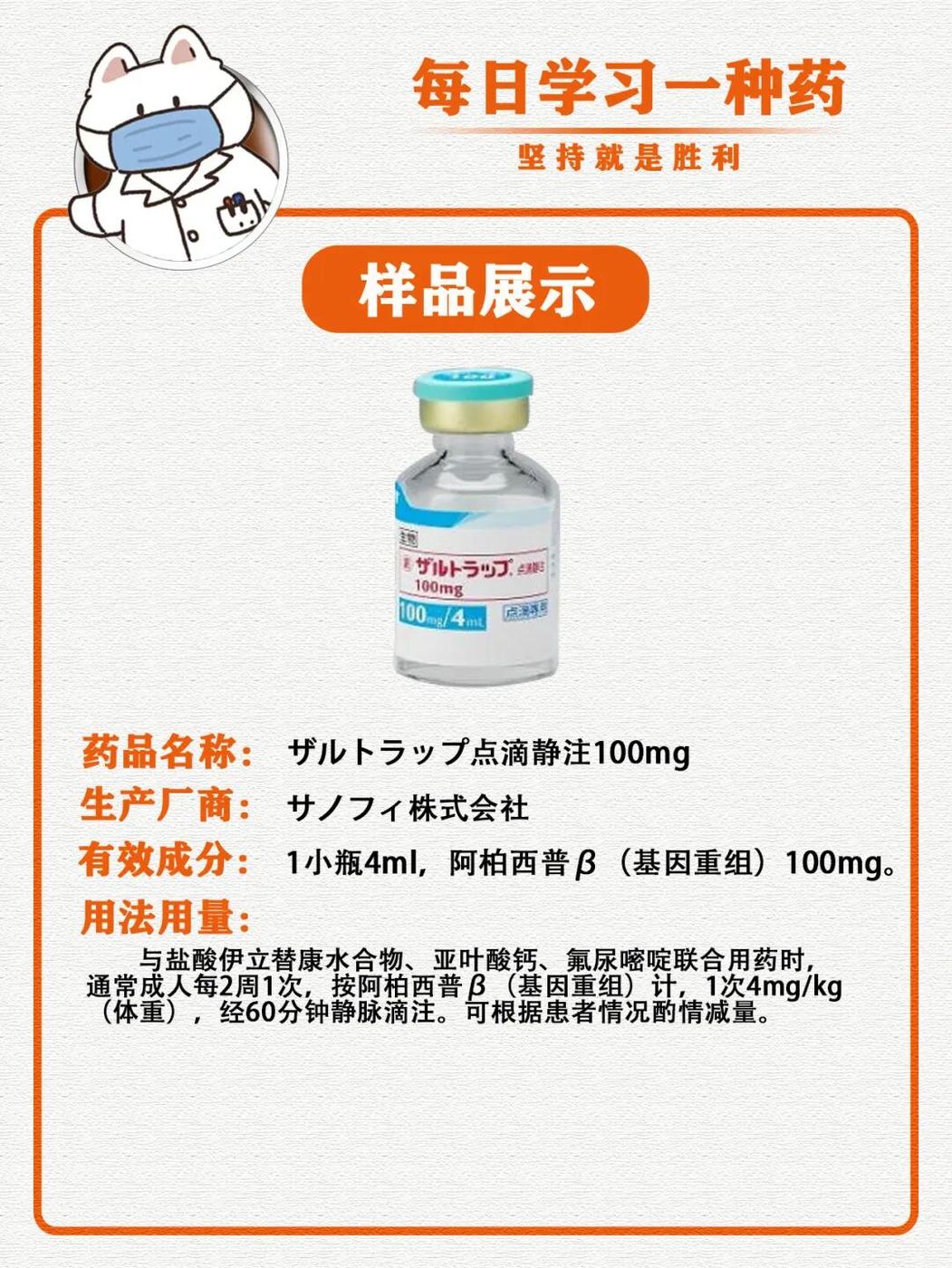
aflibercept β

日本語原題:ザルトラップ点滴静注100mg

Published2026-04-19 17:17 Content10 sections / 2 images
Ingredients / strength:
Afribelceptbeta (genetically modified) 100mg.
English translation of the Japanese package insert is the main text; the Japanese original is shown alongside for verification. Use the language menu (top right) to read the page in another language. This site is for reference only — consult a doctor or pharmacist before use.
Section 1 · 01
English translation
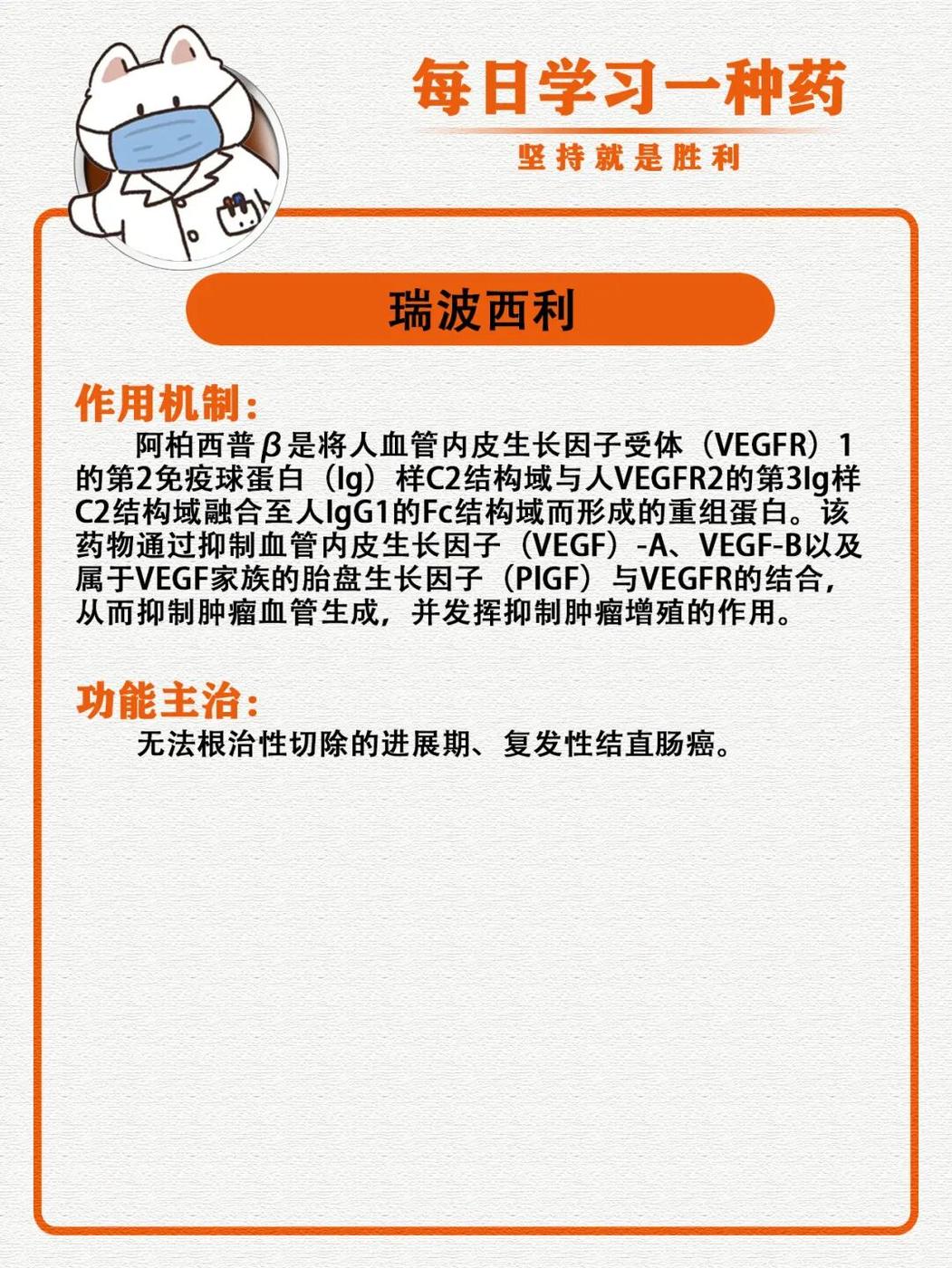
Feature Description Afribelcept Beta is a recombinant protein in which the second immunoglobulin (Ig)-like C2 domain of human vascular endothelial growth factor receptor (VEGFR) 1 and the third Ig-like C2 domain of human VEGFR2 are fused with the Fc domain of human IgG1, and vascular endothelial growth factor (VEGF)-A, By inhibiting the binding of placental growth factor (PlGF) belonging to the VEGF family and VEGFR, it is believed to inhibit angiogenesis in tumors and exert an inhibitory effect on tumor growth.
Section 2 · 02
English translation
Specifications One vial × 4ml.
Section 3 · 03
English translation
Characteristics Colorless ~ pale yellow clear liquid (injection).
Section 4 · 04
English translation
Ingredient Information Ingredients: Amount (mg) per vial: 4 ml. Active ingredient: Afribelceptbeta (genetically modified) 100mg. Additives: Sodium dihydrogen phosphate monohydrate 2.264 mg, disodium hydrogen phosphate heptahydrate 0.964 mg, sodium citrate hydrate 5.882 mg, refined white sugar 800 mg, polysorbate 20 4 mg, pH adjuster 2 components, isotoning agent.
Section 5 · 05
English translation
Indications Unresectable advanced or recurrent colon and rectal cancer.
Section 6 · 06
English translation
Dosage and Administration When used in combination with irinotecan hydrochloride hydrate, levofolinate, and fluorouracil, adults are typically given intravenous infusion once every two weeks as afribelcept beta (genetically modified) at 4 mg/kg (body weight) over 60 minutes. Dose reduction is adjusted as needed depending on the patient's condition.
Section 7 · 07
English translation
Notes 1. High blood pressure may occur, so regularly measure blood pressure before starting and during this medication. Also, since hypertensive cleanses may occur, be sure to pay close attention to blood pressure changes when administering. 2. Nephrotic syndrome and proteinuria may occur, so regularly monitor urine protein before and during the start and duration of this drug. 3. Since neutropenia and febrile neutropenia may occur, regular blood tests should be performed before and during the start and duration of this drug. 4. If surgery is planned, stop administration of this drug before surgery, as it may delay wound healing. Resumption of administration after surgery should be determined according to the patient's condition. 5. Thrombotic microangiopathy may occur, so regular examinations and thorough observation are essential.
Section 8 · 08
English translation
Side Effects 1. Bleeding (31.1%) Gastrointestinal bleeding (6.2%), hematuria (0.7%), postoperative bleeding (frequency unknown), nosebleeds (25.7%), intracranial hemorrhage (frequency unknown), pulmonary hemorrhage (frequency unknown), hemoptysis (0.9%), and some cases have been reported to be fatal. 2. Gastrointestinal perforation (frequency unknown) There have also been reports of fatal cases. 3. Fistula (0.9%) 4. Hypertension (37.4%), hypertensive crisis (frequency unknown) 5. Nephrotic syndrome (0.3%), proteinuria (11.9%) 6. Neutropenia (42.6%), Febrile neutropenia (3.7%) 7. Severe diarrhea (17.1% note) 8、Infusion reaction(15.8%) Bronchospasm, dyspnea, angioedema, and anaphylaxis may cause infusion reactions. 9. Delayed wound healing (frequency unknown) Complications such as wound separation and suture failure (both of unknown frequency) may cause delayed wound healing. If complications due to delayed wound healing are observed, discontinue administration of this drug until the wound heals and provide appropriate treatment. 10. Reversible Postleukoencephalopathy Syndrome (frequency unknown) Reversible postleukoencephalopathy syndrome (symptoms: seizures, headaches, changes in mental status, visual disturbances, etc.) may occur. 11. Arterial thromboembolism (2.1%) Transient ischemic attack (0.3%), stroke (0.1%), angina pectoris (0.3%), intracardiac thrombosis (0.1%), myocardial infarction (0.1%), and arterial embolism (0.1%) may occur. 12. Venous thromboembolism (7.6%) Deep vein thrombosis (2.1%) and pulmonary embolism (3.6%) may also occur. 13. Thrombotic microvascular disease (0.4%) If anemia with cleaved red blood cells, thrombocytopenia, renal dysfunction, etc., discontinue administration of this drug and take appropriate measures. 14. Arterial dissection (frequency unknown) Artisanal dissection, including aortic dissection, may occur. 15. Other side effects (1) Blood: thrombocytopenia, leukopenia. (2) Nervous system disorders: headaches. (3) Respiratory: Voice disorders, oral and pharyngeal headaches, rhinorrhea. (4) Gastrointestinal: upper abdominal pain, loss of appetite, diarrhea, stomatitis, abdominal pain, aphthous stomatitis, perianal pain, toothache, ischemic colitis, hemorrhoids. (5) Skin: Redness and sensory deficiency syndrome on the palms and soles, hyperpigmentation. (6) Urinary system: increased serum creatinine. (7) Liver: increased AST and ALT. (8) Heart: heart failure, reduced ejection rate. (9) Infections: upper respiratory tract infection, pneumonia, catheter placement site infection, dental infection, urinary tract infection, nasopharyngitis. (10) Others: weakness, dehydration, weight loss, fatigue, jawbone necrosis.
Section 9 · 09
English translation
taboo 1. Patients with a history of severe hypersensitivity to any component of this drug 2. Pregnant women or women who may be pregnant
Section 10 · 10
English translation
Warning 1. This drug should only be administered in cases where it is deemed appropriate to be administered under the care of a physician with sufficient knowledge and experience in cancer chemotherapy at a medical facility capable of handling emergencies. Also, before starting treatment, fully explain the efficacy and risks to the patient or their family, and only administer after obtaining consent. 2. Administration of this drug may cause severe gastrointestinal bleeding, with reported cases leading to death. Observe thoroughly, and if abnormalities are observed, discontinue administration and take appropriate measures. If severe bleeding is observed, do not readminister this drug. 3. Administration of this drug may cause gastrointestinal perforation, with reported cases leading to death. Observe thoroughly, and if abnormalities are observed, discontinue administration and take appropriate measures. Do not reapply this drug if gastrointestinal perforation is observed.

Source images

2 images

Need help sourcing Japanese medicines or OEM production?

💬